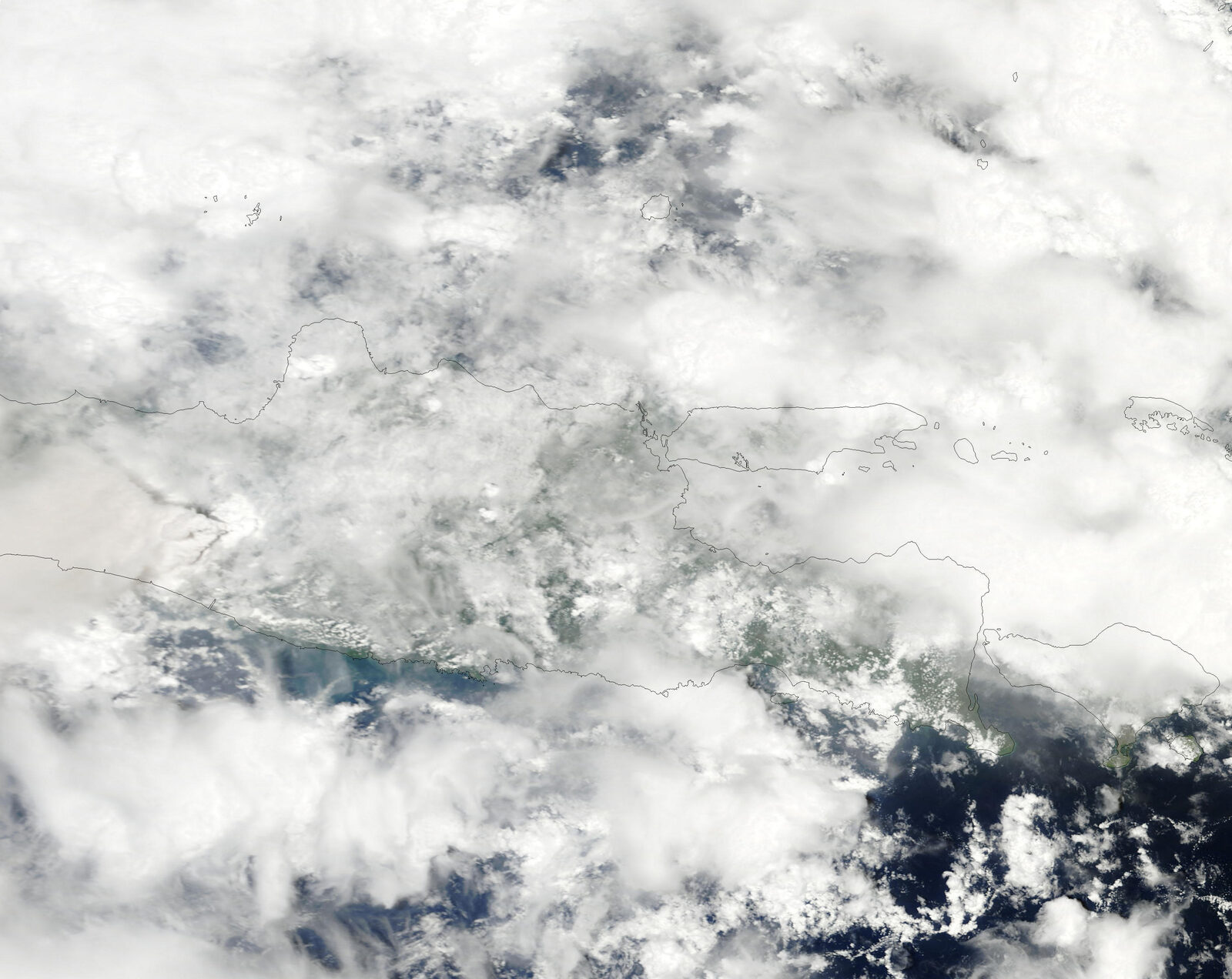
Climate change is breaking an ocean link scientists use to read the future
A deeper climate record suggests the Indo-Pacific relationship is becoming unusually unstable just as NOAA forecasts a powerful El Niño.
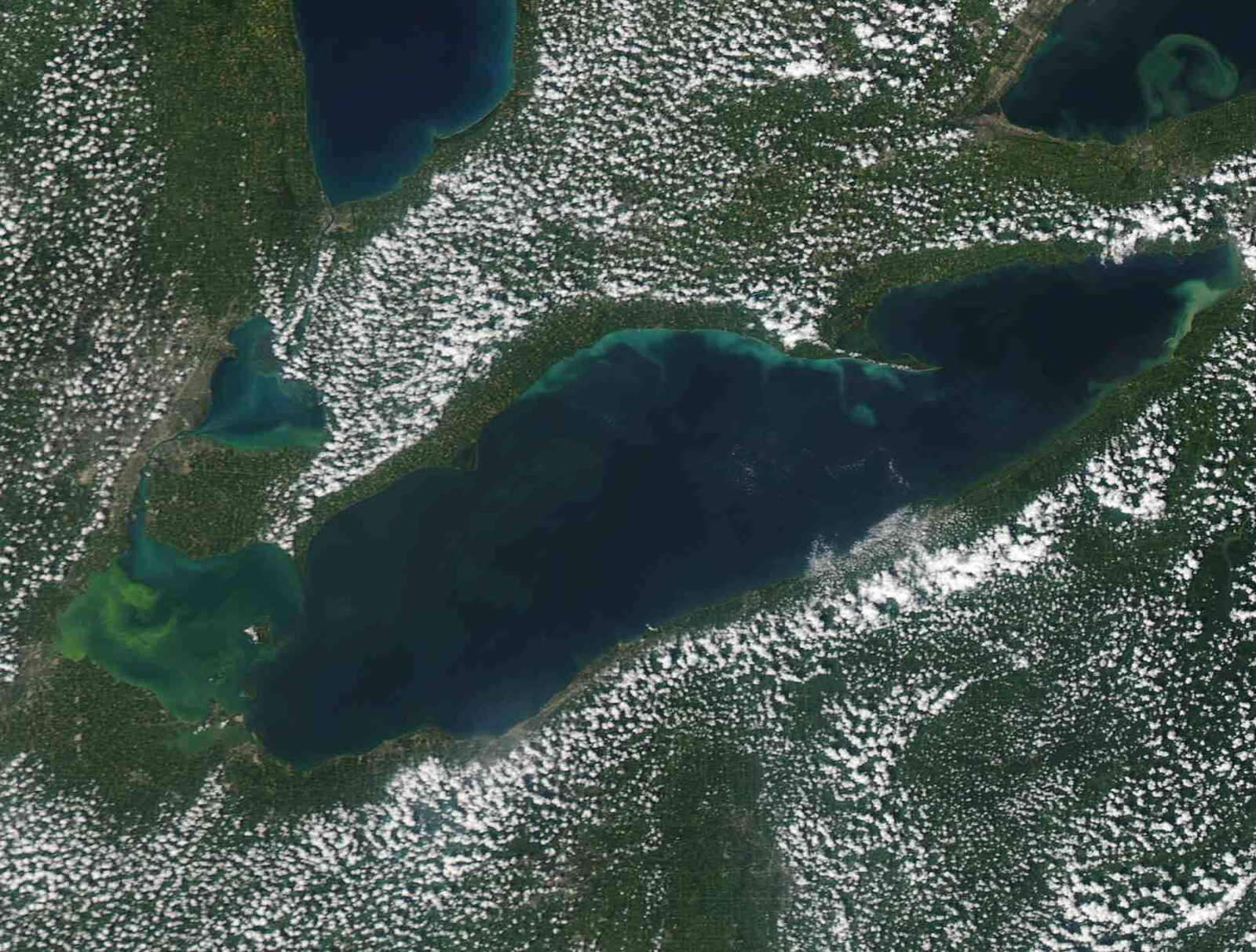
Red tide turns fisheries management into an ecosystem stress test
NOAA’s new red-tide review puts ecosystem models, fishermen’s knowledge and adaptive policy at the centre of a more resilient Gulf fishery.
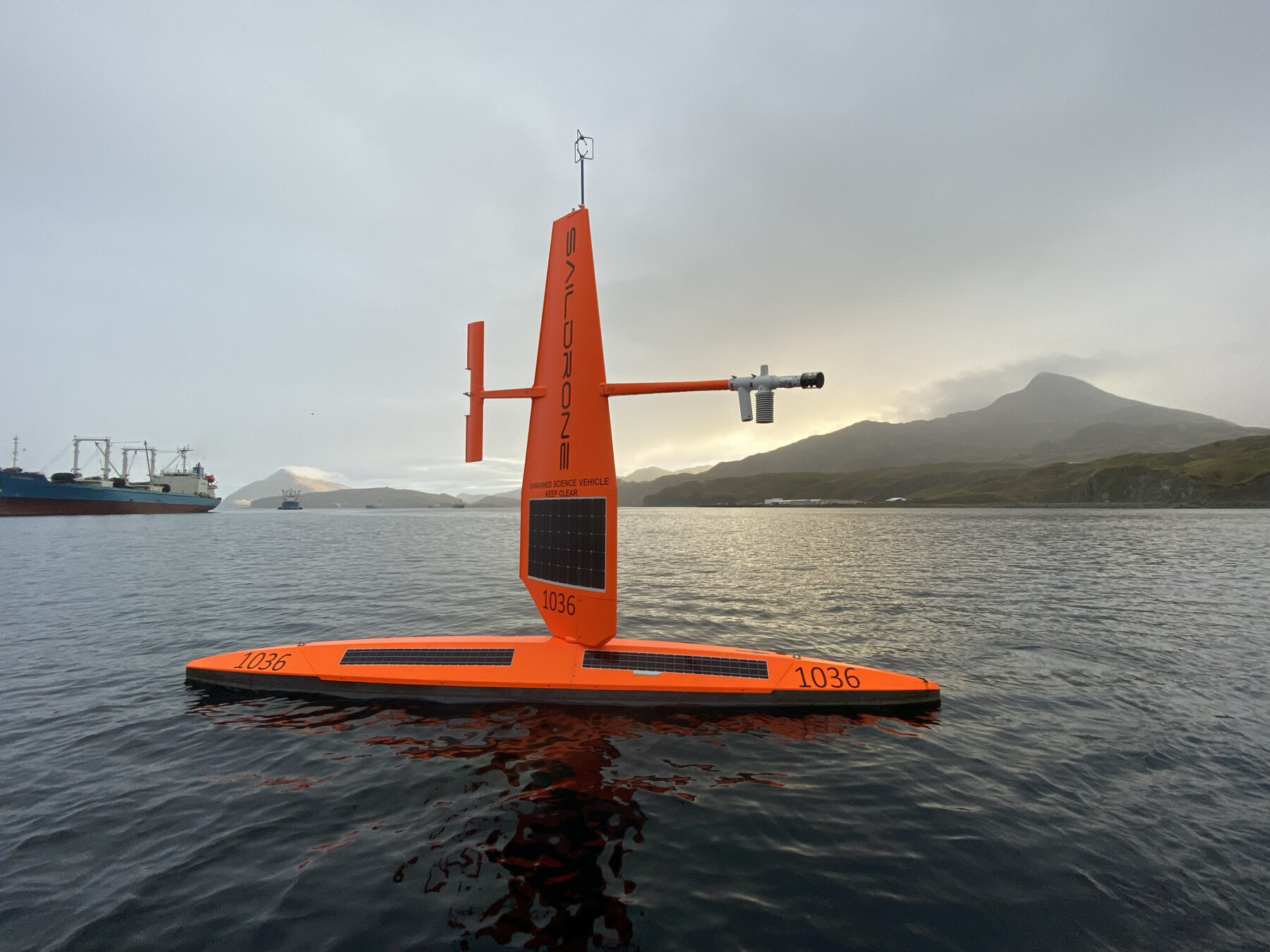
The ocean’s next survey fleet is uncrewed — and built for the gaps ships leave behind
NOAA’s newest uncrewed missions show how autonomous platforms can extend ocean observation from whale feeding grounds to remote marine protected areas.
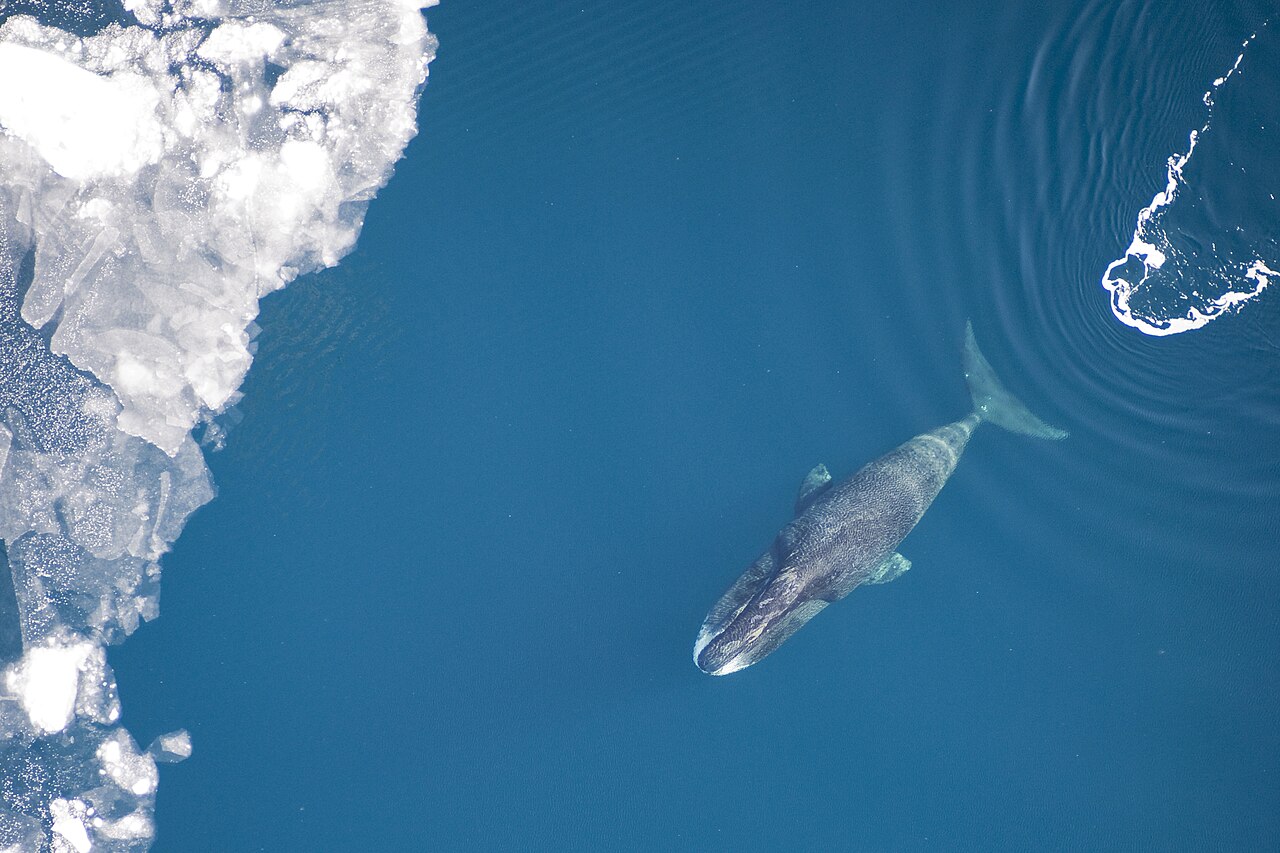
NOAA’s safer whale tag promises a longer view of ocean giants
A smaller satellite tag and WHOI’s listening robots show how better whale data can make conservation decisions safer, faster and more precise.
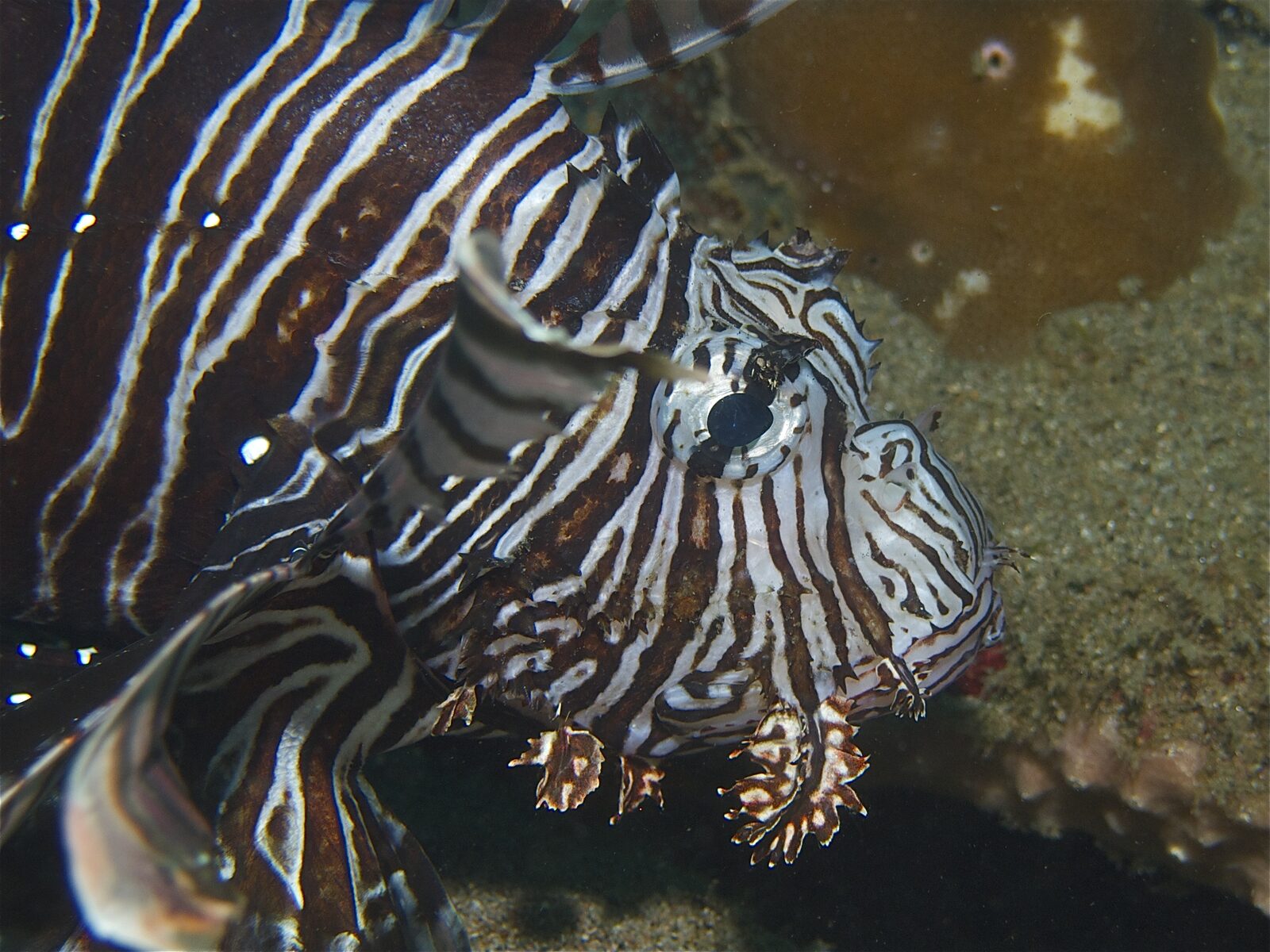
Europe’s lionfish problem is becoming a test of rapid ocean response
Croatia’s lionfish removals show why early detection, marine protected areas and coordinated response matter before an invasive predator becomes the next permanent cost of ocean decline.
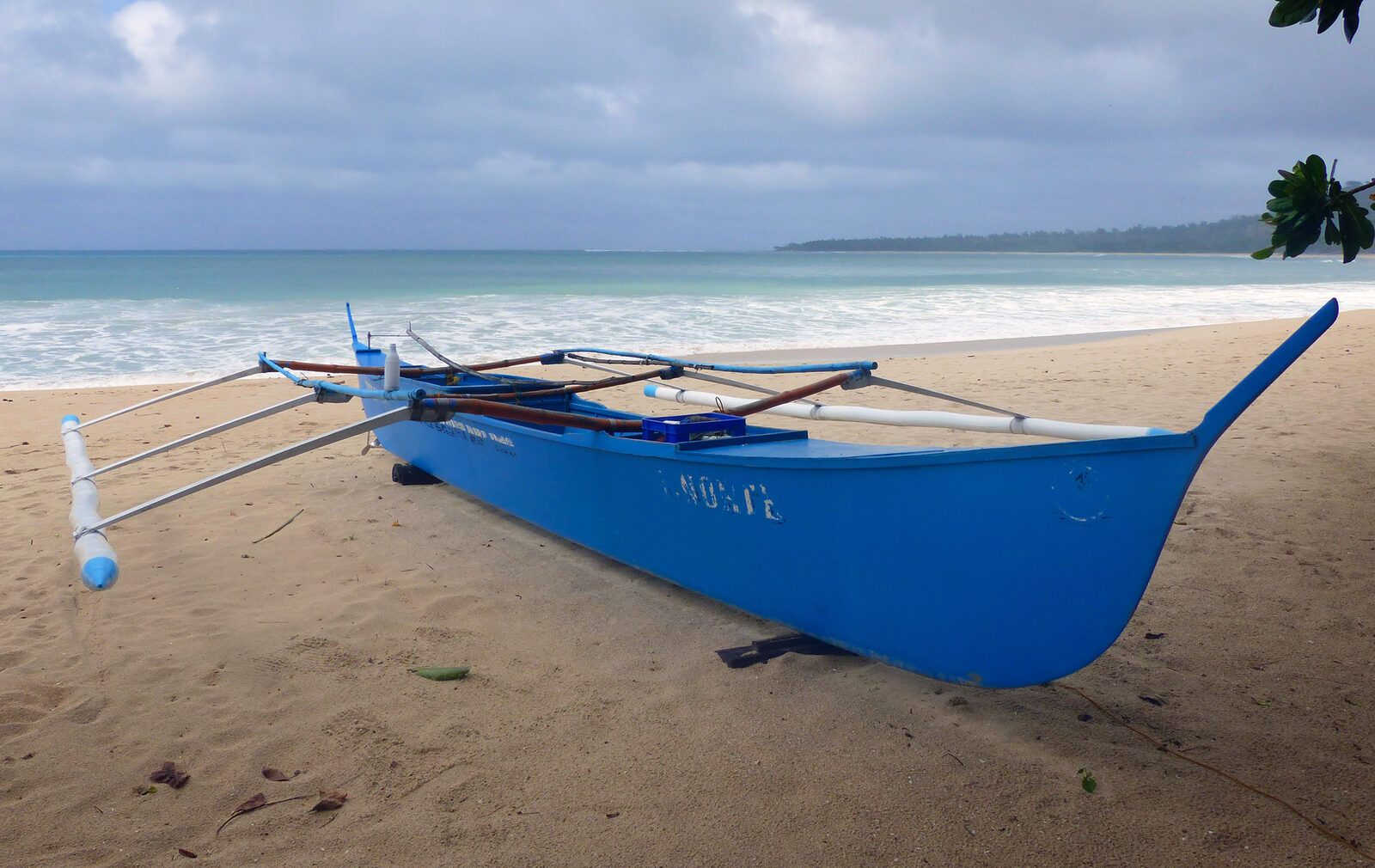
El Niño tests Asia’s blue-jobs pitch as ocean heat spreads the risk
A stronger El Niño is putting Asia’s coastal livelihoods in sharper focus as the World Bank defines which ocean jobs can be both productive and sustainable.
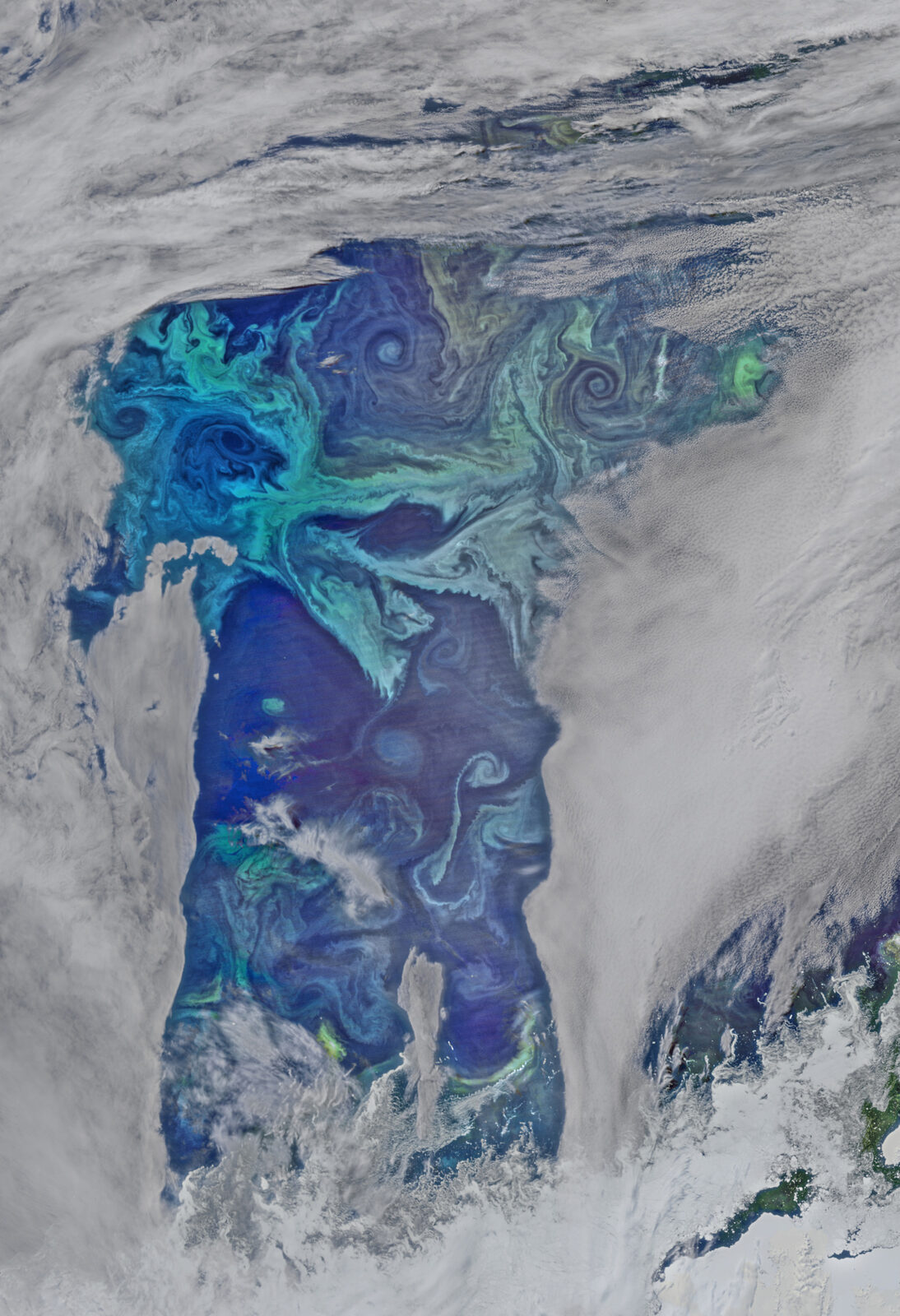
The ocean’s carbon sink is under pressure — and the data is still too thin
New WHOI and UNESCO-IOC assessments put a price on uncertainty: the ocean remains a major climate ally, but its carbon-storage capacity is harder to measure just as warming raises the stakes.
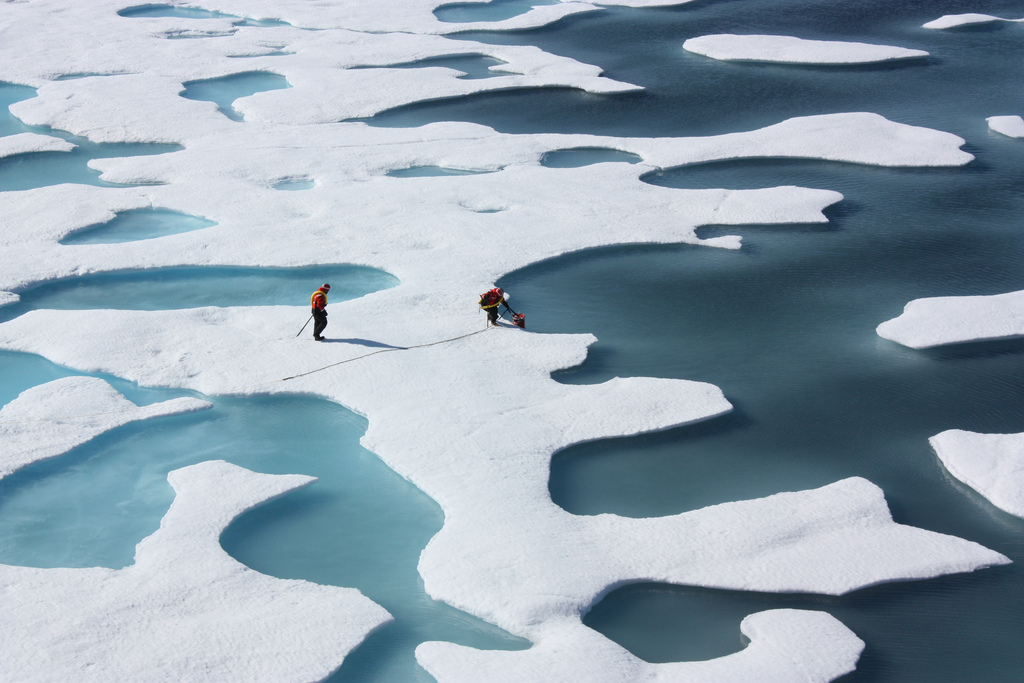
Arctic sea-ice melt is rewriting the cloud playbook
A field study finds the melting Arctic edge is generating cloud-forming particles, exposing a missing feedback in climate models.
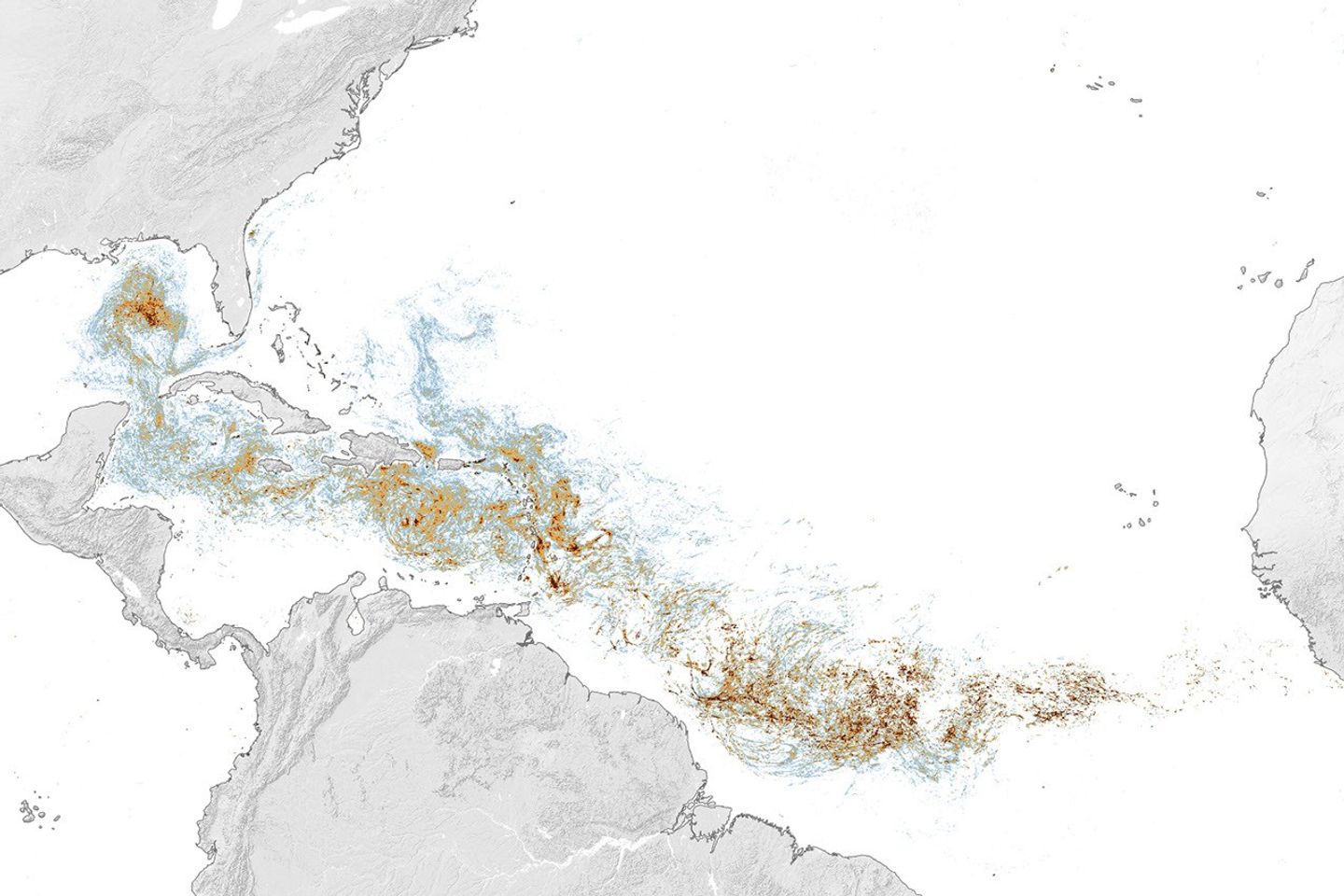
AI maps a global algae boom — and a new operating reality for coastal communities
A global study finds floating algae blooms expanding across the ocean, turning satellite intelligence into a coastal resilience tool.
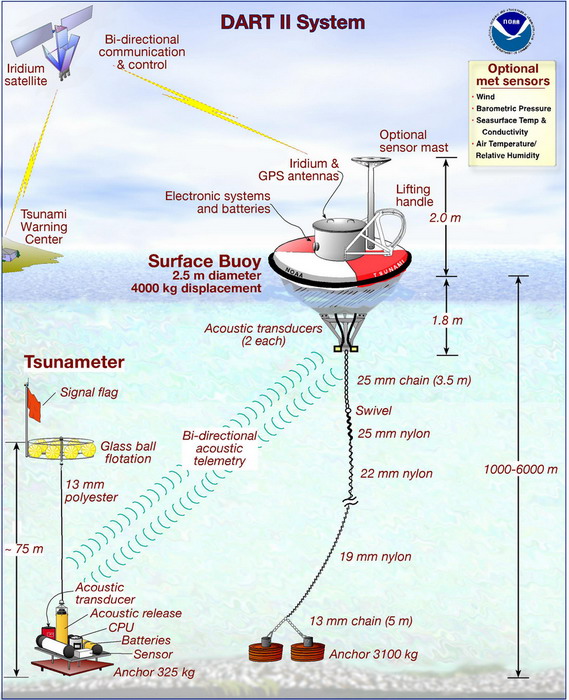
UNESCO-IOC expands Tsunami Ready training across the Indian Ocean — as NOAA brings climate forecasting into fisheries risk decisions
A July UNESCO-IOC training in Bali focuses on making tsunami readiness actionable at community level, while NOAA researchers integrate near-term and decadal ocean forecasts into fisheries management tools.
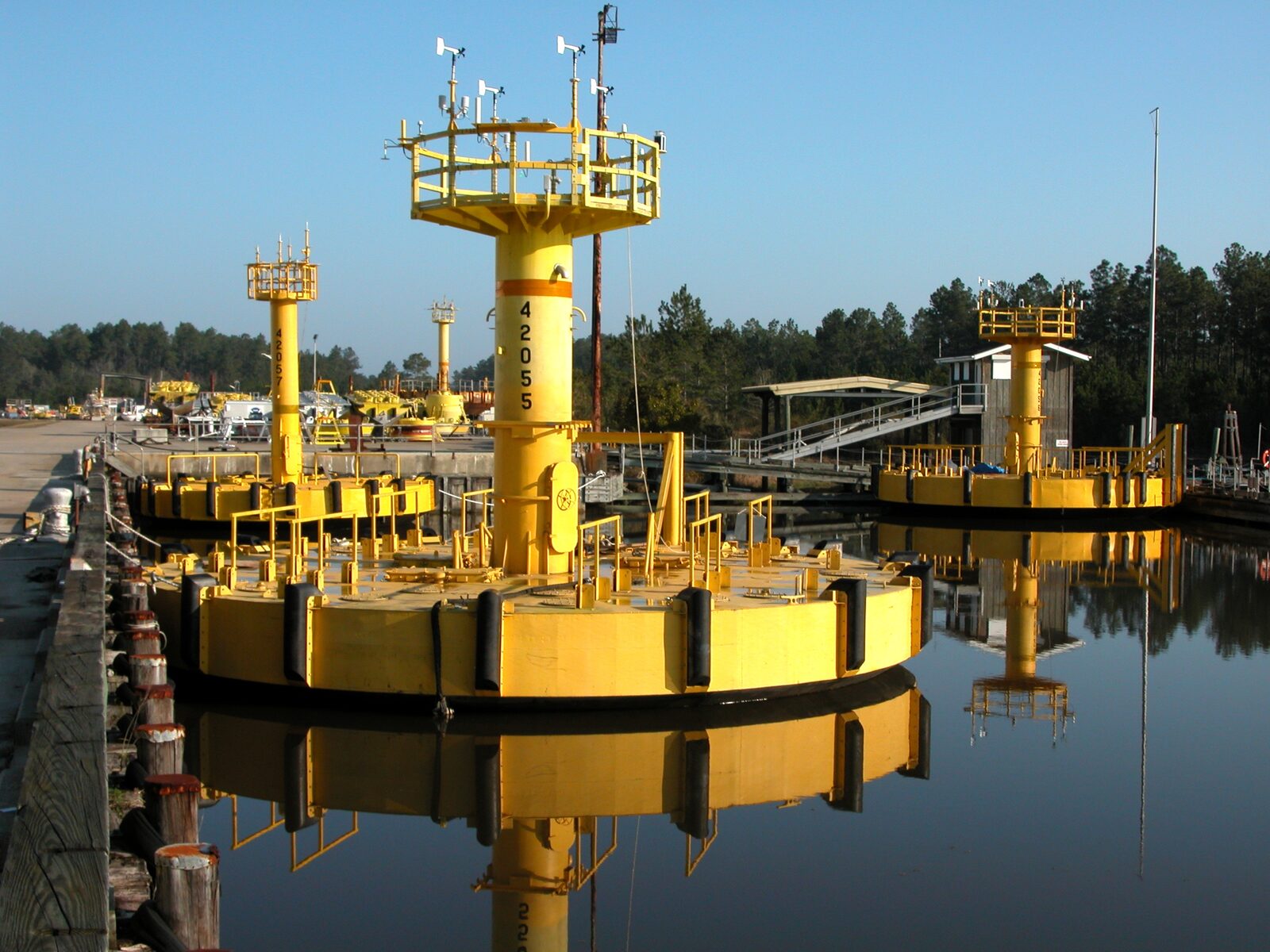
NOAA flags the seasonal fingerprints behind Northeast Pacific marine heatwaves — as Seabed 2030 bets on autonomous mapping to close data gaps
A NOAA team says marine heatwaves can be ‘hotter but fade quickly’ or persist for years depending on season and subsurface heat, while Seabed 2030’s new partnership highlights a push to scale ocean observation.
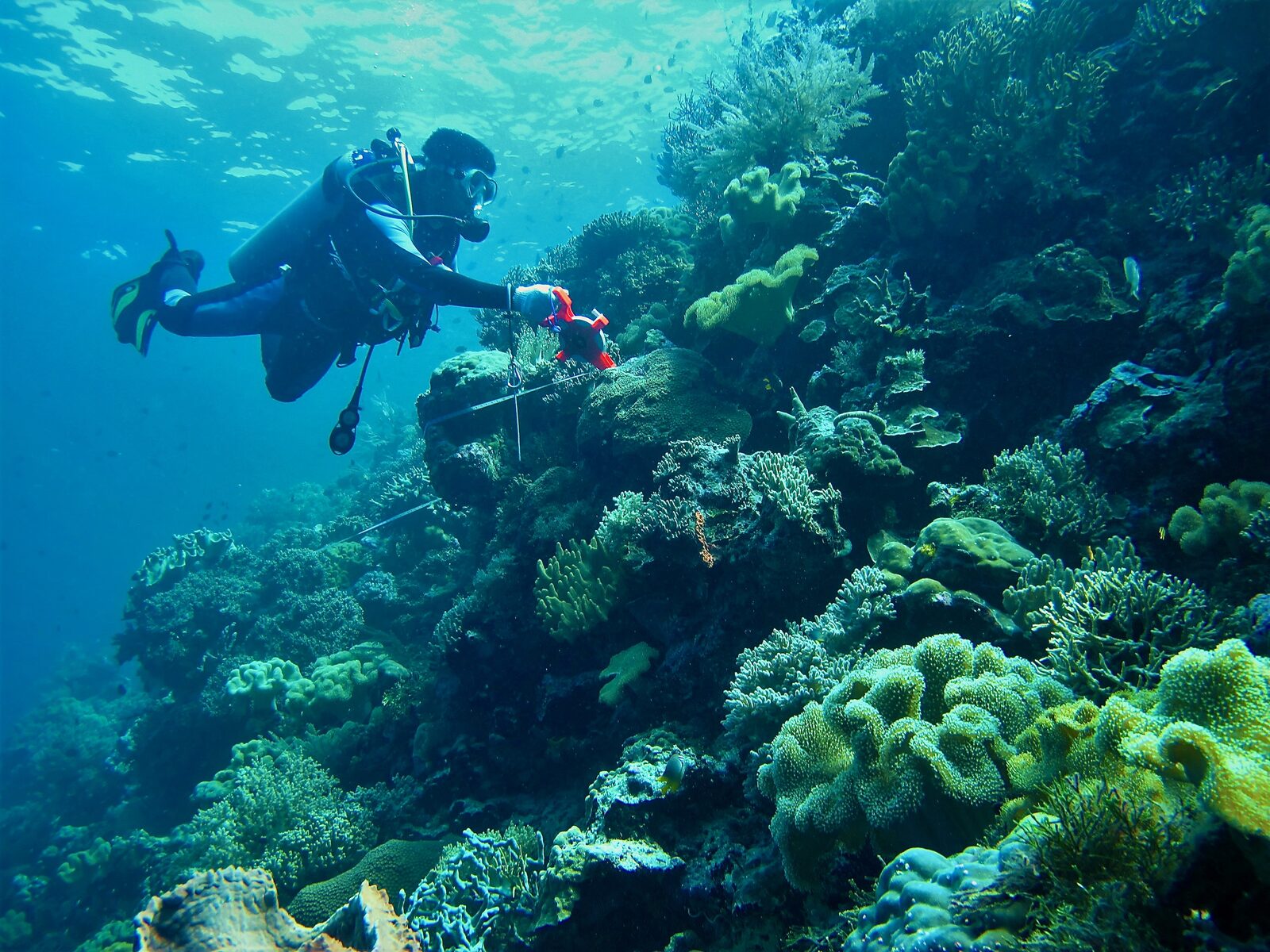
Indonesia taps OceanX for marine-park baselines — and IUCN warns climate is now the dominant threat to nature heritage
Jakarta’s new OceanX collaboration aims to turn marine conservation into a data-driven operating system — at a moment IUCN says climate risk has become the prevailing threat to nature heritage.
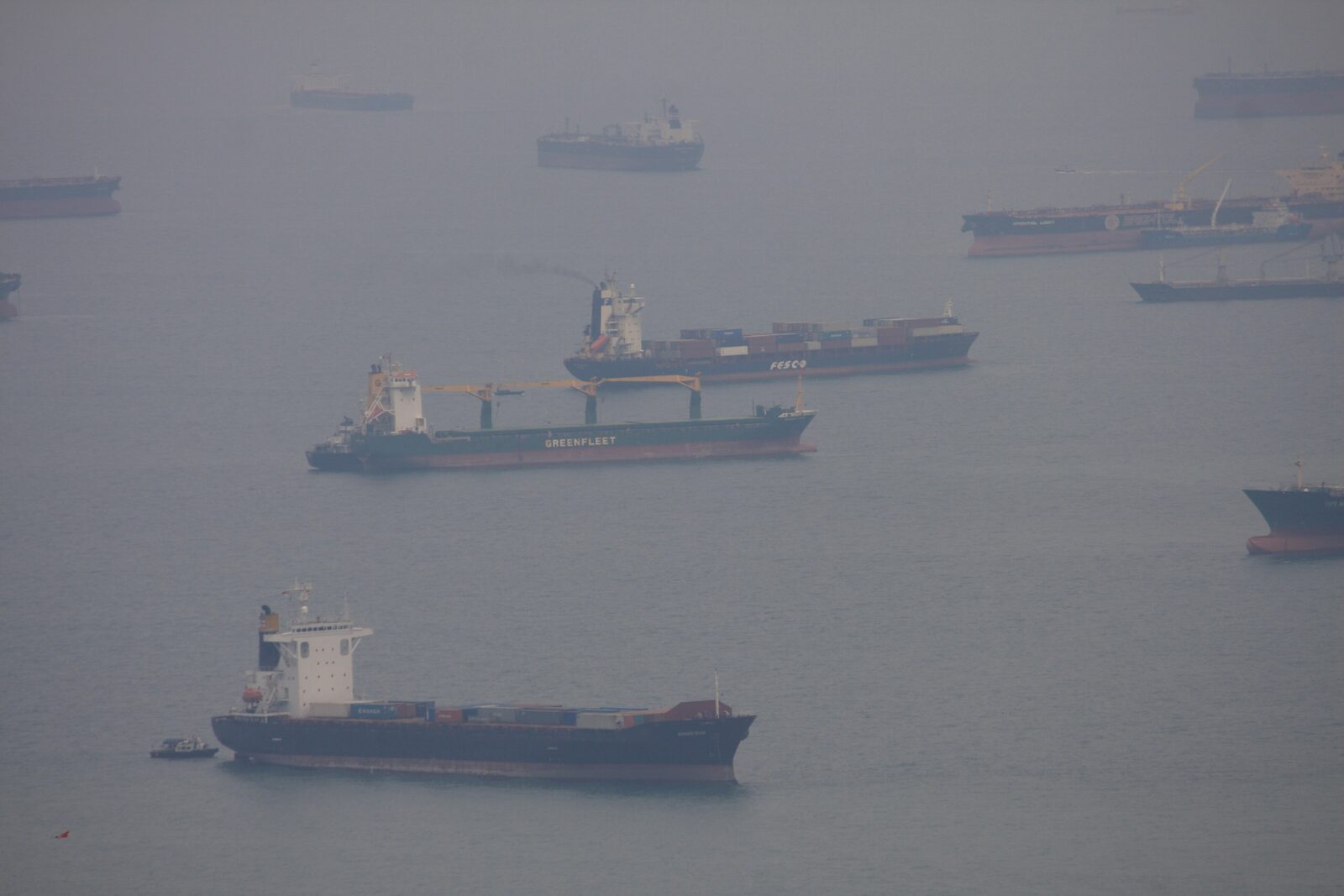
WHOI warns stranded ships could spark a global ‘bioinvasion super-spreader’ event
A new study flags biofouling on long-idled vessels as a quiet but high-impact pathway for invasive species as shipping lanes reopen.
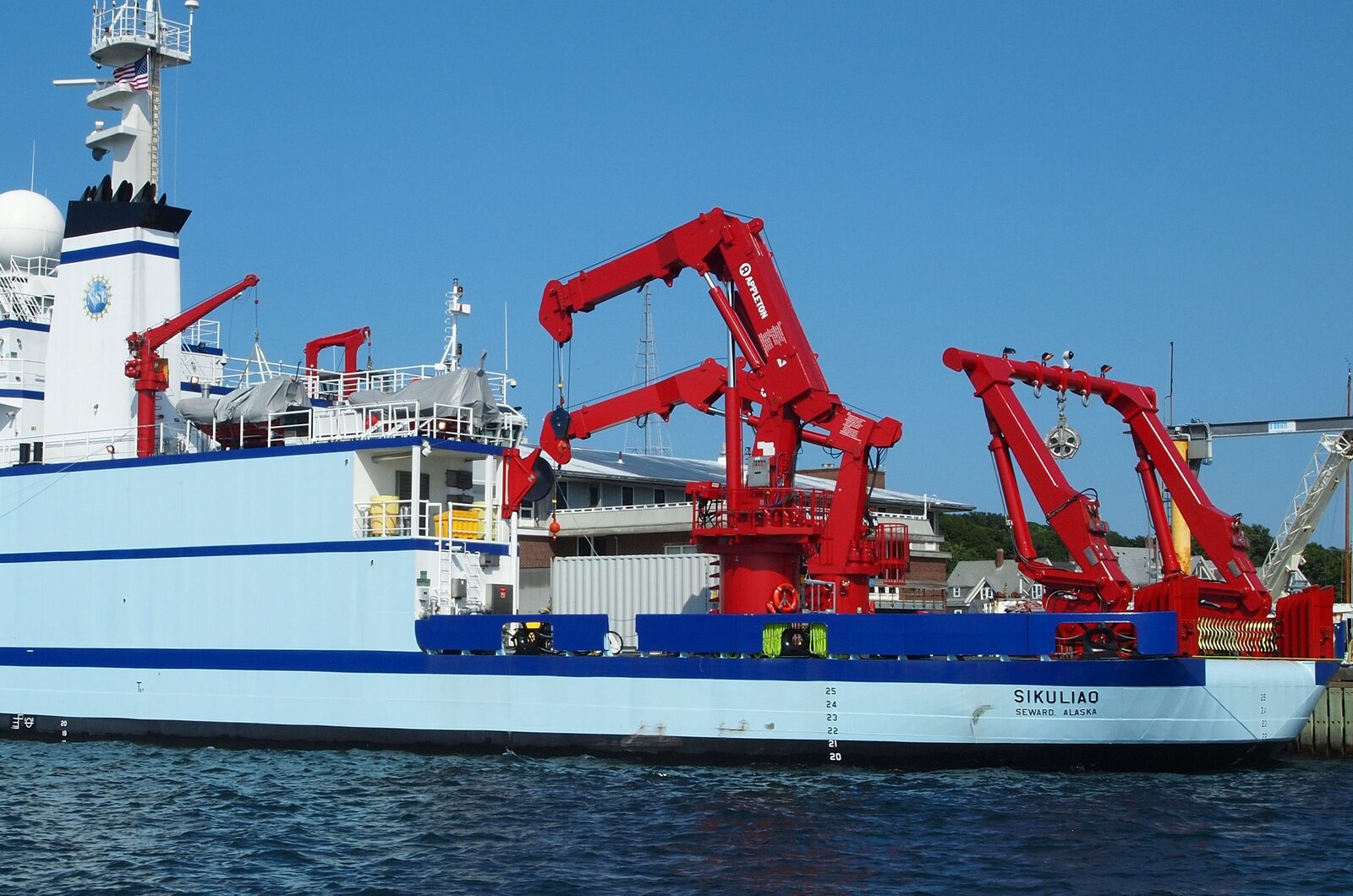
NOAA’s West Coast ocean-acidification survey sets sail as scientists track summer extremes
A 30-day cruise aboard the R/V Sikuliaq expands NOAA’s long-running acidification monitoring as Scripps researchers warn that oxygen loss is edging aquatic systems toward an ‘unsafe space’.
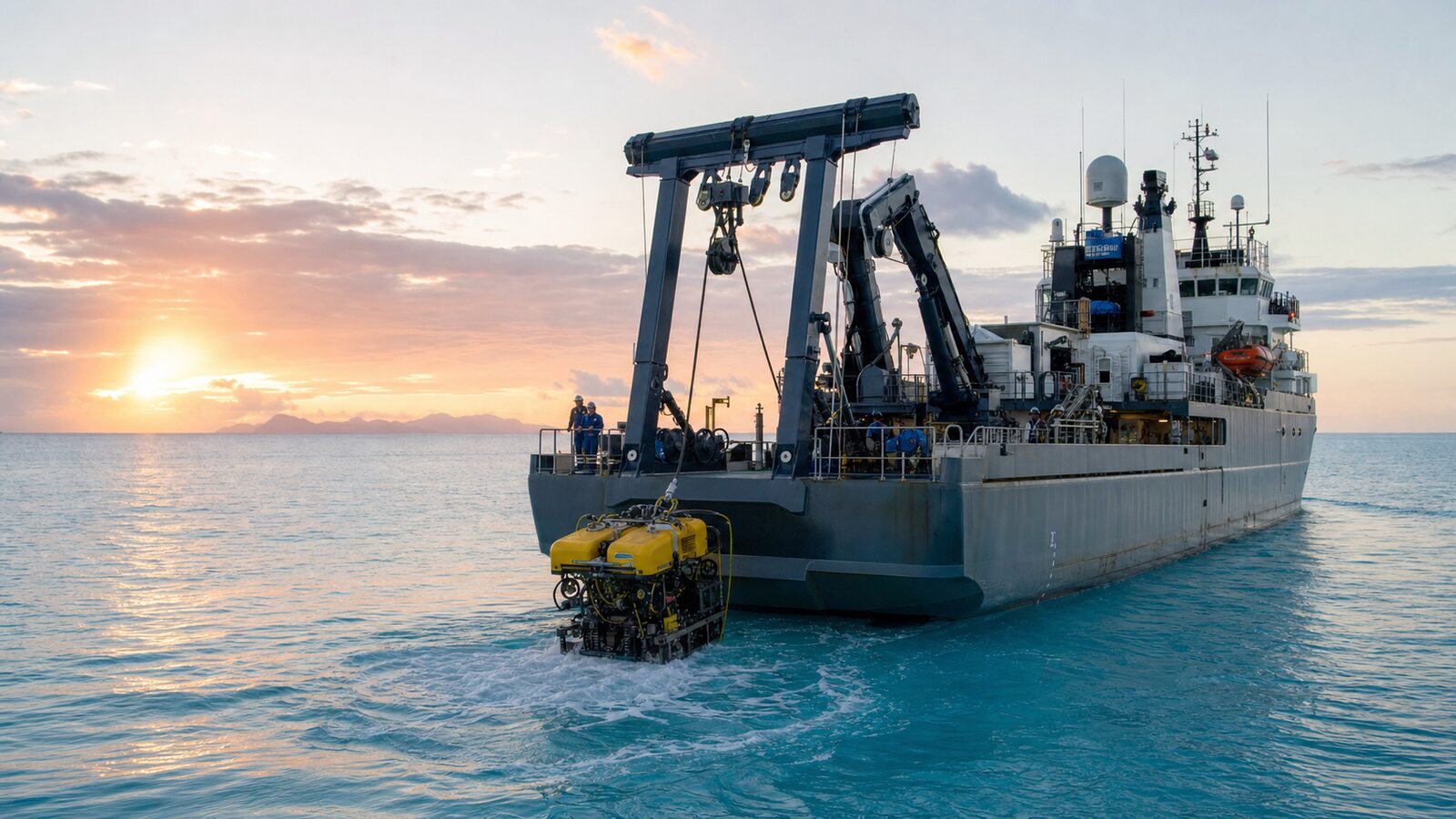
NOAA’s Okeanos Explorer heads to the Cook Islands — putting deep-sea baseline data into the public domain
Illustration: NOAA-style Okeanos Explorer ROV deployment (AI-rendered editorial visual).
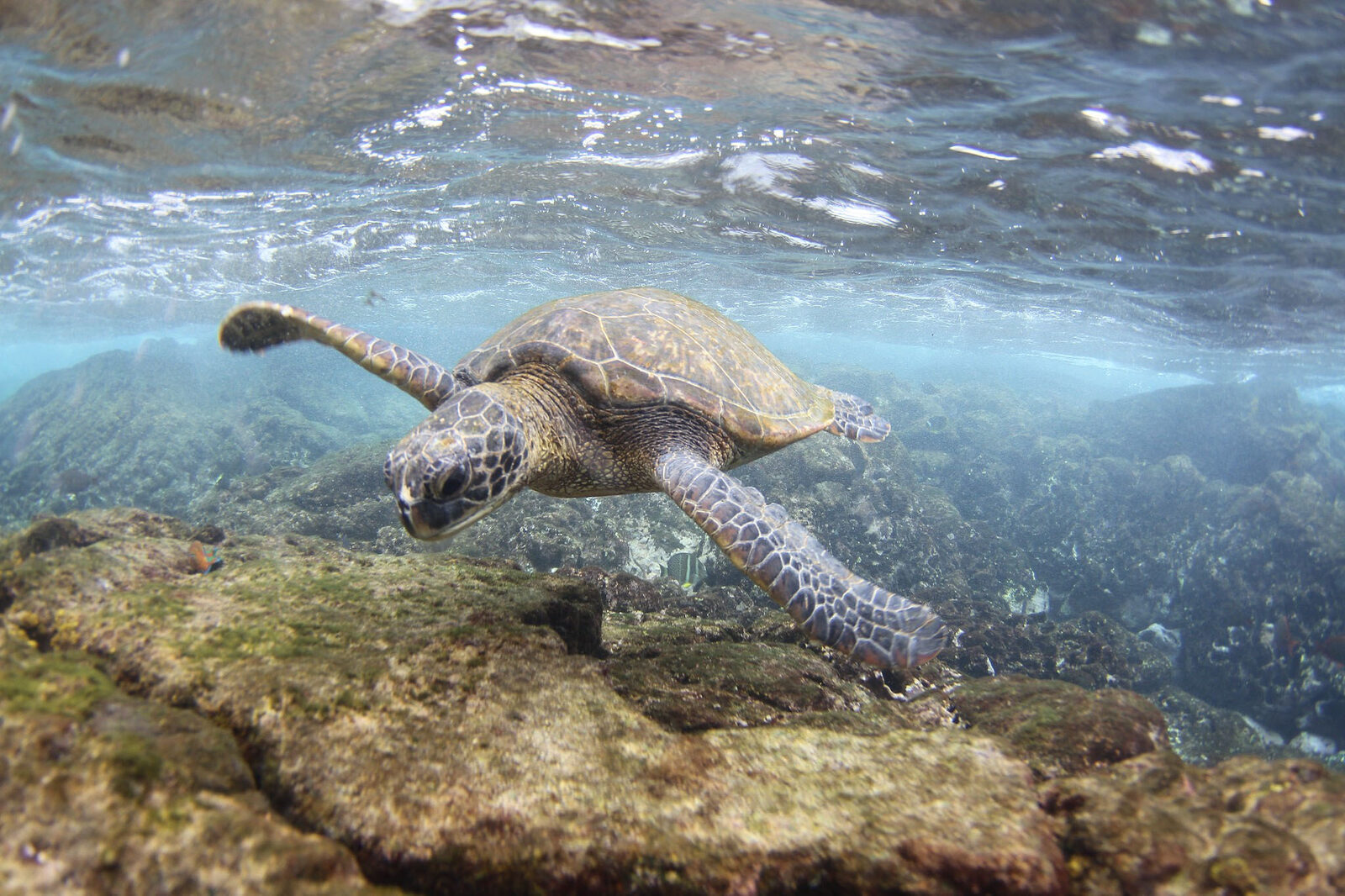
U.S. Rule Change Narrows Habitat-Based Protections Under the Endangered Species Act
Interior and Commerce finalize a rule rescinding the ESA’s regulatory definition of “harm,” raising new questions for habitat-based enforcement for species from salmon to sea turtles.
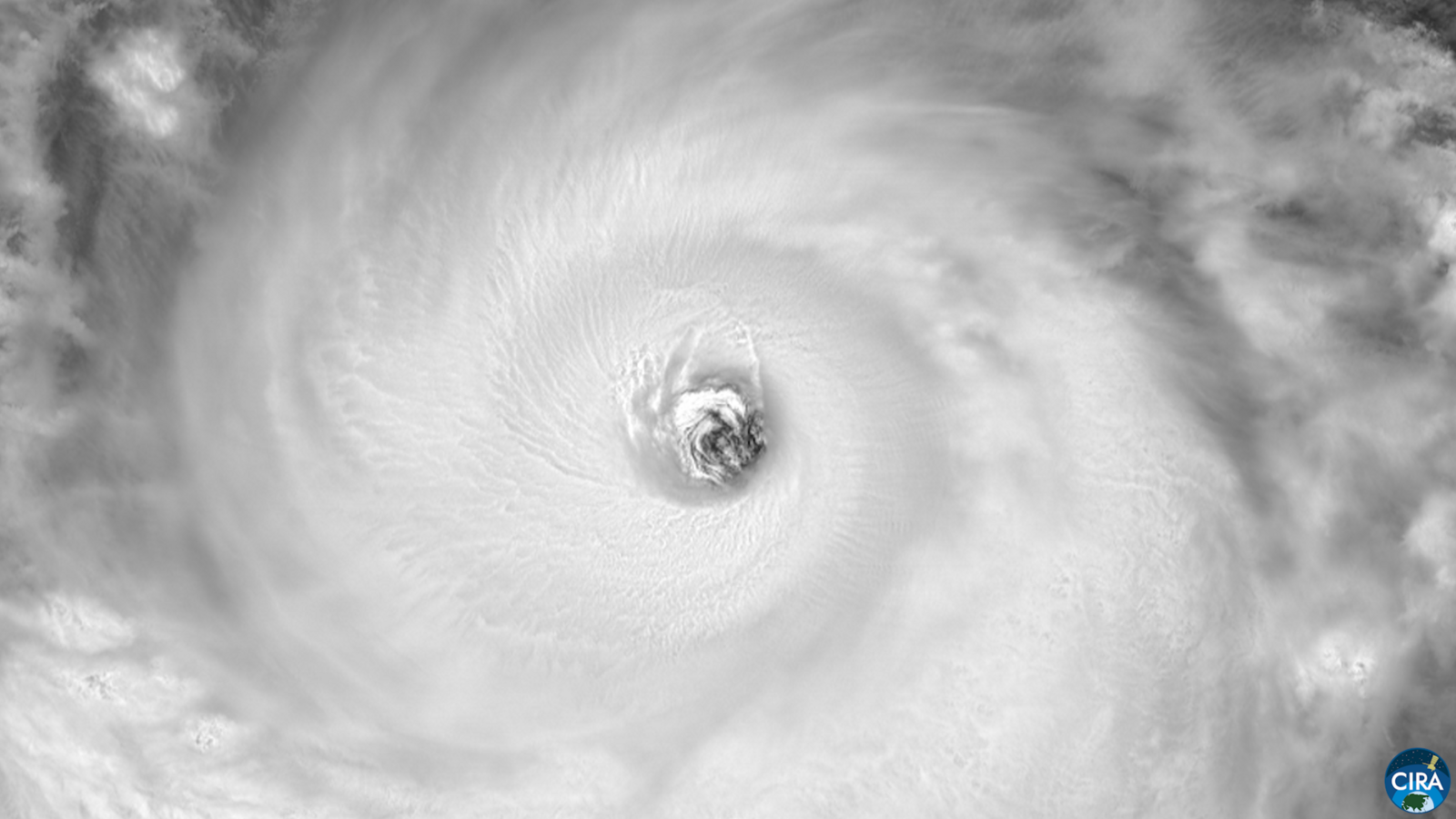
NOAA’s 2026 hurricane call is “below normal” — but the cost curve still points up
Image: CSU/CIRA & JMA/JAXA (Japan Meteorological Agency), CC BY 4.0, via Wikimedia Commons.
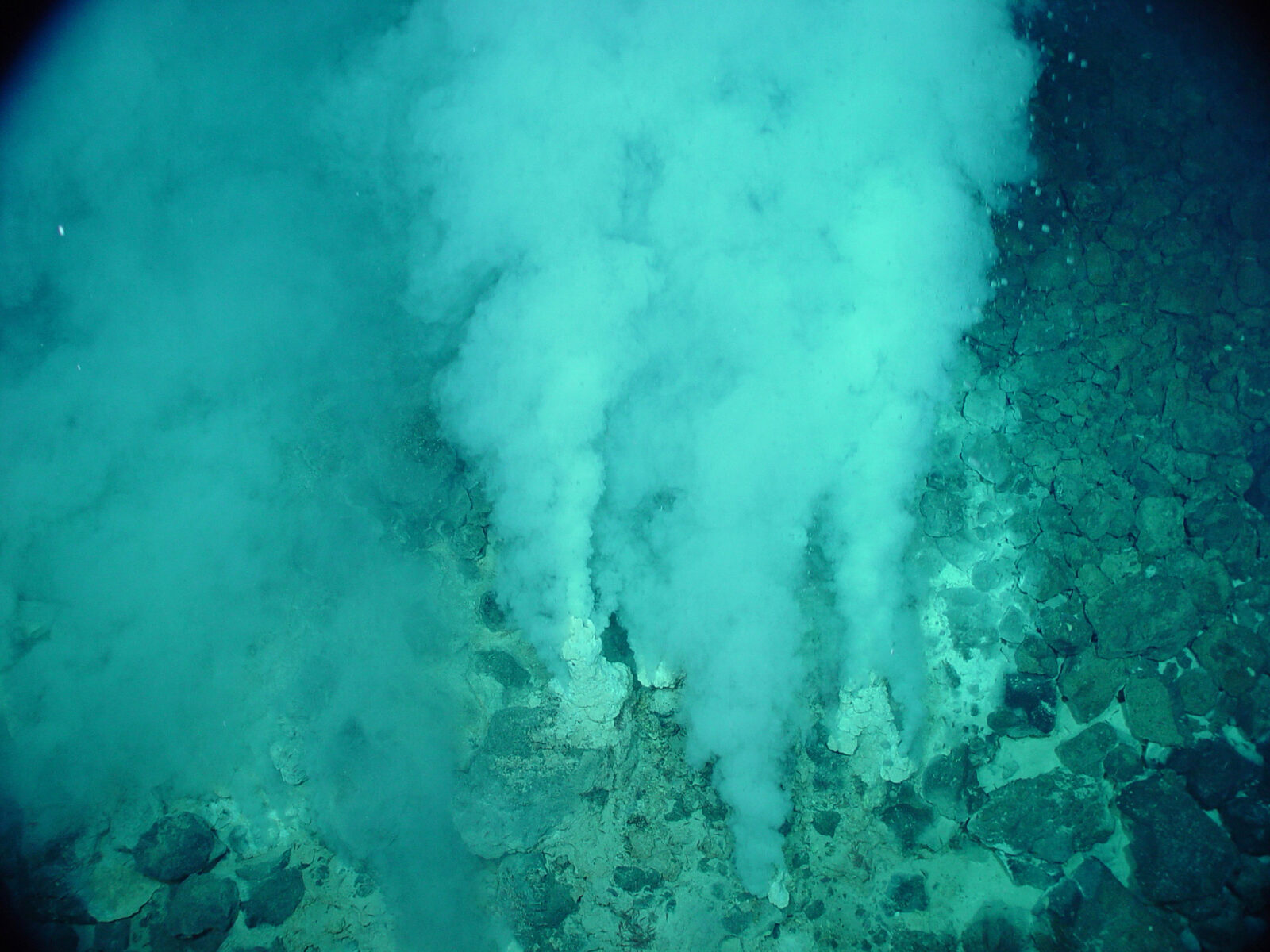
Microplastics Hit the Deep Sea’s ‘Oasis’ — and Investors Are Losing the Excuse of Ignorance
Microplastics have been documented in hydrothermal-vent fauna more than 2,000 meters deep, adding urgency to measurement, monitoring, and capital allocation.
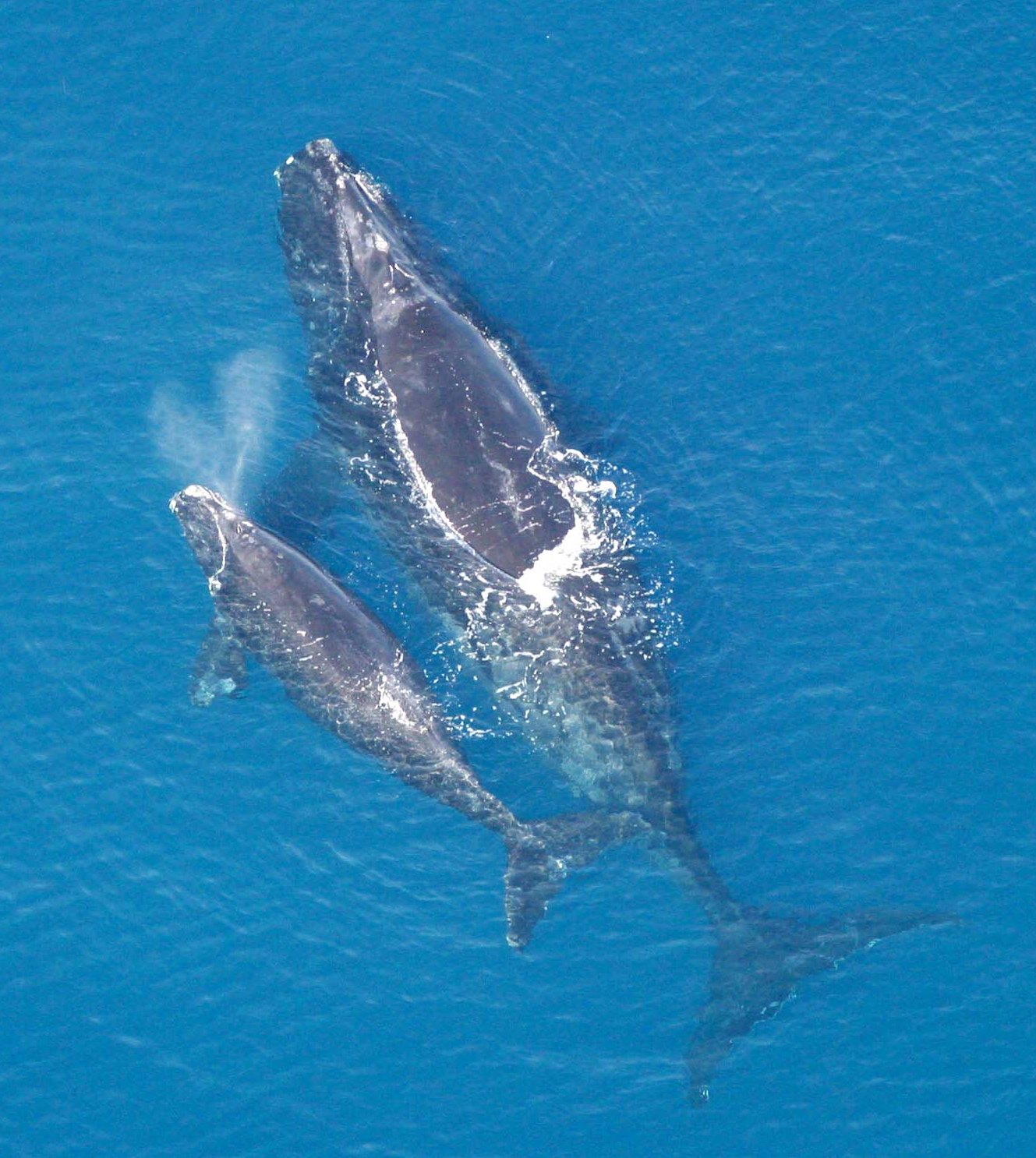
IOC-UNESCO sets its next biennium agenda: early warning, ocean data, and the high seas treaty
Photo: U.S. Federal Government (NOAA), public domain, via Wikimedia Commons.
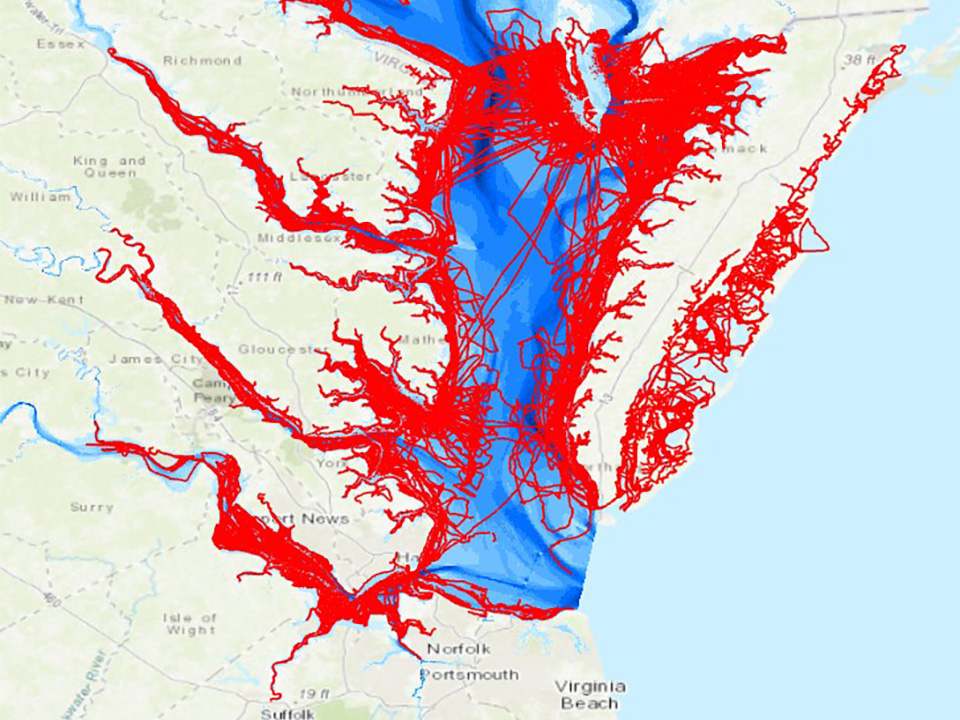
Trash to Terrain: NOAA-backed crab-trap cleanups turn into low-cost seafloor maps
A NOAA-backed project pairs derelict crab-trap removal with bathymetry collection — a data dividend for coastal navigation and models.
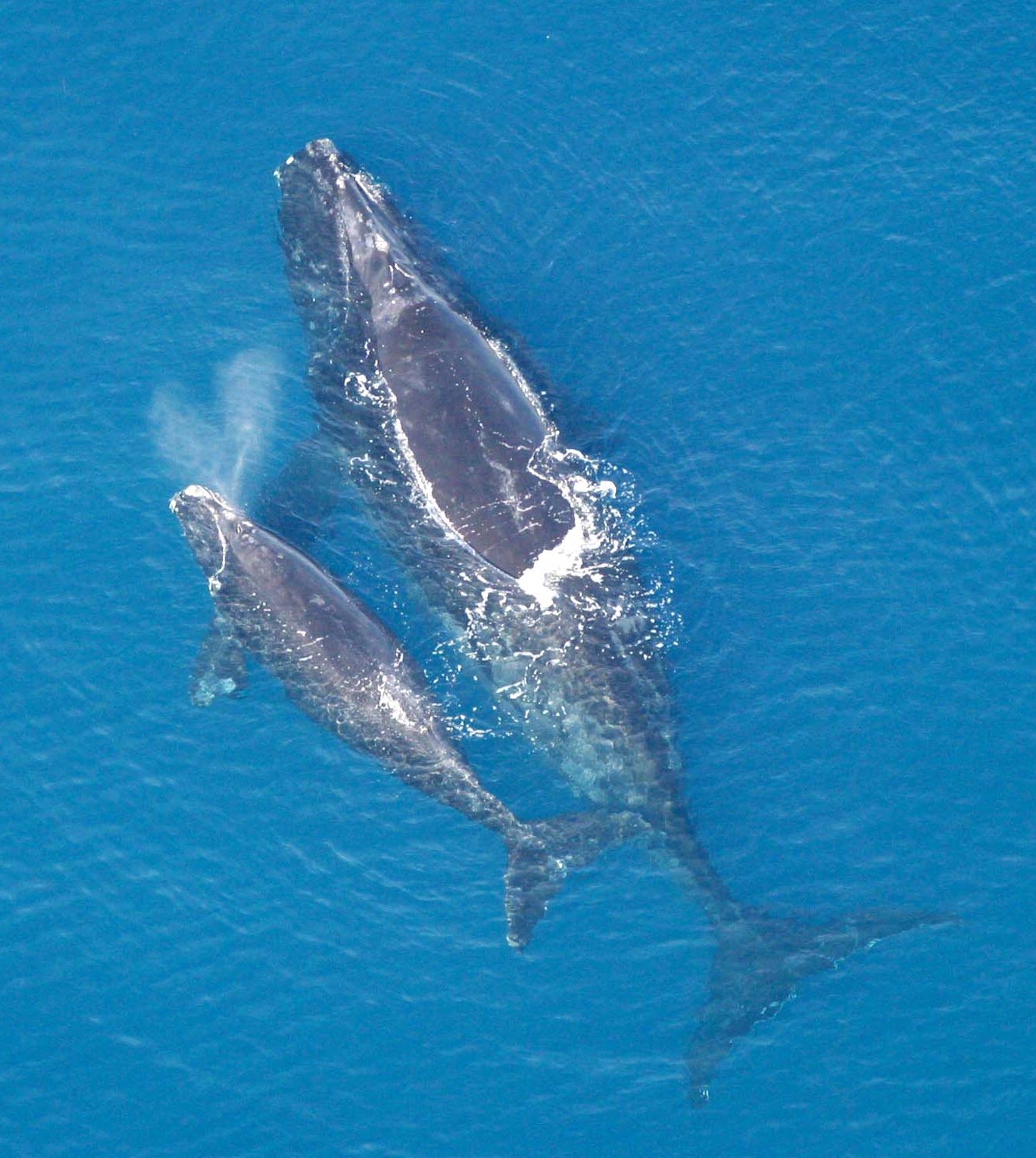
Right whale safety is turning into a data-and-gear problem — not a rescue story
Atlantic North Atlantic right whale mother and calf. Photo: U.S. Federal Government (NOAA), public domain, via Wikimedia Commons.
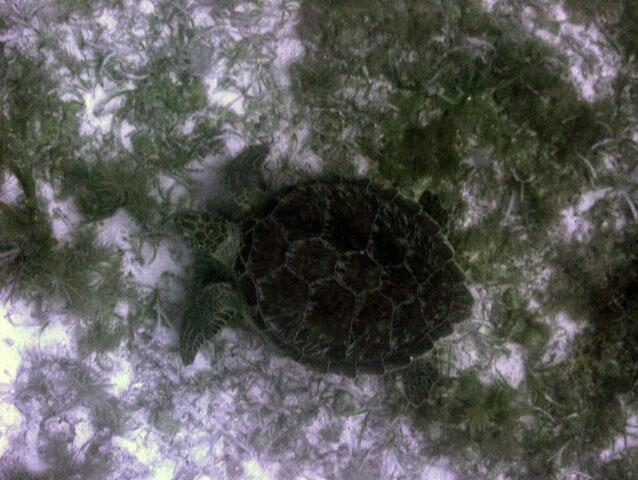
In Cornwall, Seagrass Restoration Gets a £1.8 Million Test Case
Mor Nature, a new partnership in Falmouth Bay, is scaling seagrass planting and community stewardship—an investable model for coastal resilience.
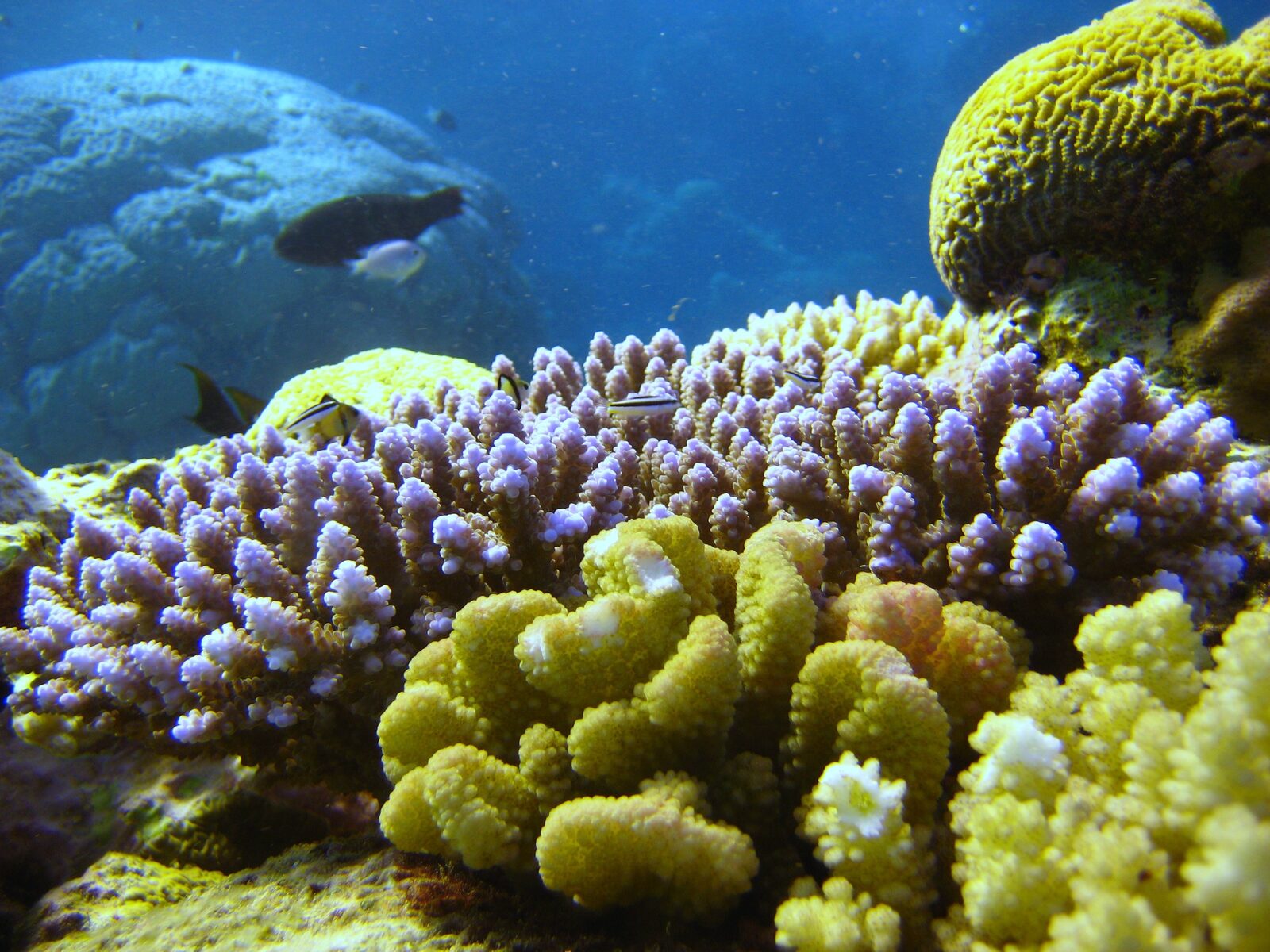
A New Coral Refugia Map Puts 165,000km² of Reefs on the Clock
Researchers say 165,922km² of potentially climate-resilient reefs have been identified. Only about 28% of priority areas are currently protected.
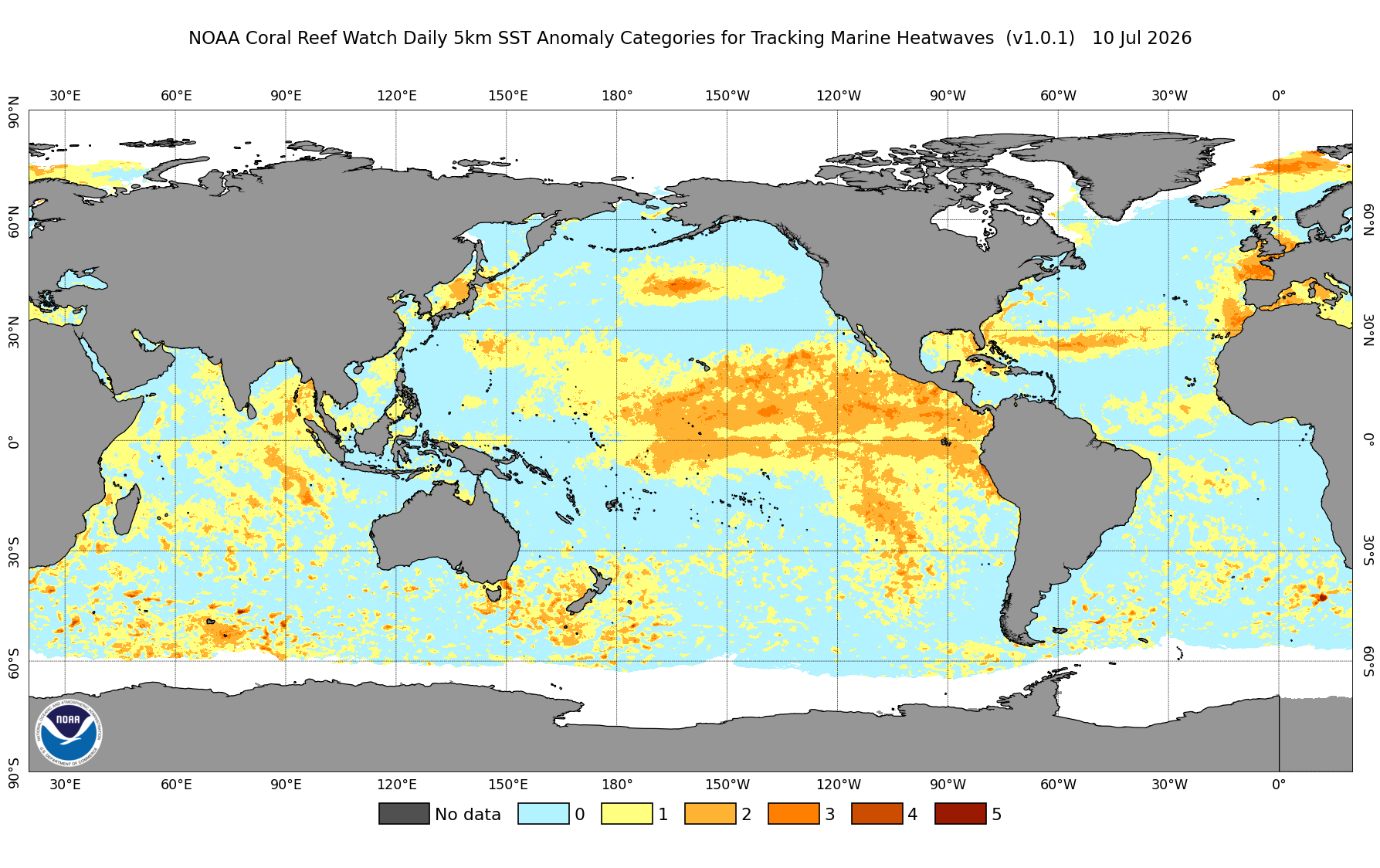
Marine heatwaves flare in the North Pacific and around the Philippines, raising near-term risks for fisheries and reefs | OceanVines
New bulletins from Mercator Ocean International and NOAA show marine heatwaves intensifying in several basins, with implications for coastal economies and conservation.
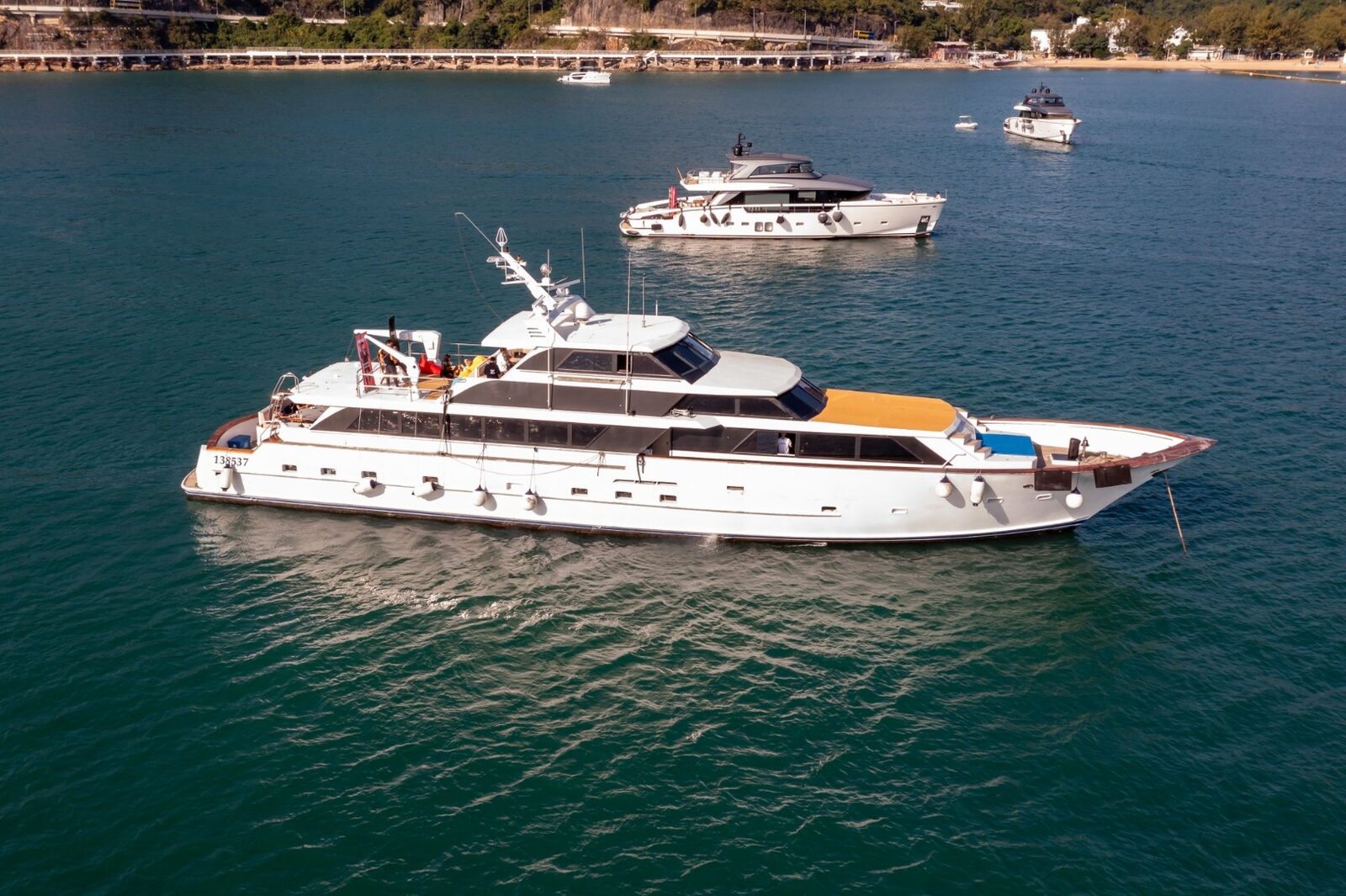
Ocean acidification is crossing “safe living space” for calcifiers — and monitoring is becoming the hedge
OceanVines photo (Sea Tiger aerial). Used as fallback due to difficulty verifying third-party image licensing via automated fetch.
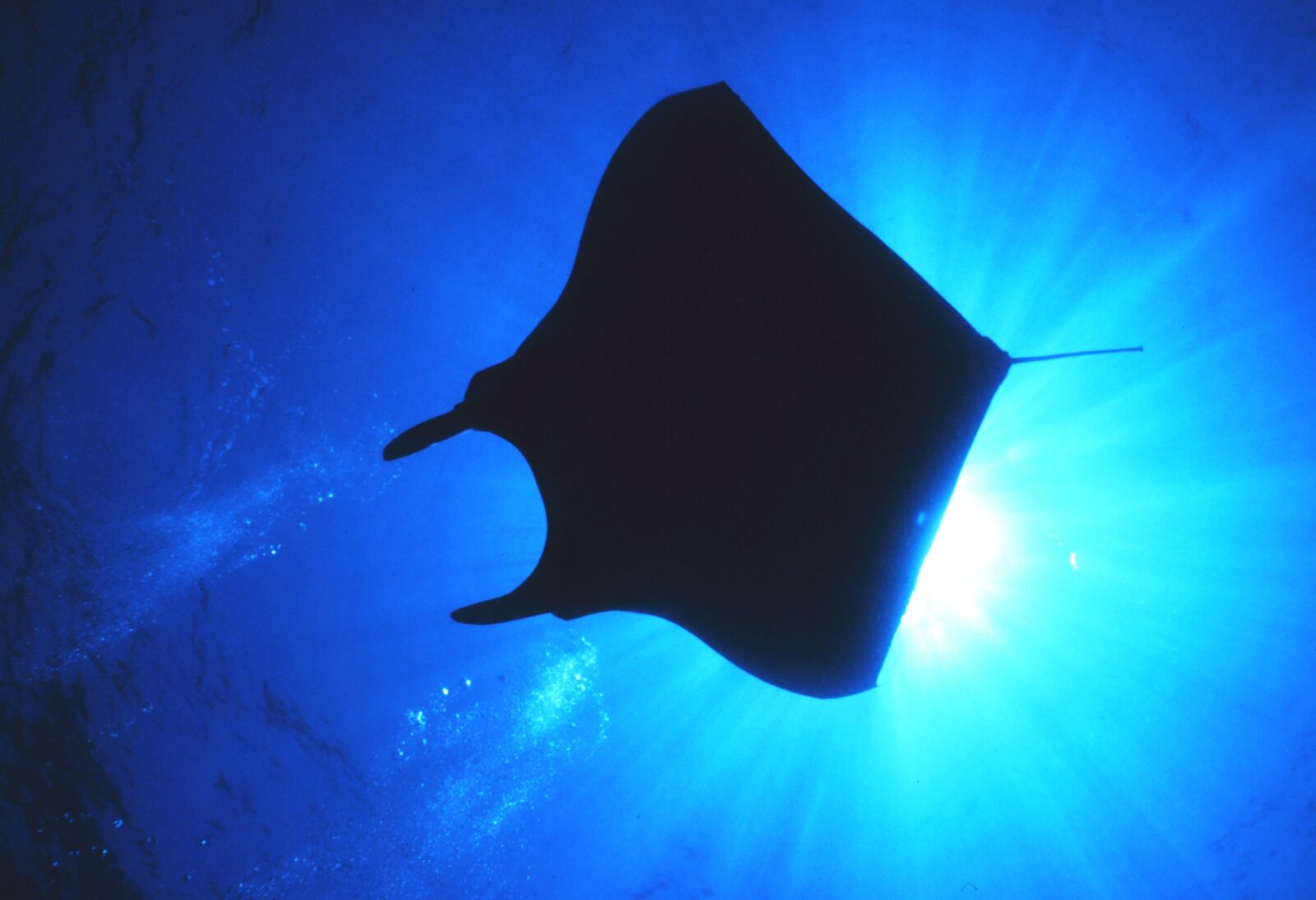
Sharks and Rays Get New National Protections After Our Ocean
Madagascar and Zanzibar move to protect dozens of shark and ray species — testing whether global trade rules can translate into domestic law.
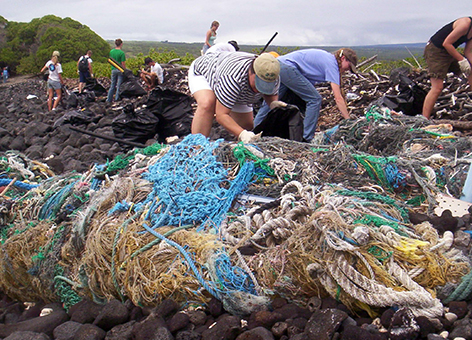
The Ocean Economy Can’t Afford Plastic Leakage
World Bank and NOAA figures quantify the price of plastic leakage — and the practical work needed to stop it upstream.
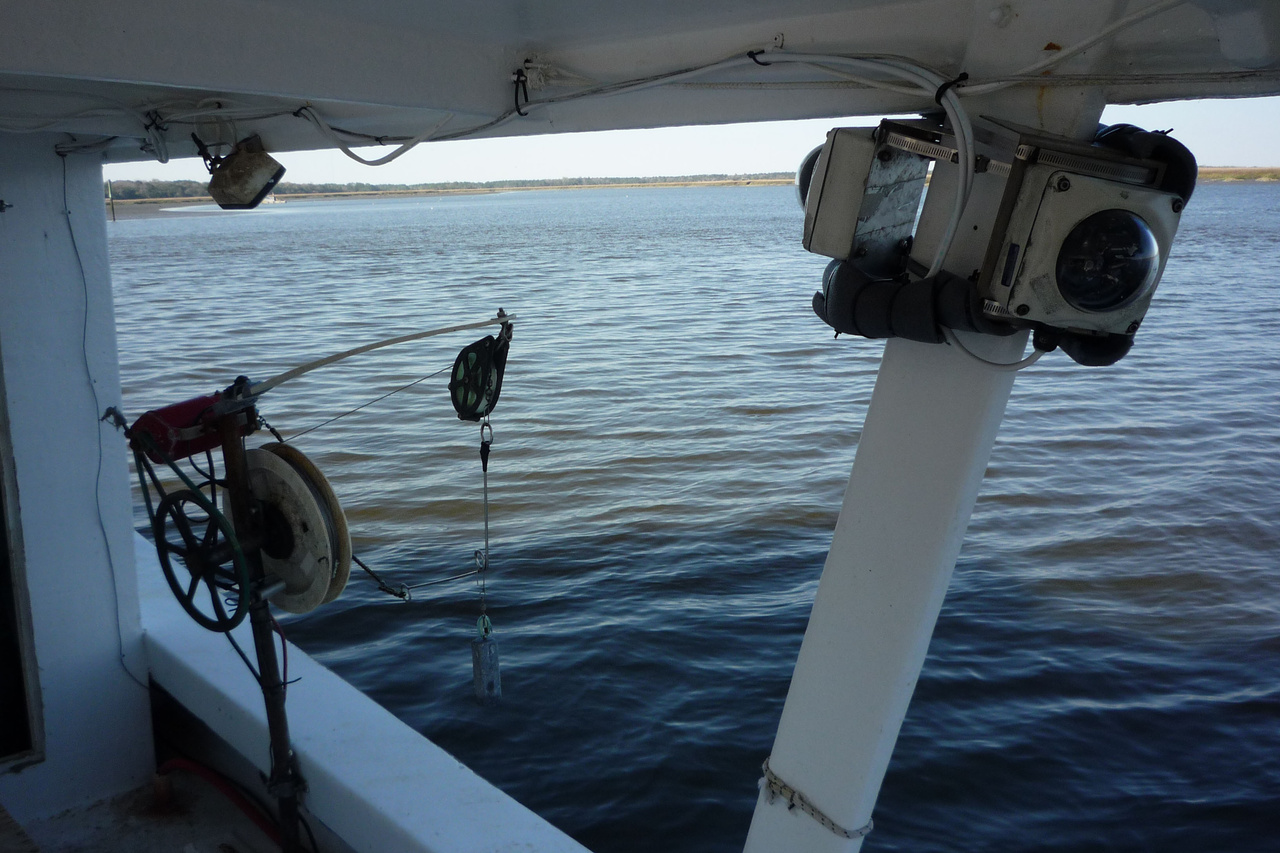
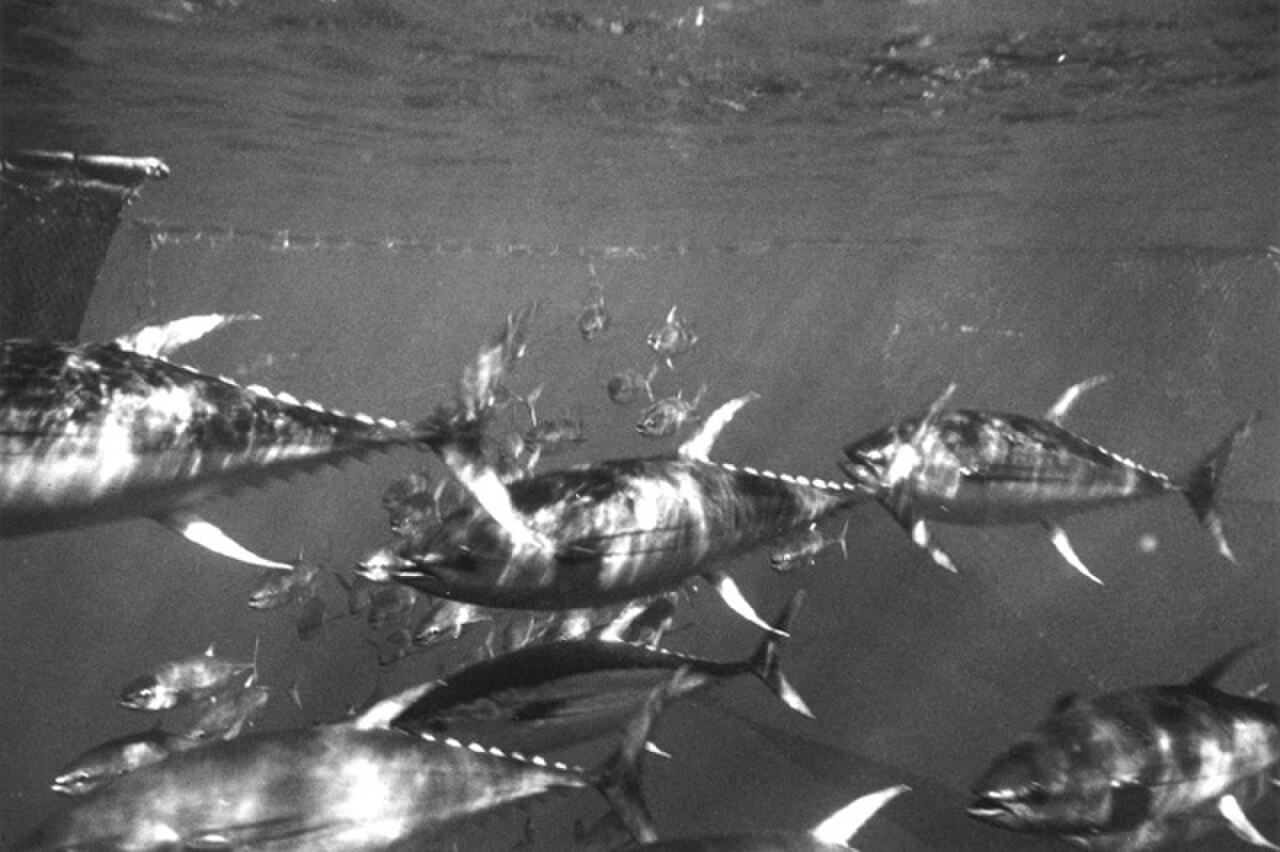
Tuna transparency is getting a deadline — and $163 million is riding on the data
Electronic monitoring equipment on a fishing boat. Photo: NOAA Fisheries.
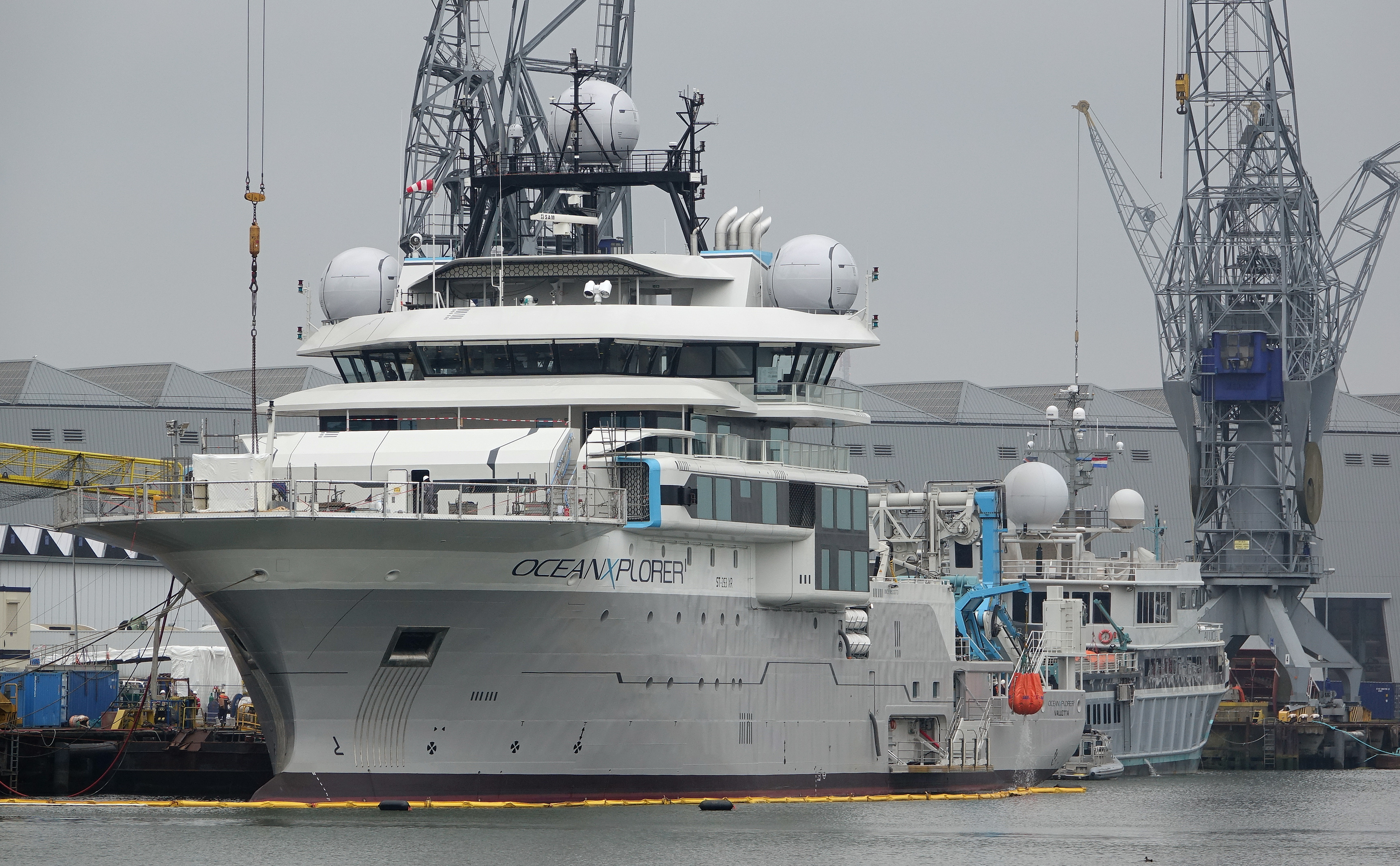
OceanX Bets on People-to-People Ocean Science
A U.S.–China student voyage aboard OceanXplorer is a small, practical wager: that shared data and shared decks can outlast geopolitics.
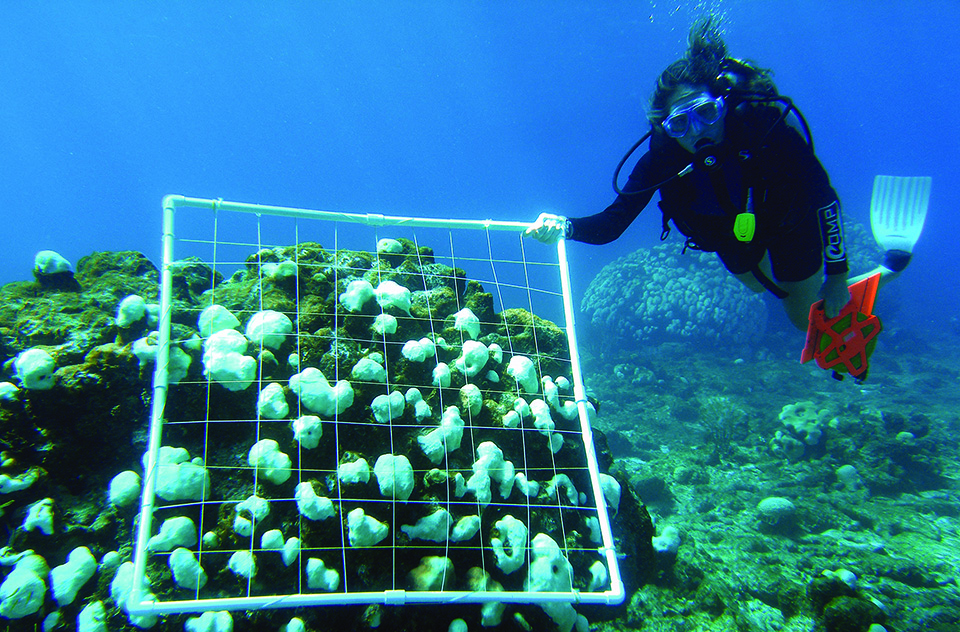
Marine Heatwaves Are Becoming a Year-Round Risk for Coral Reefs
NOAA Coral Reef Watch has expanded its daily satellite watch into a generalized marine heatwave index—useful far beyond reefs as ocean heat stress becomes more persistent.
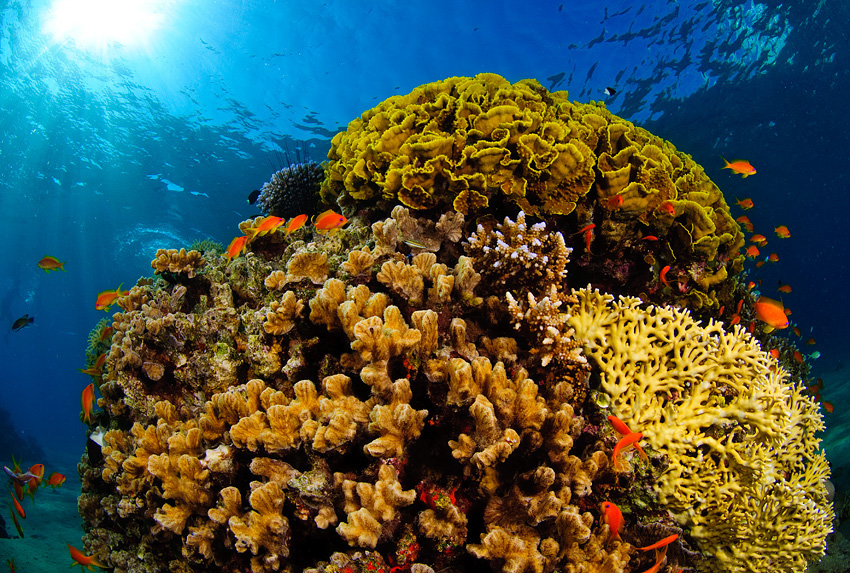
Reef mapping is becoming an investable dataset — as scientists listen for coral “hotspots”
Red Sea coral reef. Photo: Hagainativ (CC BY-SA 3.0) via Wikimedia Commons.
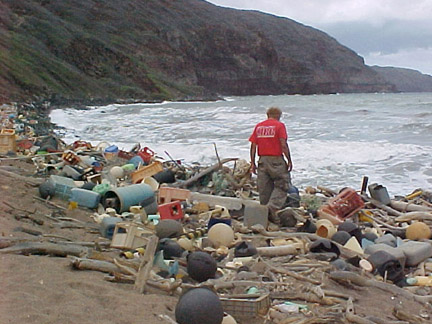
Microplastics are the hardest part of ocean plastics — and the most expensive to measure
Marine debris on a Hawaiian coast. Photo: NOAA (via Wikimedia Commons).
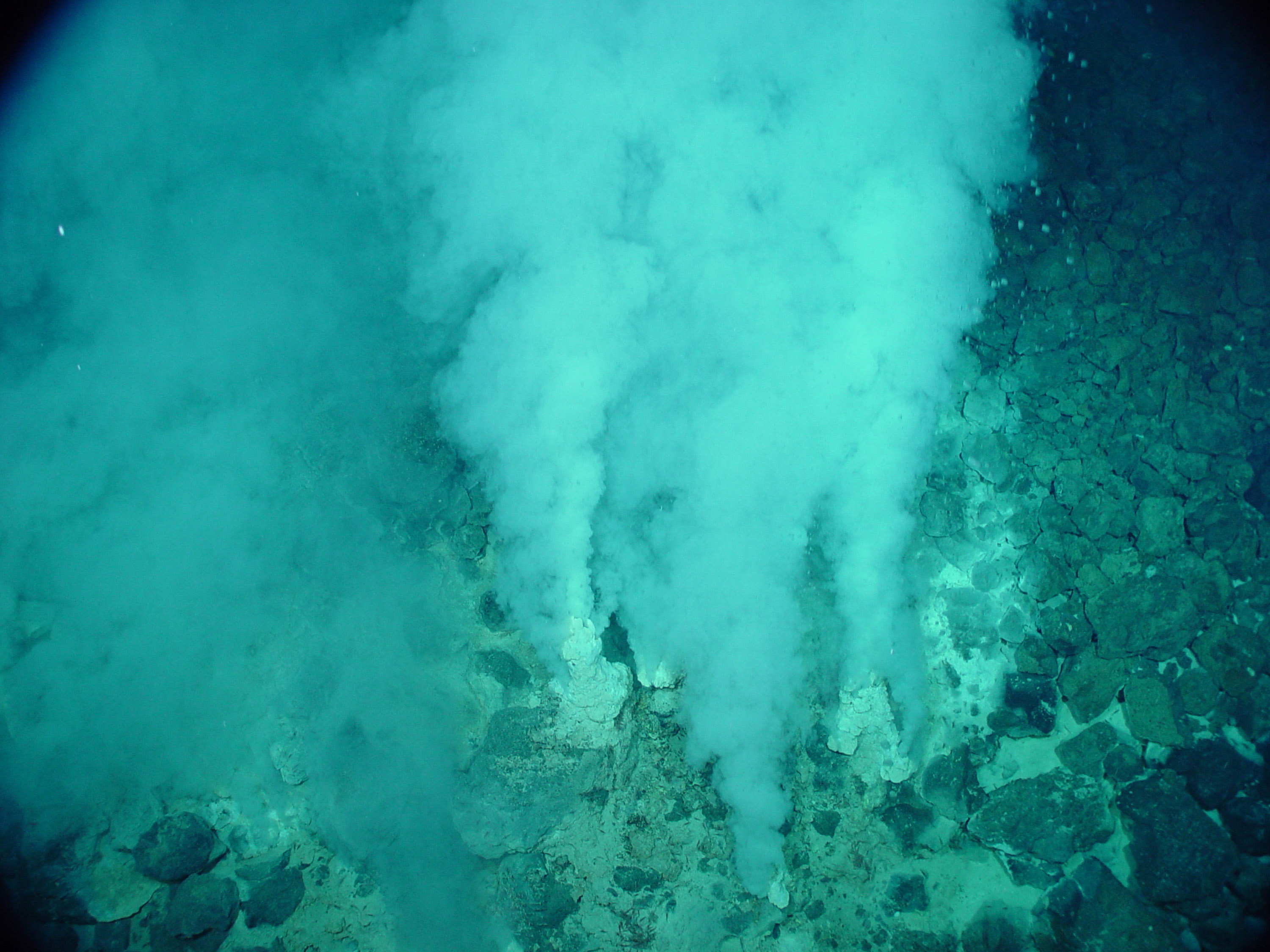
Africa Pushes Deep-Sea Mining Moratorium Past 41 Countries as IUCN Resolution 122 Framework Holds
Africa-led pause momentum at OOC11 in Mombasa builds on IUCN Resolution 122 (2021) and aligns with the High Seas Treaty's January 2026 entry into force.
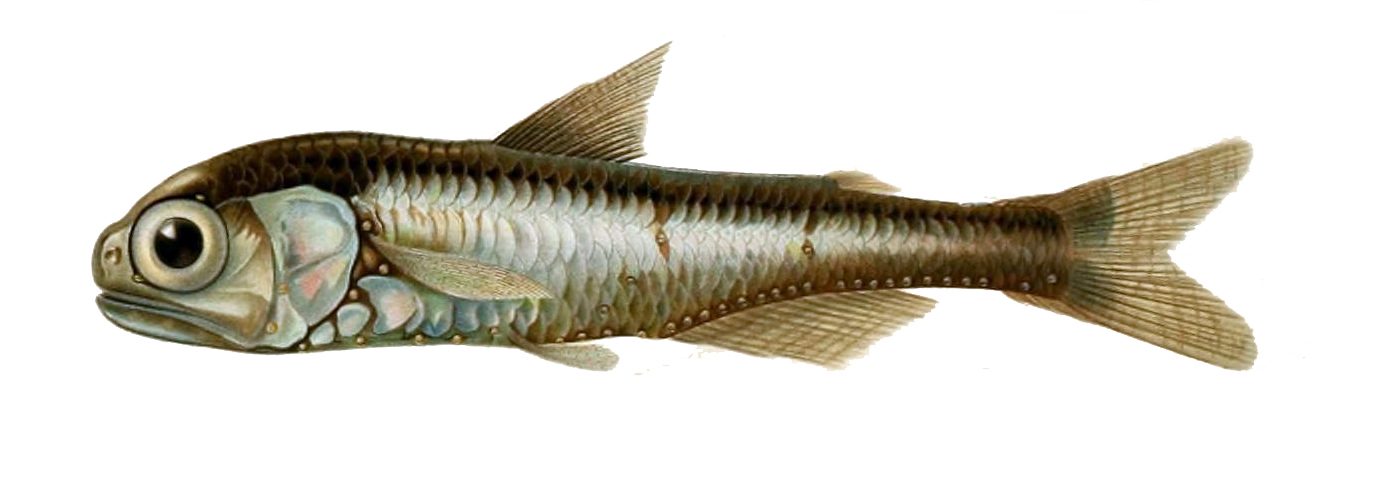
Fiji and Panama Launch a ‘Twilight Zone’ Challenge
A new pledge targets the mesopelagic zone — the ocean’s food warehouse and carbon pump — as interest in deep-water fishing and seabed mining grows.
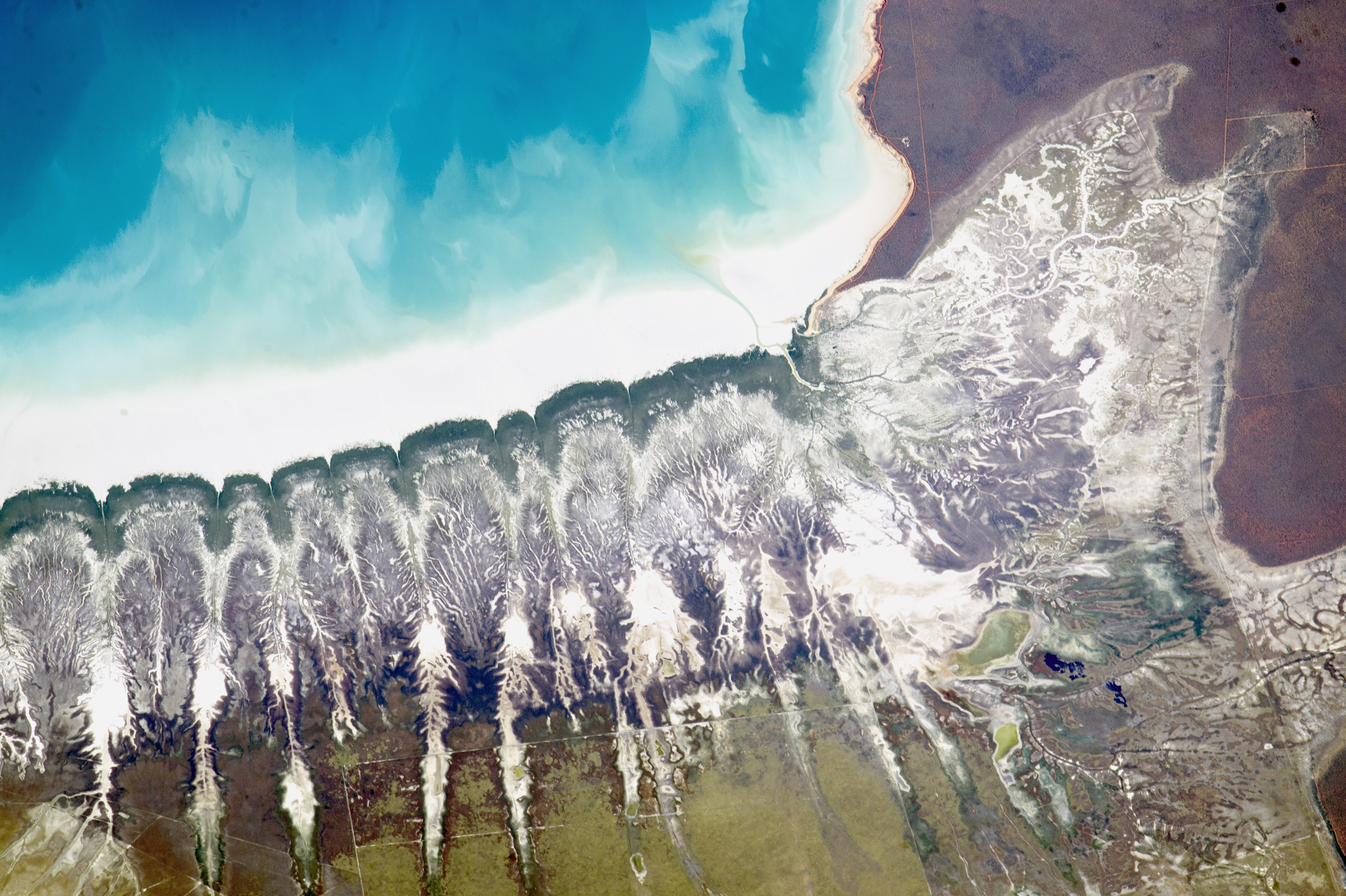
The Ocean Crosses 10% Protected. The High Seas Are Where the Next Phase Gets Real
A symbolic conservation milestone meets the harder structural problem: enforcement, finance, and getting binding rules into international waters.
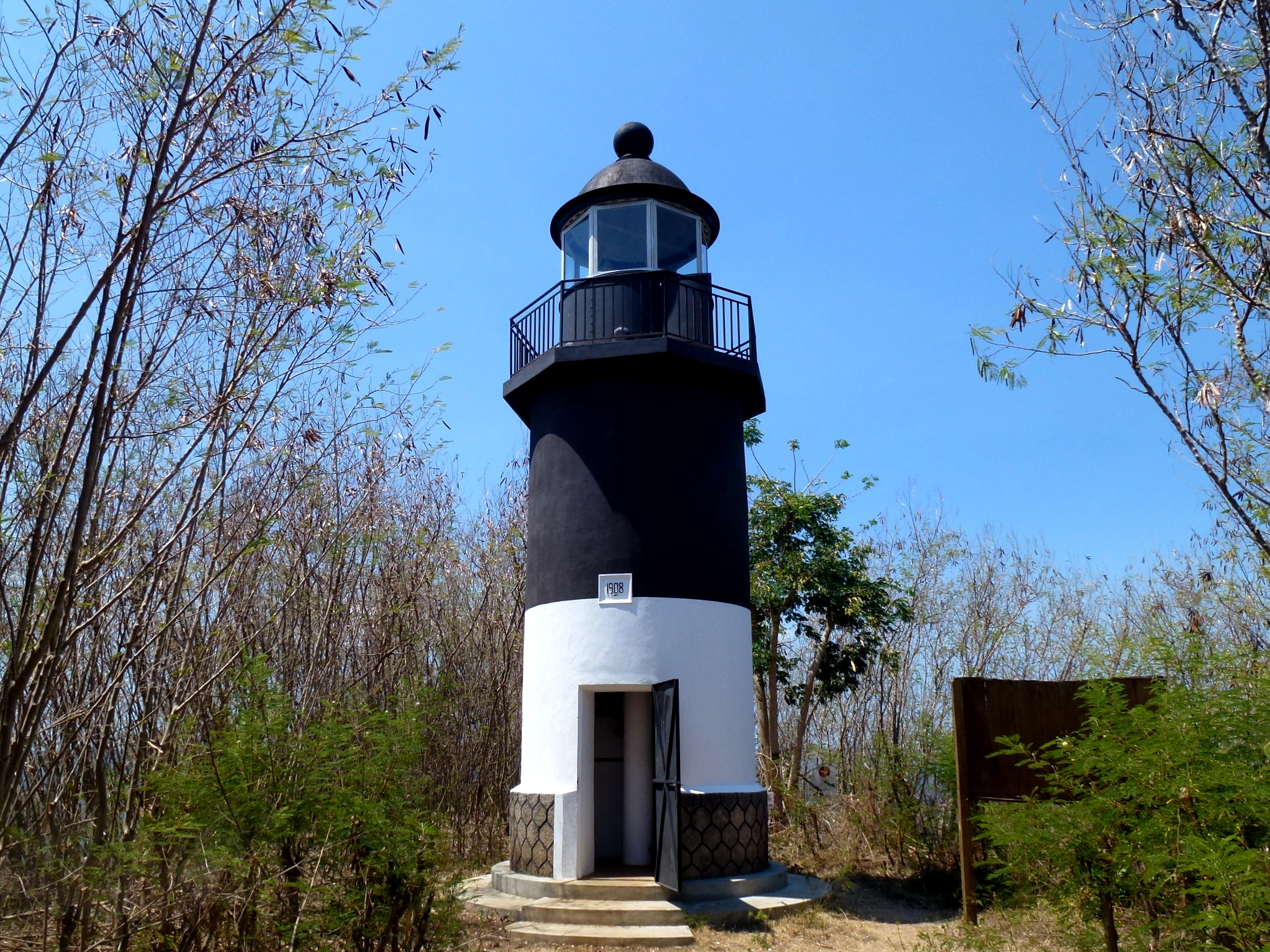
Blue Park Awards Put a Price on ‘Paper Parks’ as 30×30 Race Enters Its Hardest Phase
Blue Park Awards highlight a financing gap: MPAs can’t protect what they can’t patrol — even as new designations accelerate toward 30×30.
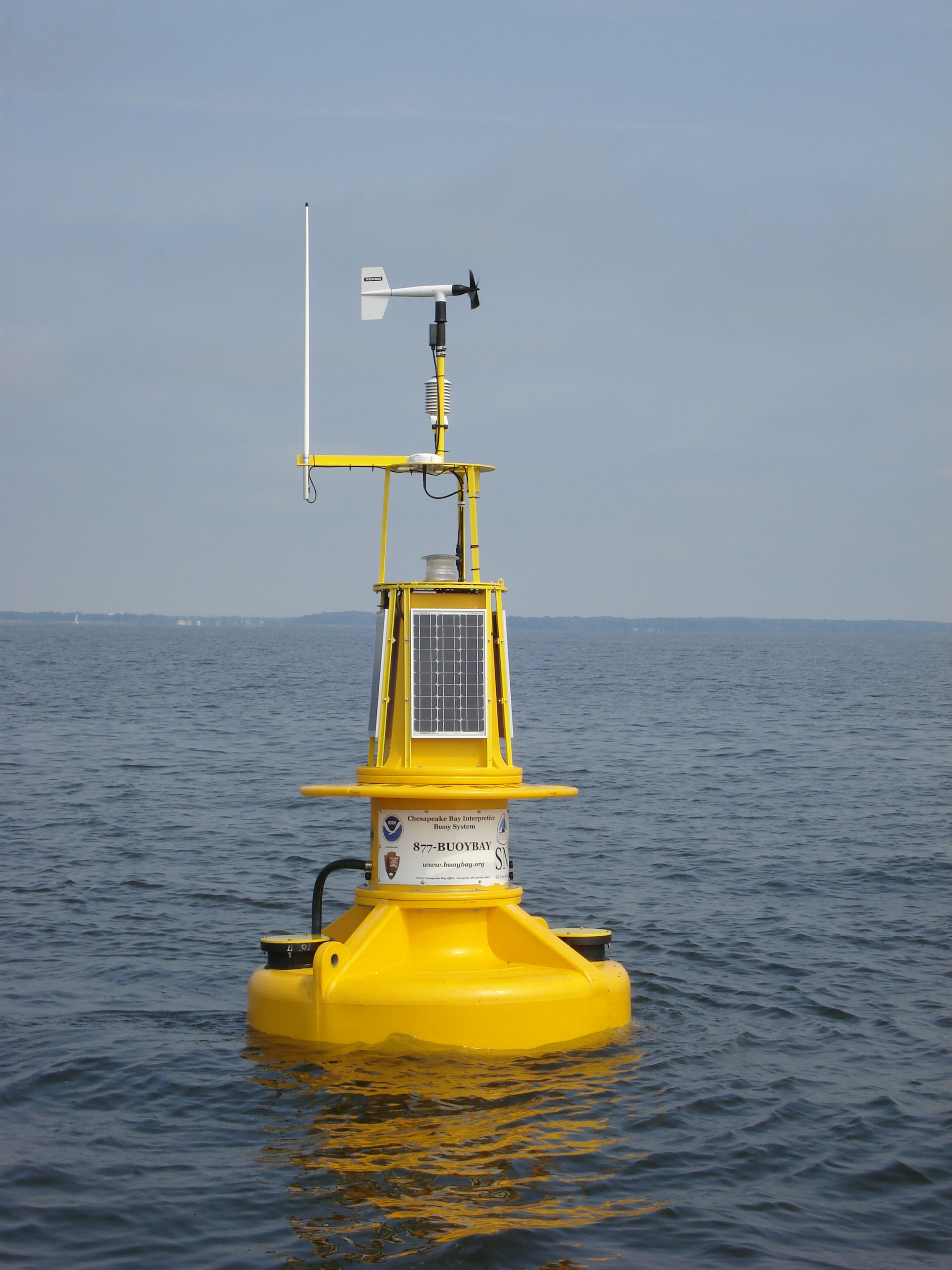
$6.4 Billion in New Ocean Pledges Puts Data Systems and High-Seas Governance Back on the Clock
At Our Ocean Conference 2026 in Mombasa, funders pledged $6.4 billion across 320 commitments. The test now is whether observation, enforcement and high-seas governance can keep pace.

UN Global Compact and UNEP FI bring central banks into the USD 5.5 trillion ocean economy framework
A 23 June 2026 roundtable at Lloyd's Register Foundation Building positioned ocean decline as a macro-financial risk, not only an environmental one.
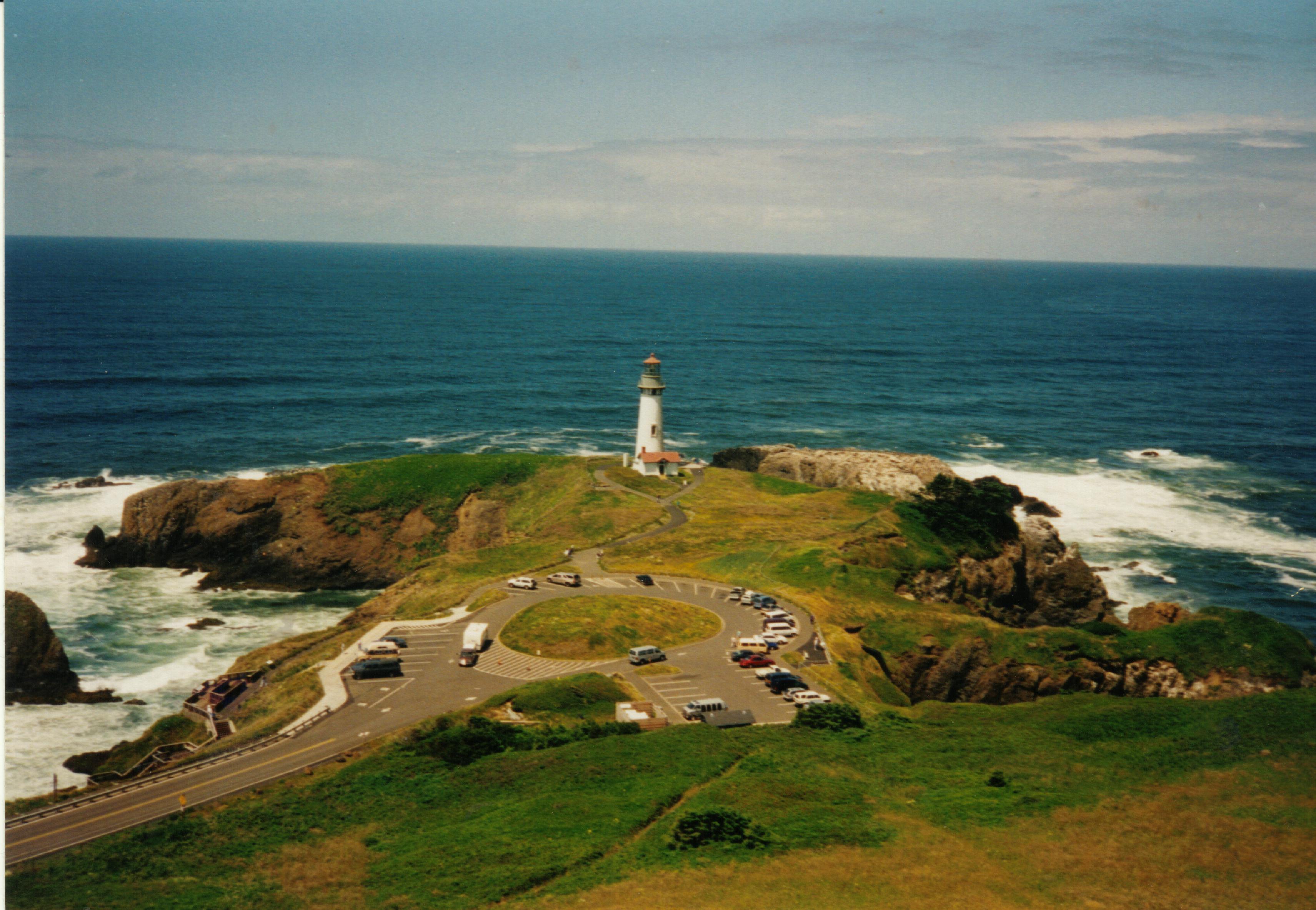
NSF reverses course on USD 368m Ocean Observatories Initiative after Senate passes bipartisan rescue bill
The Senate's unanimous 17 June vote and the NSF's 18 June statement keep 900-plus sensors operational across five arrays managed by Woods Hole Oceanographic Institution.
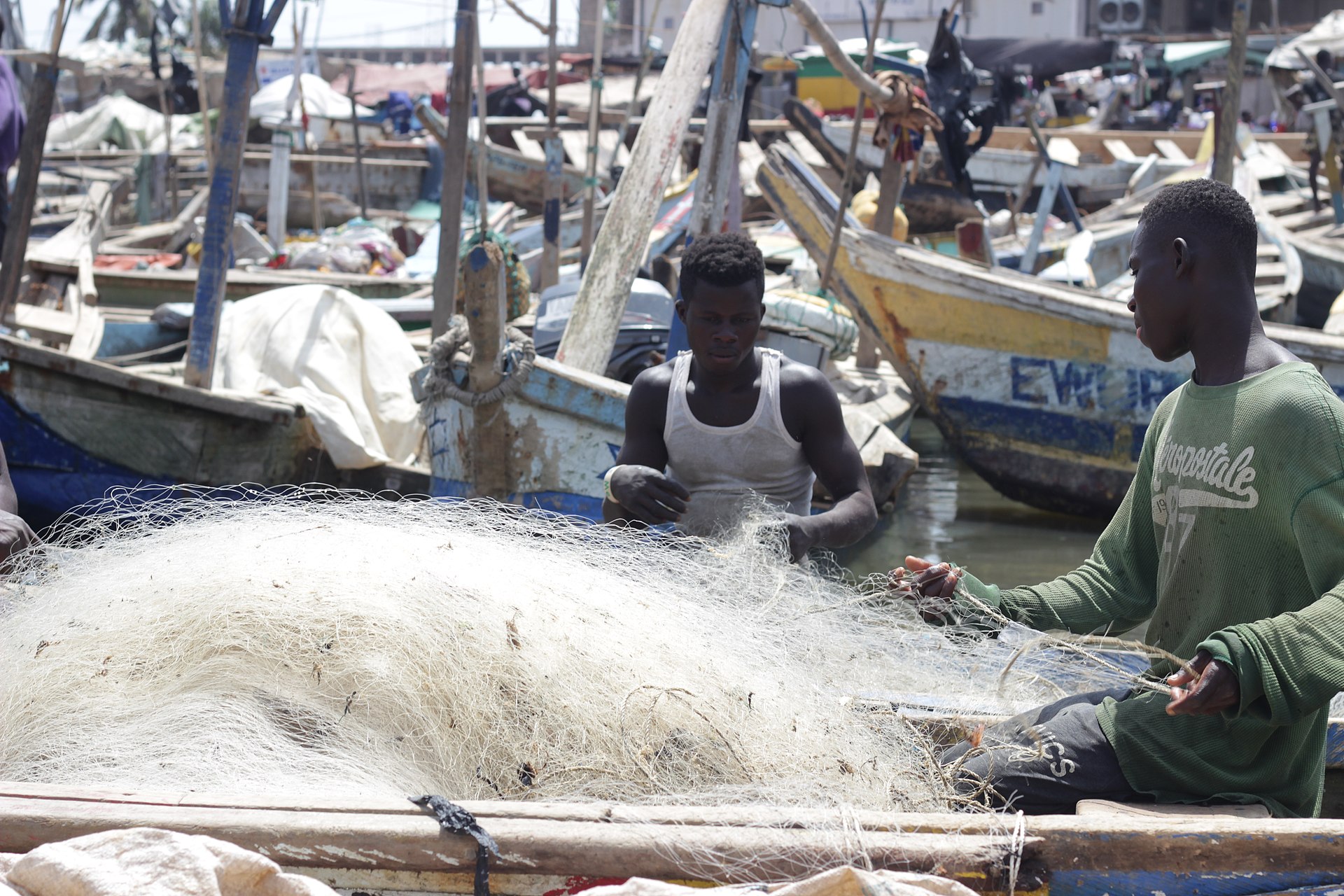
Sixteen countries sign Mombasa Declaration on Fisheries Transparency to attack USD 50bn-a-year IUU problem
Belgium, France, South Korea and thirteen others commit to modernise vessel registries, publish fishing authorisations and share data with the UN FAO.
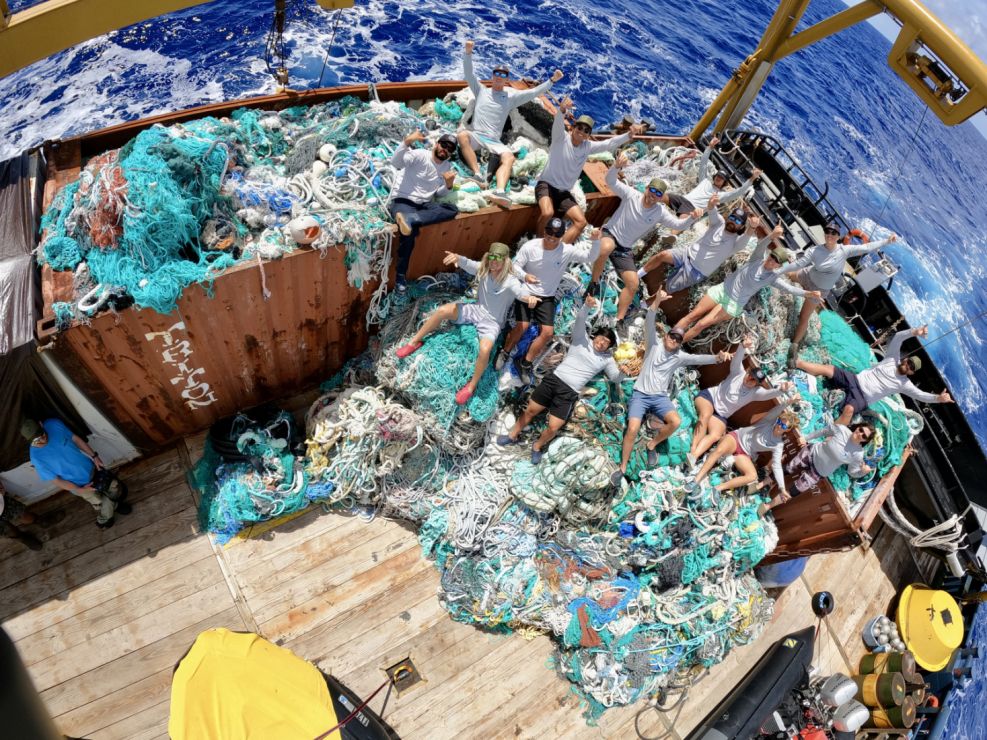
Our Ocean Conference Pledges $6.4 Billion — The Hard Part Is Proving It Lands
Mombasa commitments put real money on the table — now the world must show what gets built, monitored and enforced.
€60.5 Million Bets on Western Indian Ocean Governance
A new EU–Germany programme targets illegal fishing losses, finance bottlenecks, and ecosystem resilience across nine countries.
Our Ocean Conference spotlights “effective” protection as African governments move from pledges to MPAs
African governments used this week’s Our Ocean Conference in Mombasa to push a more demanding idea of marine protection: not just areas drawn on maps, but areas that can be managed, funded and enforced — the difference between a policy anno
NOAA details new Pacific monument fishing access, raising fresh questions for protected oceans
A June 11 proclamation reopens parts of three U.S. Pacific marine monuments to commercial fishing, testing what ‘protection’ means in practice.
UNESCO-backed ocean learning programme reaches 23,000 students across Southeast Asia
Illustration: Southeast Asian ocean-education session (AI-rendered editorial visual).
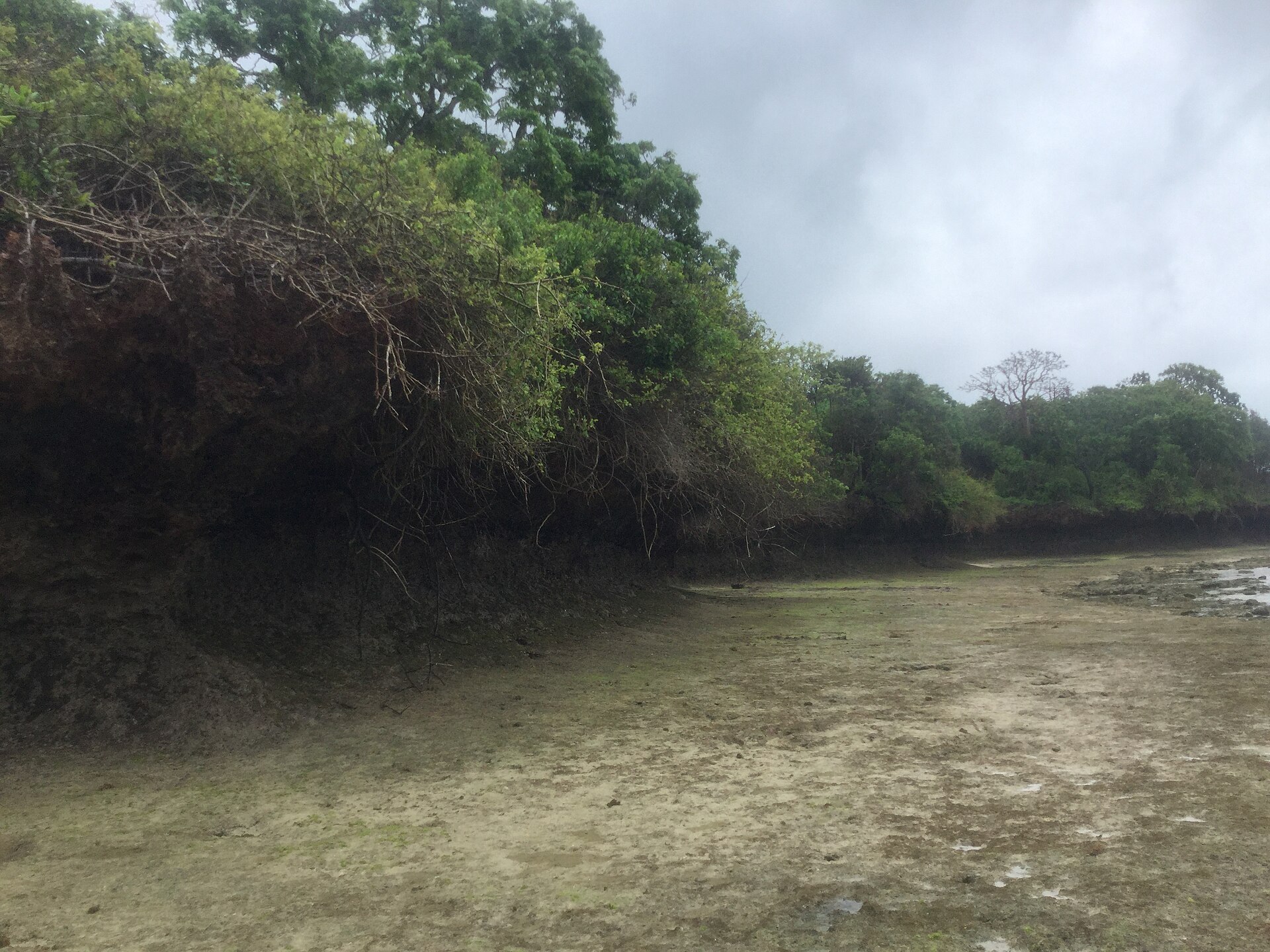
Mesopelagic Zone Conservation Challenge launches at OOC11 in Mombasa as IOC-UNESCO opens GOOS funding push
Two ocean-science-led commitments anchor day one of the 11th Our Ocean Conference: a charter for the twilight zone and an EU–IOC alliance to sustain global ocean observations.
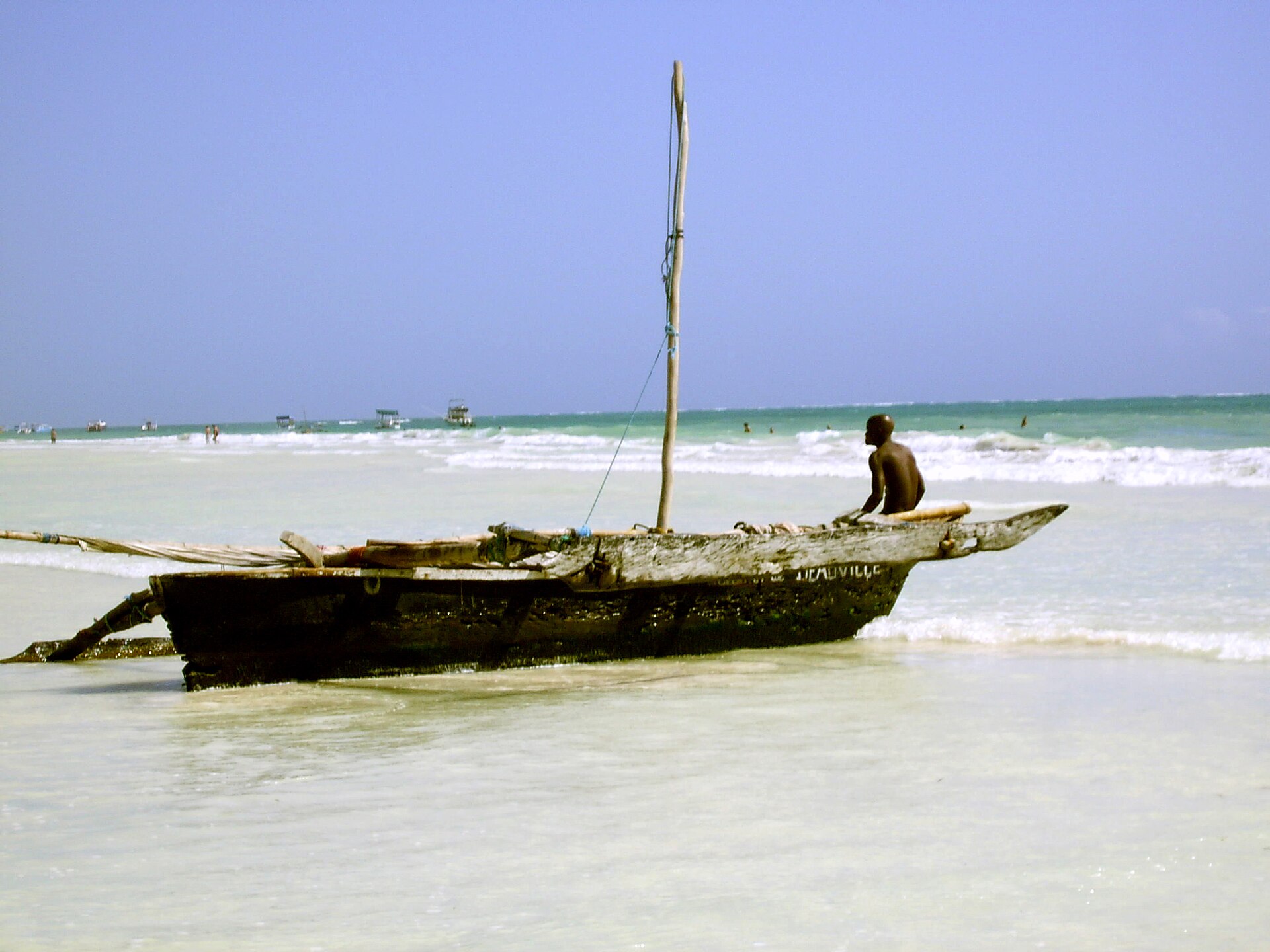
Faiths for 30×30 launches in Mombasa, putting religious institutions on the ocean-finance balance sheet
An eve-of-conference forum at the Mombasa Continental Resort registers faith-led ocean pledges against the Global Biodiversity Framework and the BBNJ Agreement that entered into force on 17 January 2026.
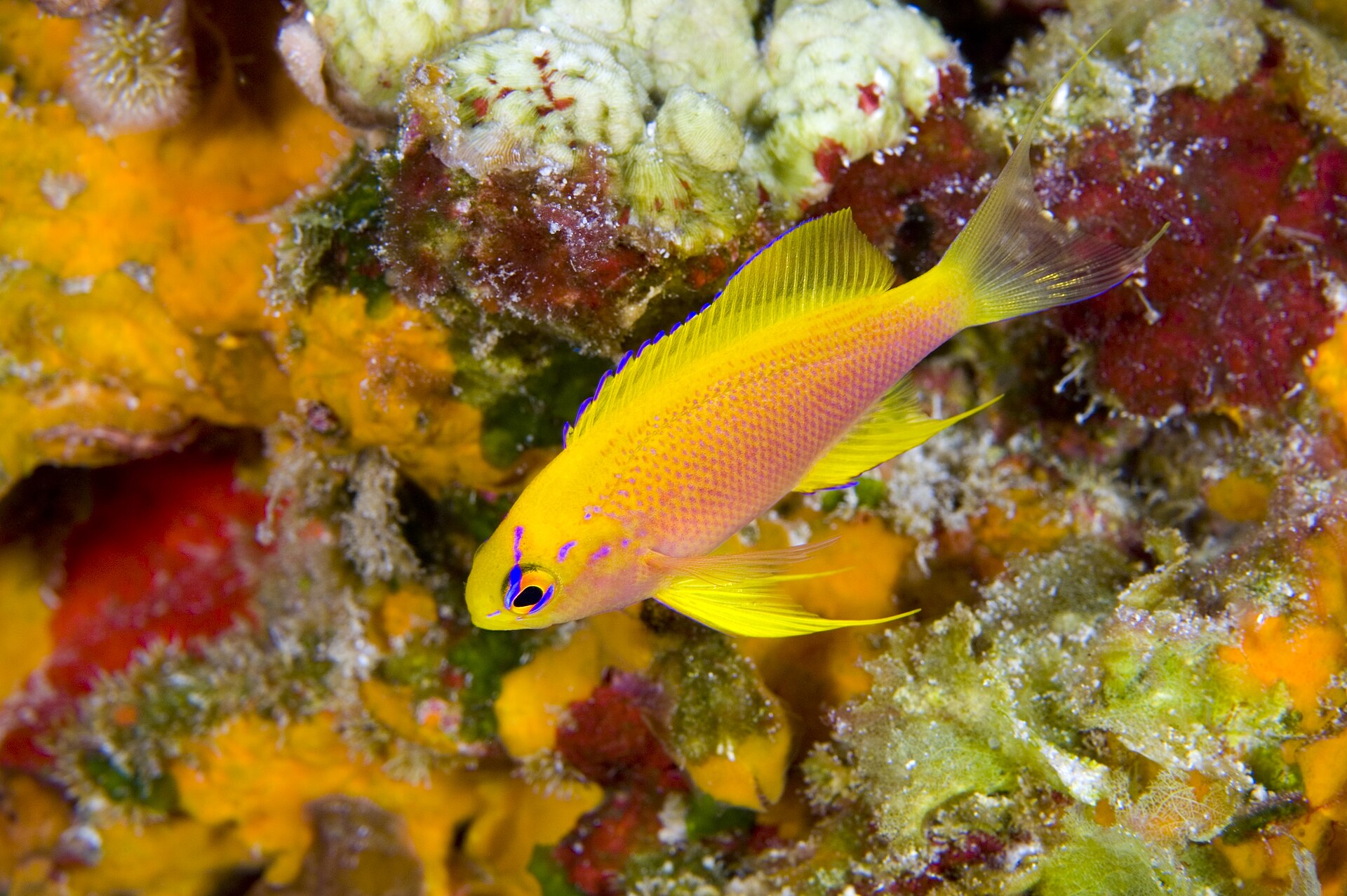
Trump opens 500,000 sq mi of Pacific marine monuments to commercial fishing; lawsuits ready
Five US marine national monuments have now lost their commercial-fishing prohibitions in 14 months. A federal court already struck down a parallel order in August 2025.
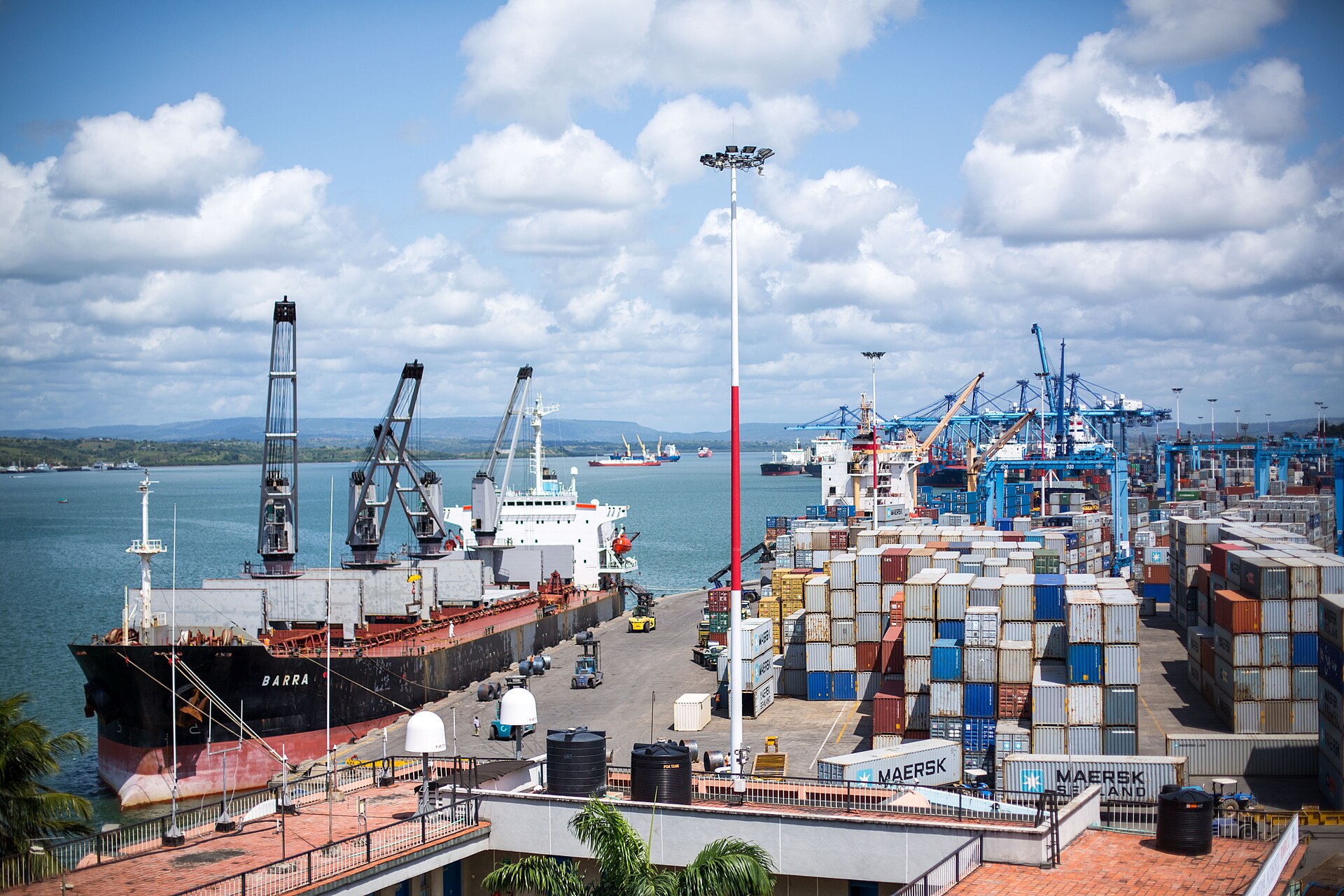
USD 2.5 trillion ocean economy meets a 14% funding gap as Our Ocean Conference convenes in Mombasa
Services now account for 58% of ocean trade as global ministers prepare for the 11th Our Ocean Conference in Kenya — the first held on African soil.
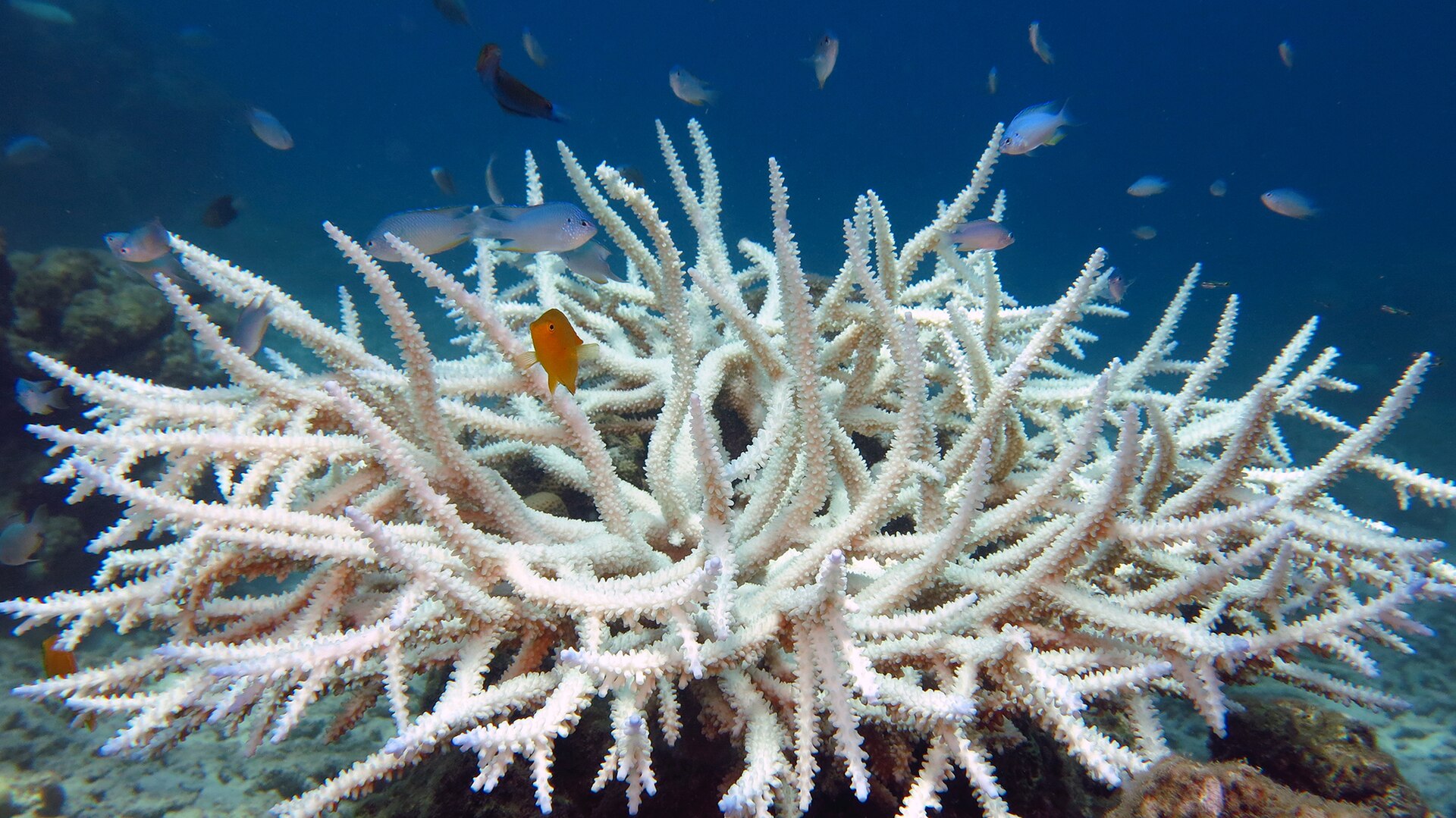
NOAA confirms end of Fourth Global Coral Bleaching Event: 84% of world's reefs hit in 26-month run
The most widespread and intense bleaching episode on record ran from early 2023 to mid-2025 and surpassed the 68% reach of the previous event. NOAA warns reefs are now in an era of near-annual bleaching.
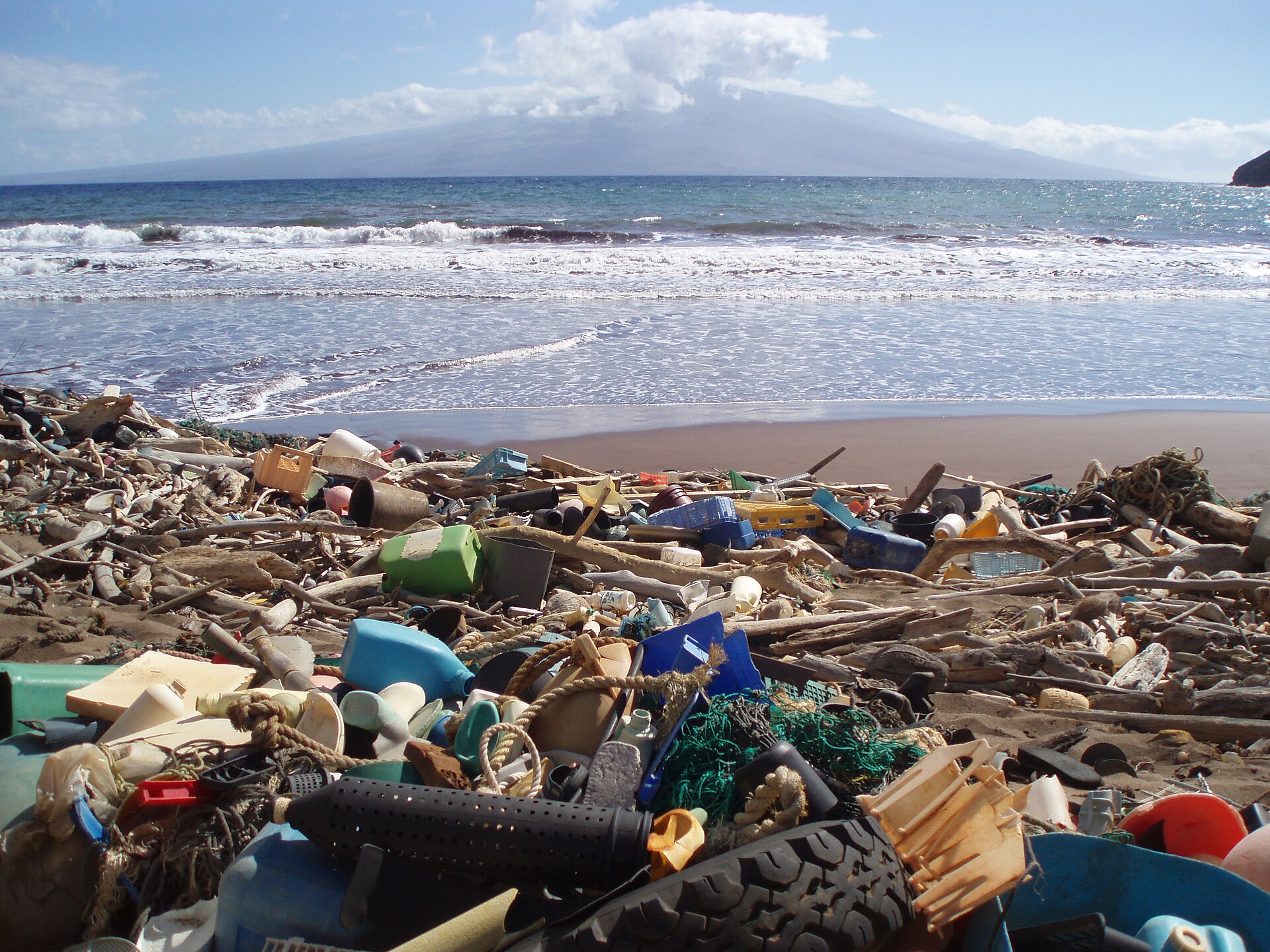
UN launches Third World Ocean Assessment: 52.1 million tonnes of plastic, 4.3 mm sea-level rise, 27.3% of seafloor mapped
The only General Assembly–mandated integrated ocean assessment lands a hard data set for ocean policy in 2026: 16% of total ocean-heat increase since 1955 has occurred since 2018, and 24.4 trillion microplastic particles now affect 4,000+ marine species.

French Polynesia locks 520,000 sq km of ocean into IUCN Category 1 in single largest 30x30 contribution to date
On World Ocean Day, President Brotherson delivered Te Tai Nui A Hau and Rahui Nui no Tuha'a Pae expansions, taking French Polynesia's no-take ocean to 1.4 million sq km — more than twice the area of continental France.
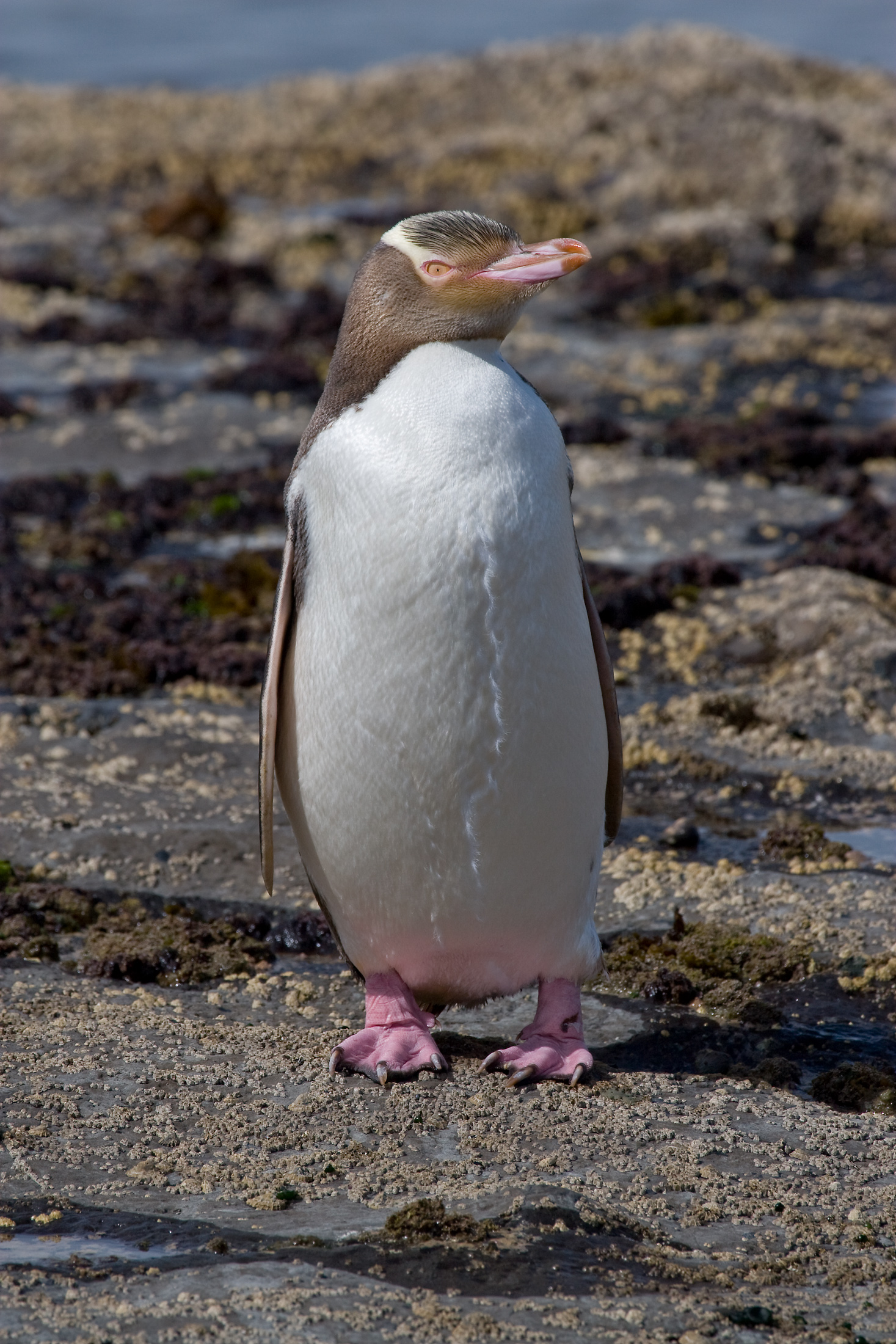
Aotearoa gazettes 308 sq km Otago marine network in biggest mainland NZ expansion since 2014
Five no-take reserves, co-managed by the Department of Conservation and Kāi Tahu, lift mainland Aotearoa's marine reserve coverage by nearly 50 percent.
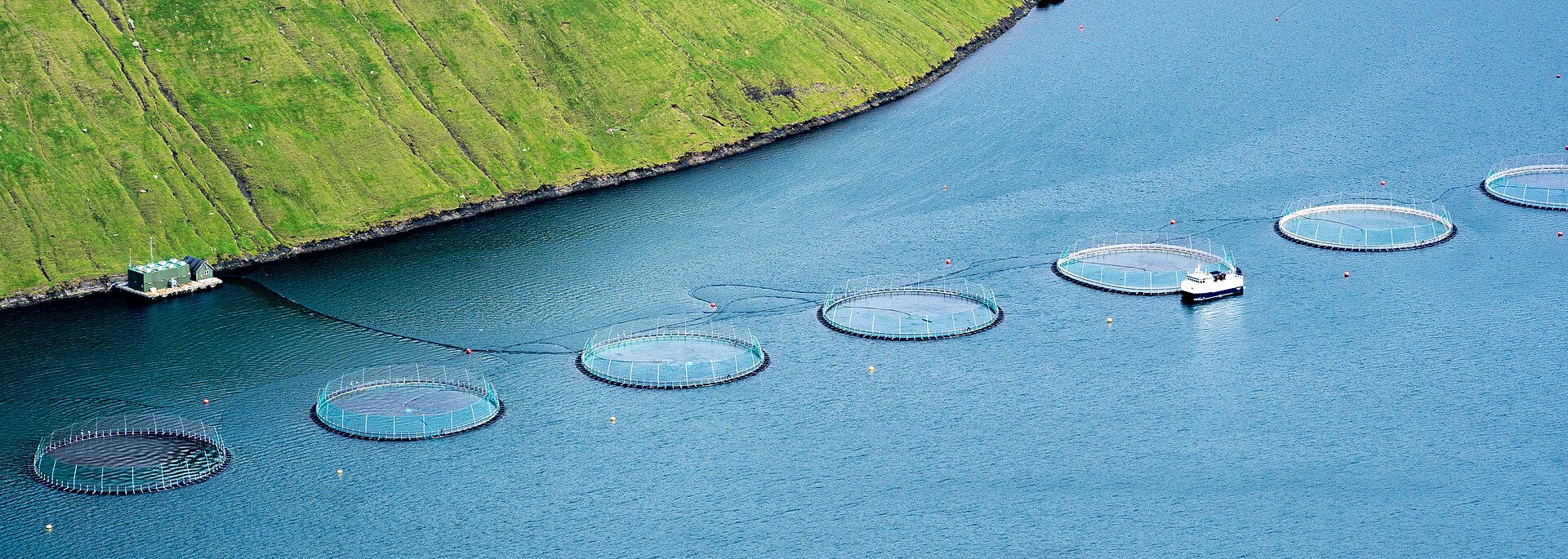
ILO adopts first global safety code for a 130-million-tonne aquaculture sector
Geneva tripartite meeting finalises binding-style guidance for fish, shellfish and seaweed workers as aquaculture overtakes capture fisheries for the first time.
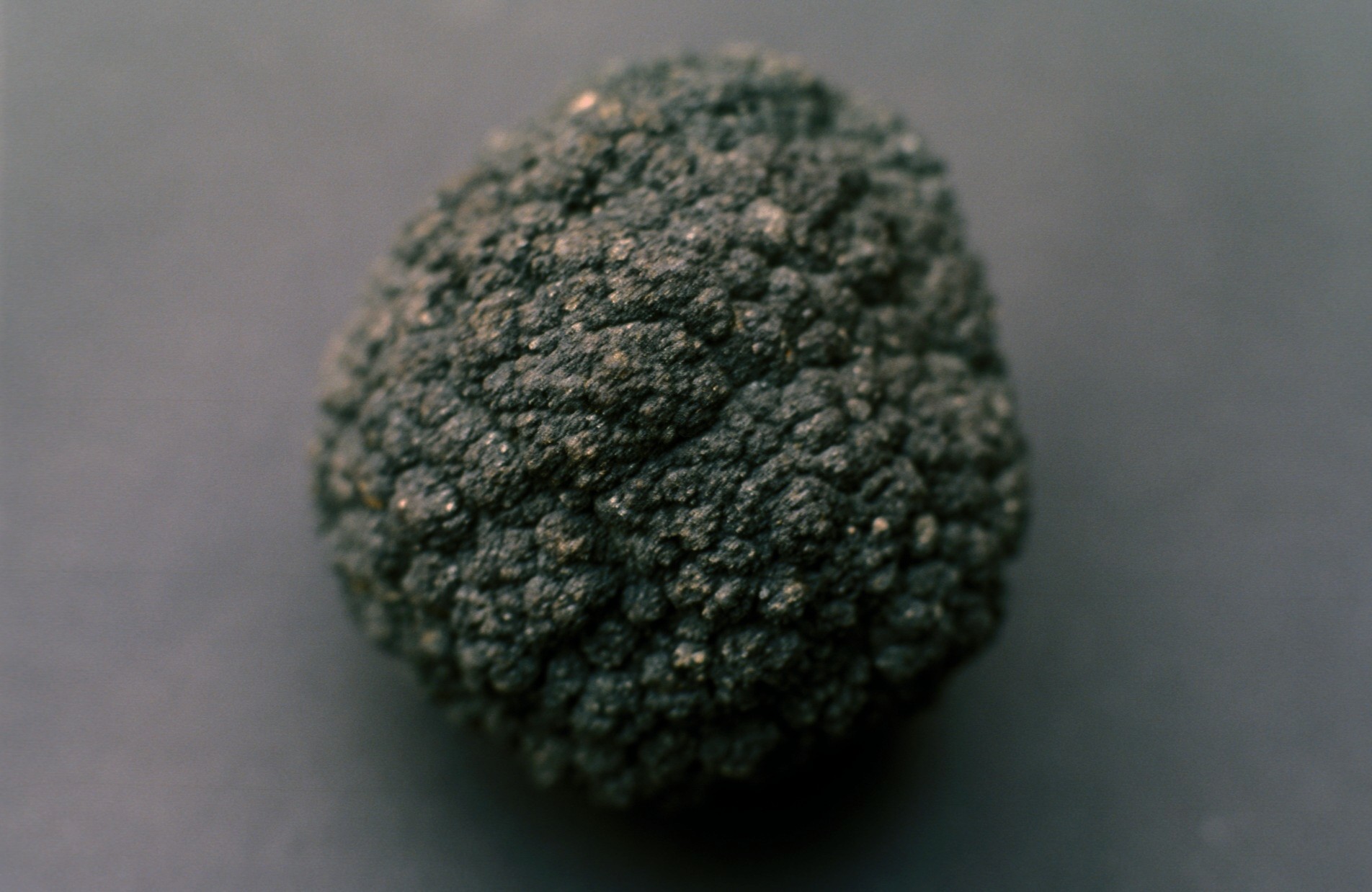
US prepares 875,000 sq km of Pacific federal waters for seabed-mining auctions
Three lease sales across an area twice the size of California would make the US one of the first nations to allow commercial deep-sea mining.
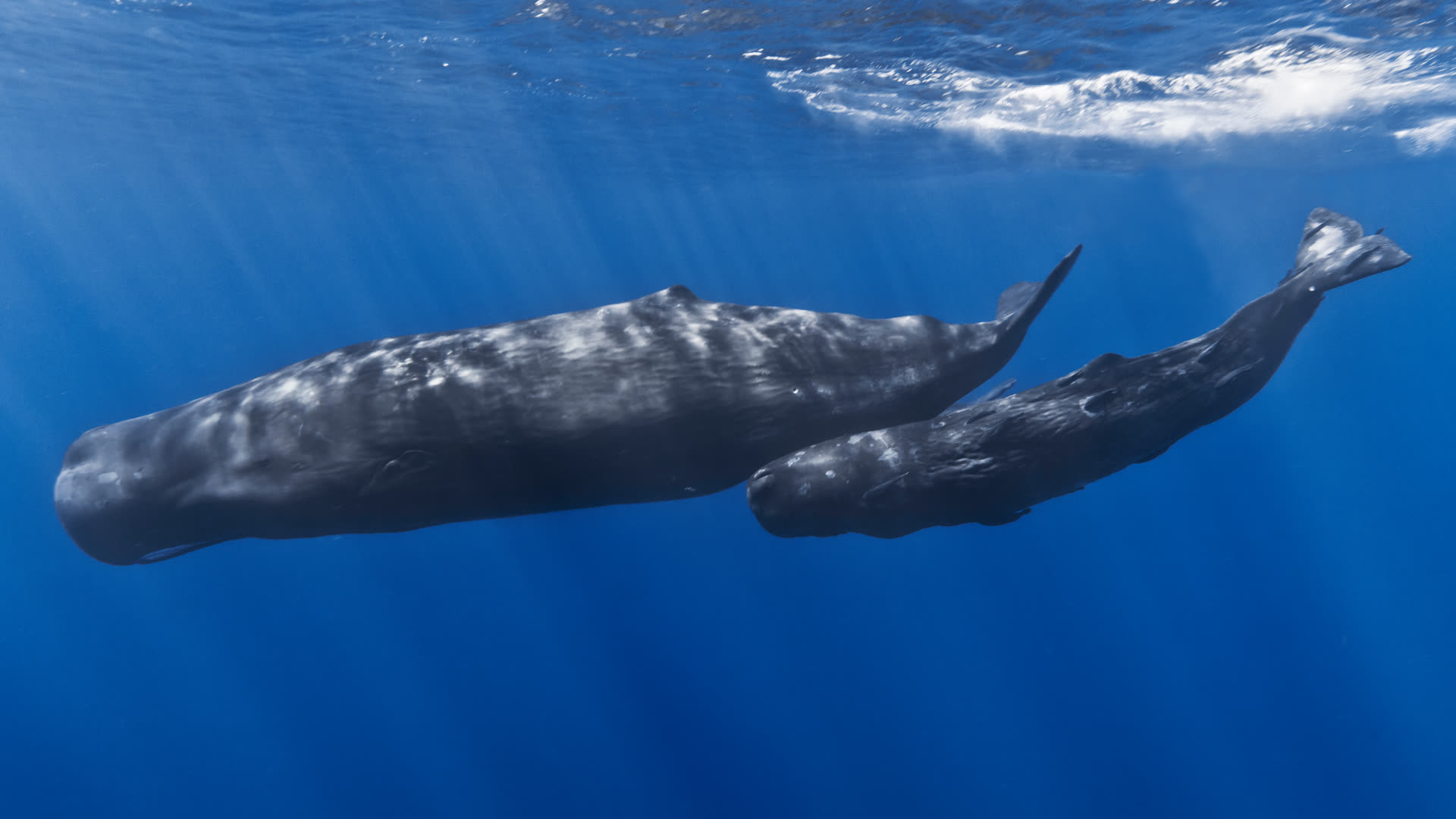
Caribbean opens its first basin-wide marine megafauna expedition as IOCARIBE stands up a BBNJ task team
CALYPSO's three-month survey lands inside a regional architecture being built for the High Seas Treaty era.
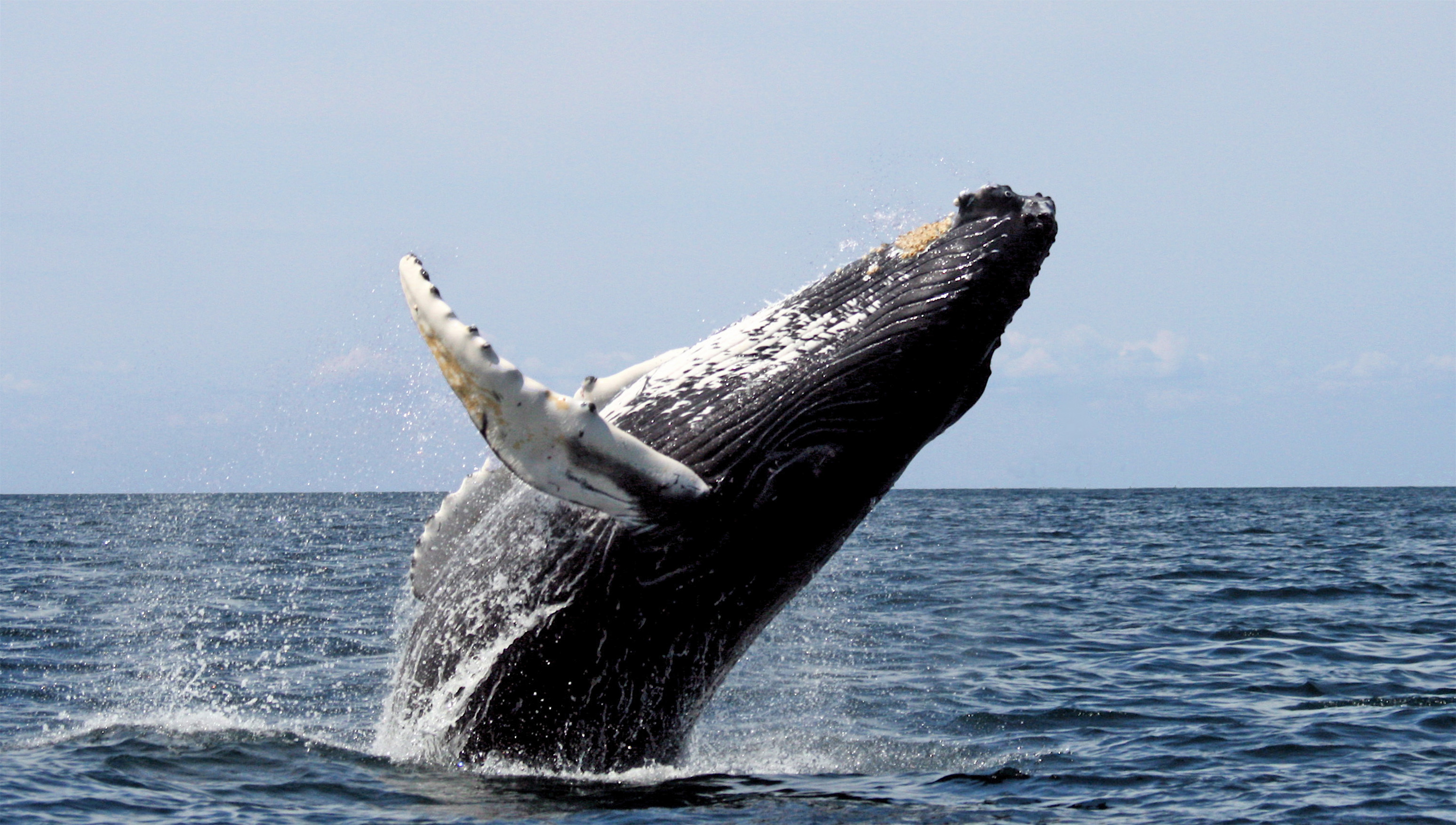
Two humpback whales link Australia and Brazil across 15,100 km
A 0.01% finding reshapes how managers think about whale population connectivity, genetic exchange and culture.
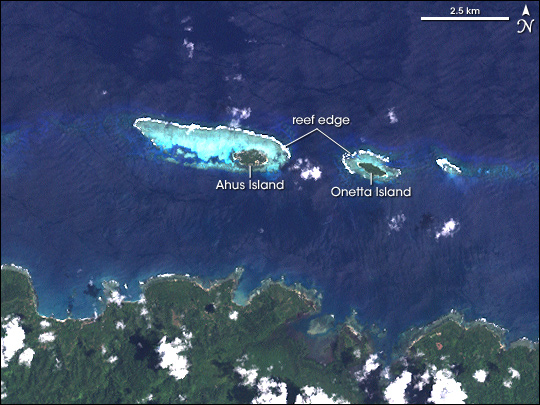
Papua New Guinea sets aside 214,000 sq km no-take sanctuary in Western Manus
The largest MPA in Melanesia anchors a 6 million sq km Pacific transboundary network — a credible 30x30 down payment.
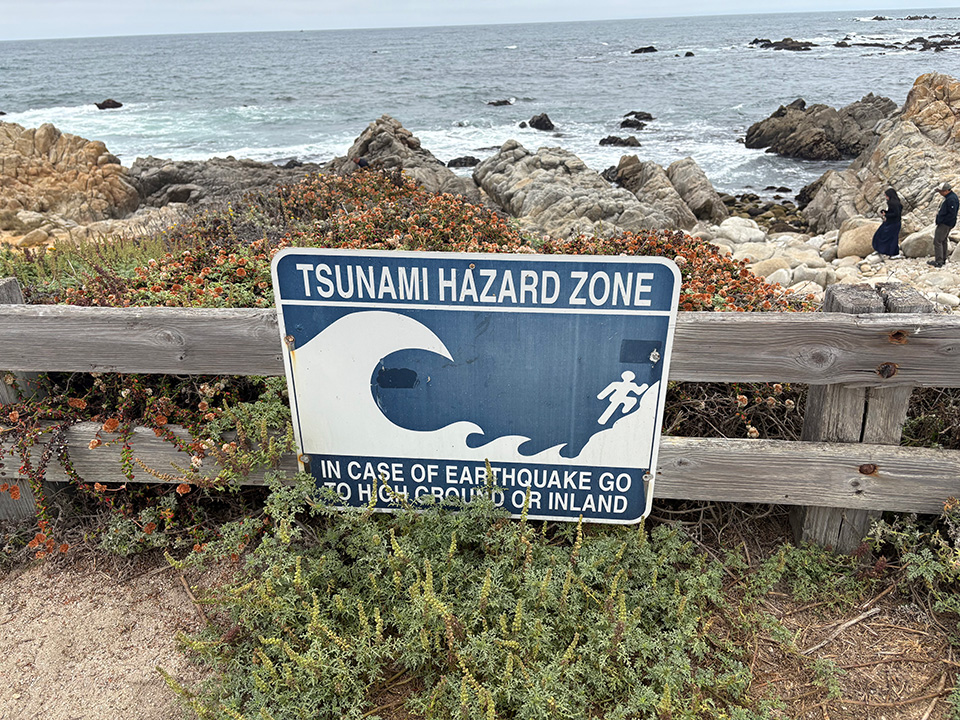
Samoa launches UNESCO-IOC Tsunami Ready programme across 37 villages
A community-by-community readiness framework links UNESCO-IOC science to Pacific evacuation planning ahead of the 2030 Ocean Decade target.
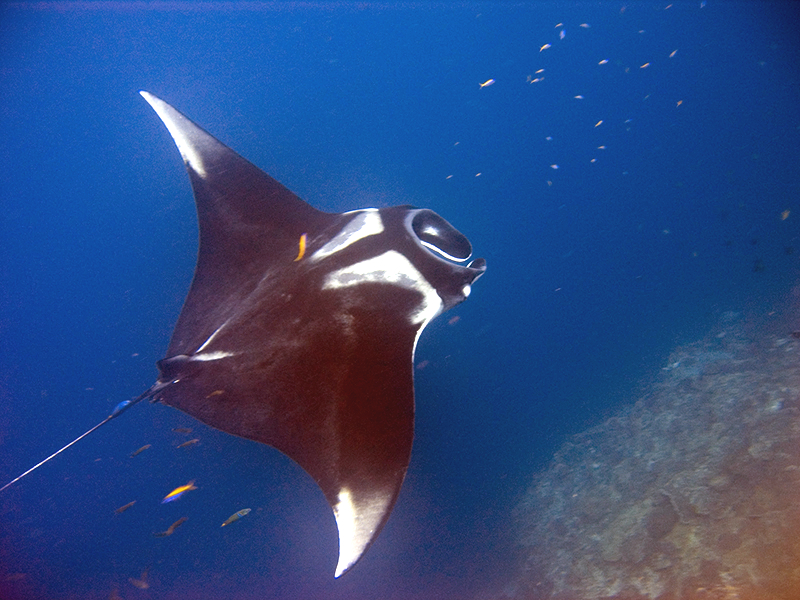
Sharks International lands in Asia: Colombo conference reframes ray conservation
The first Asian edition of the world's largest shark conference reframes elasmobranch conservation: rays, not sharks, are the bigger crisis.
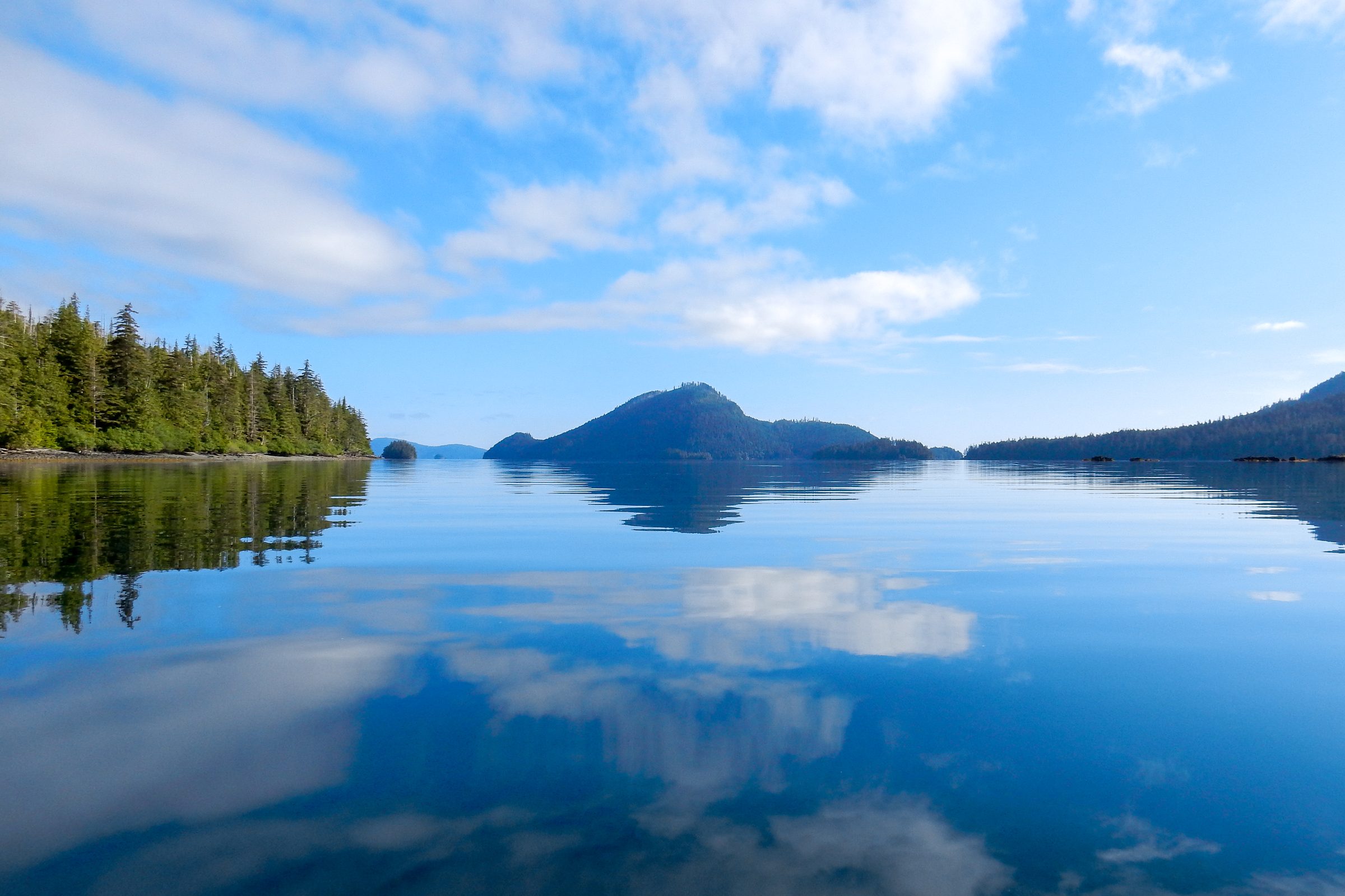
Canada and B.C. sign Indigenous-led marine conservation deal on the Great Bear Sea
Photo: Brett Hodnett (CC BY-SA 2.0), via Wikimedia Commons
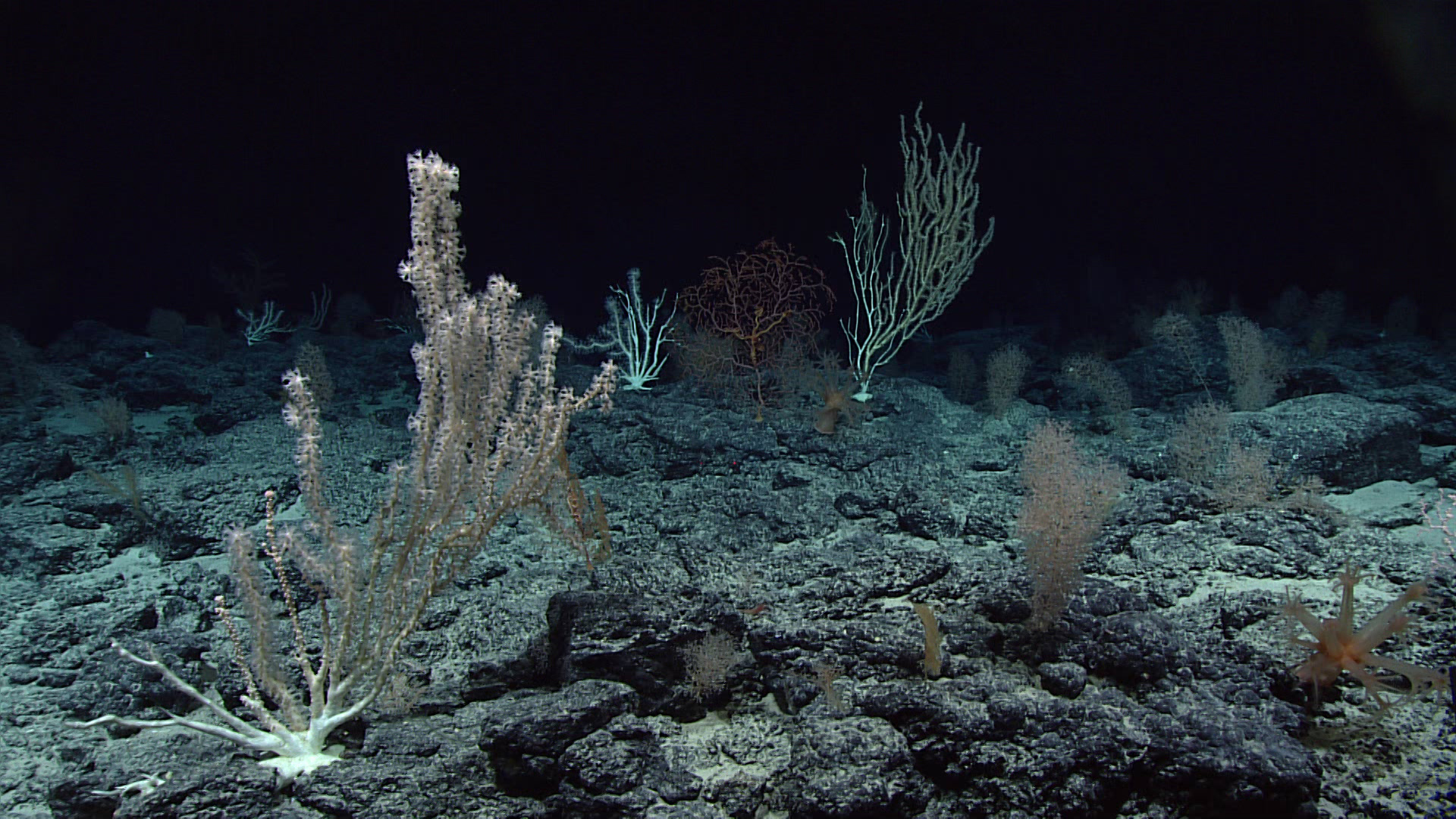
Ocean Census logs 1,121 new marine species in a year
A fast-track taxonomy pipeline aims to turn deep-sea discovery into usable evidence for policy as the UN Ocean Decade presses for results.
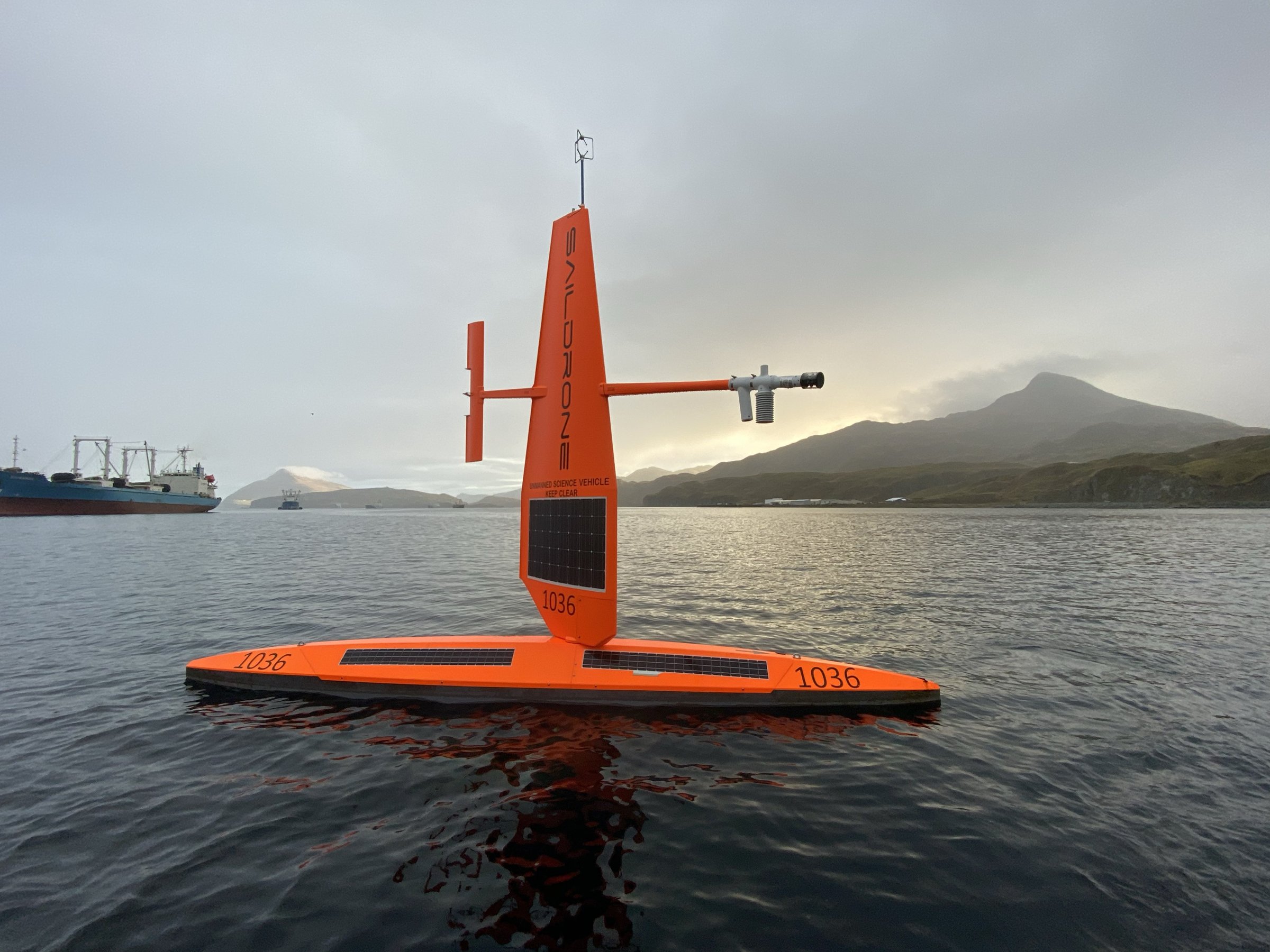
TNC and Newlab pick three pilots to automate ocean enforcement in Southeast Asia
New pilots aim to cut the cost of monitoring marine protected areas in Southeast Asia.
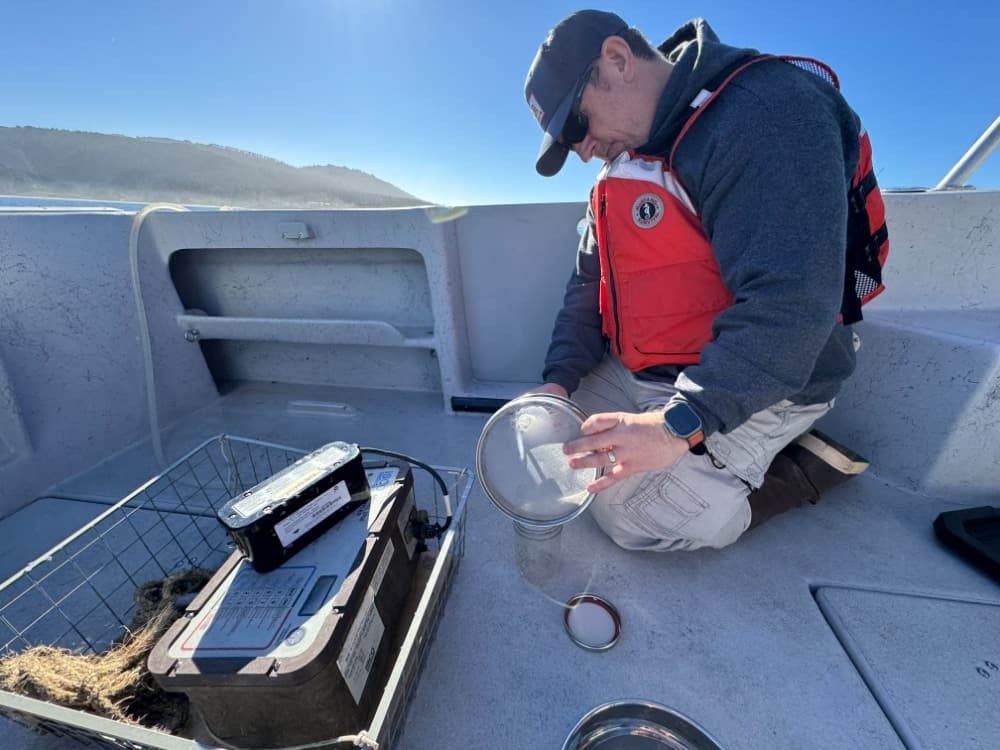
California Sets a Template for Measuring Microplastics — and the Price of Not Knowing
A new monitoring framework in California underscores a global problem: ocean plastics are tracked unevenly, even as cleanup costs and treaty deadlines tighten.
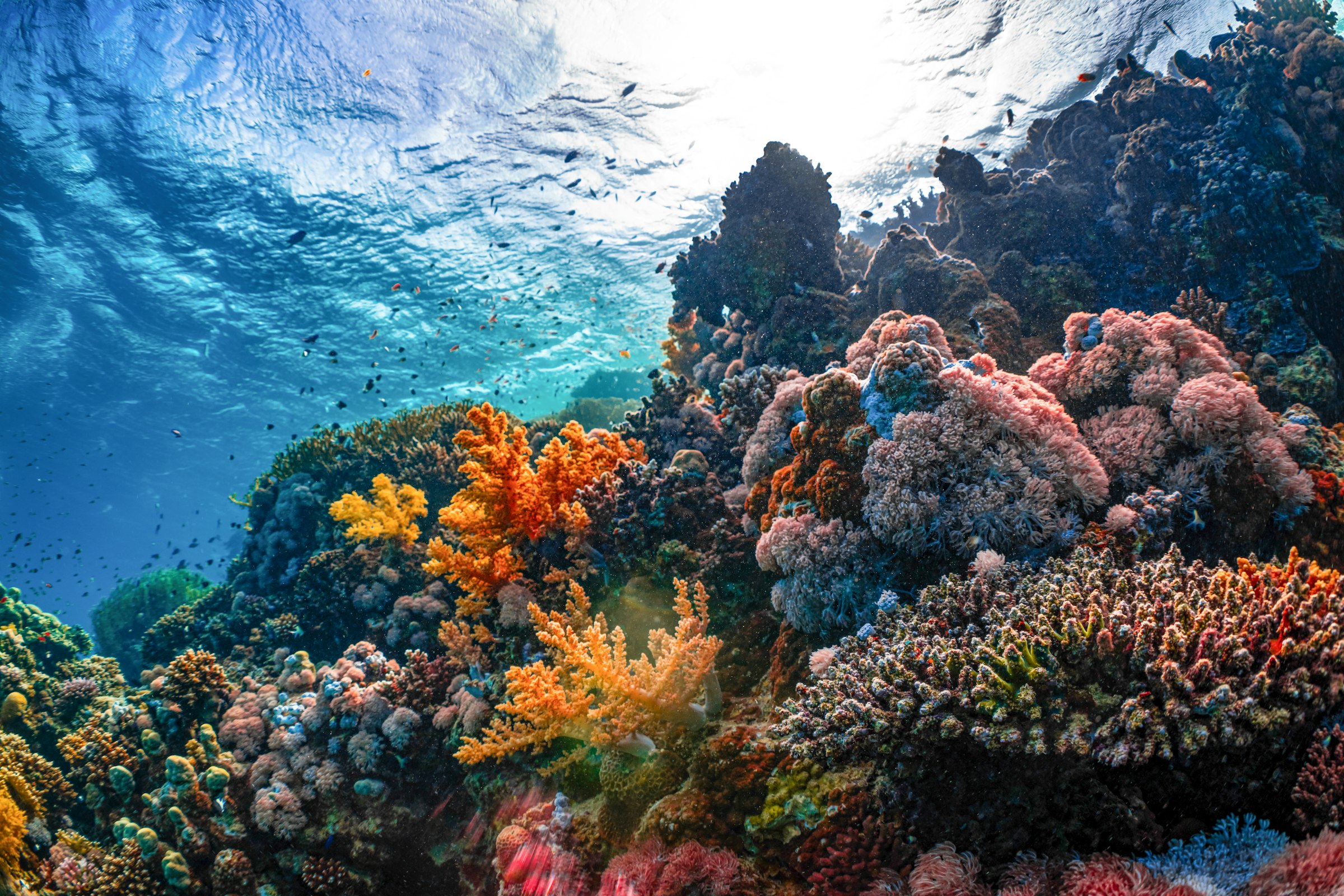
Ten Percent of the Ocean Is Now Protected
A milestone six years overdue arrives quietly — and reframes what the next four years of marine conservation must achieve.