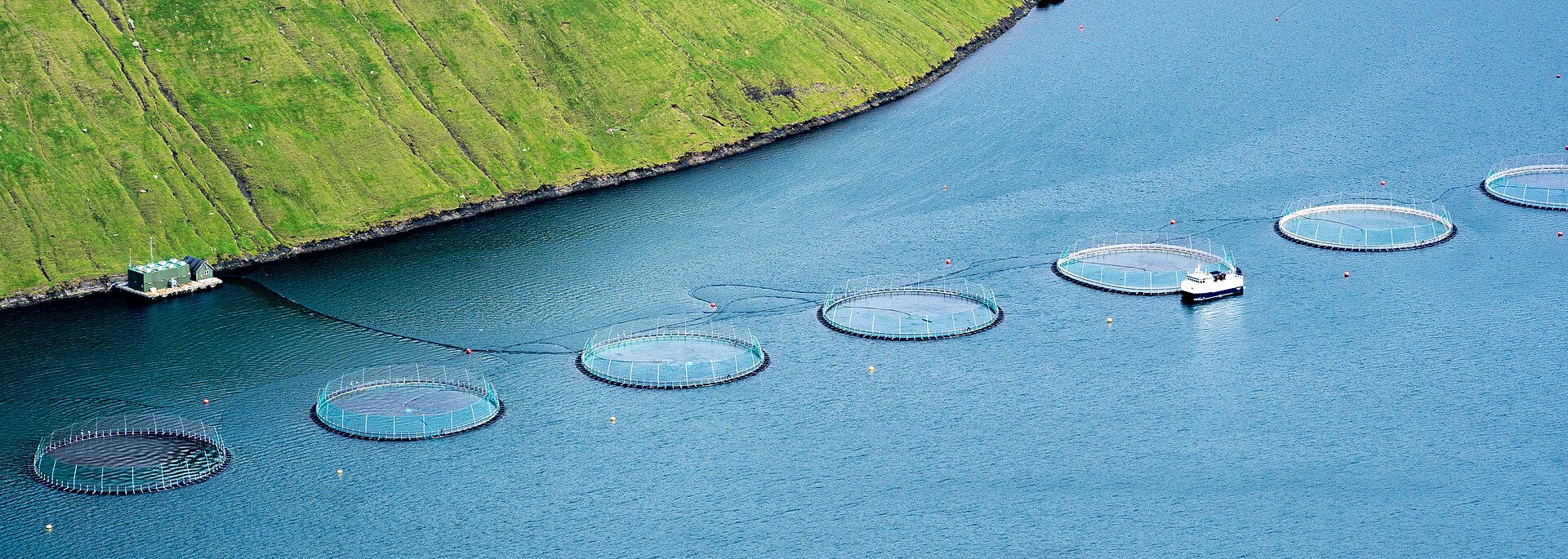
Tripartite delegates at the International Labour Organization (ILO) in Geneva have adopted the first-ever Code of Practice on Occupational Safety and Health in Aquaculture, closing a 1–8 May 2026 expert meeting that produced the first comprehensive international framework dedicated to workers in fish, shellfish and seaweed farming — a sector whose output for the first time exceeds wild-capture fisheries.
The code was negotiated by government, employer and worker representatives drawing on the ILO's 2017–2019 global scoping study on aquaculture occupational safety, and is intended for adoption by national labour ministries, inspectorates and producer associations.
The number that frames the decision
According to the Food and Agriculture Organization's State of World Fisheries and Aquaculture 2024 (SOFIA), global aquaculture production reached 130.9 million tonnes in 2022, valued at USD 312.8 billion, with 94.4 million tonnes of aquatic animals — 51 percent of the world total — overtaking capture fisheries for the first time in history. Aquaculture now supplies 57 percent of aquatic animals destined for direct human consumption.
"Overall, we have produced 185 million tons of aquatic products," Manuel Barange, Assistant Director-General and Director of FAO's Fisheries and Aquaculture Division, said in the official SOFIA launch briefing. "Out of those 185 million, 51 percent comes from aquaculture, and that's the first message of SOFIA. For the first time in history, aquaculture produces more aquatic food, more aquatic products, than fishing."
What the code actually does
The new instrument is non-binding but, rooted in core ILO conventions, sets benchmark guidance on workplace hazards specific to aquaculture: confined-space and diving operations on cages and longlines, handling of chemicals and antibiotics in hatcheries, vessel safety in offshore farms, processing-plant injuries, and psychosocial risks for isolated workers. It also incorporates protections for gender, climate-exposed labour and migrant workers in vulnerable situations.
"This code is more than a technical document: it is the result of dialogue, mutual respect and collective responsibility," said Christine Campeau, Chairperson of the Meeting and Global Policy Director for Food and Nutrition Systems at CARE International. "Behind every paragraph discussed in this room are real people, and the decisions and guidance developed here will eventually reach workplaces, vessels, farms, processing areas and rural communities across the world."
James Ritchie, spokesperson for the ILO Workers' Group, said the union side "had wins on gender equality even though negotiations in this area were difficult, on the impact of weather and climate and on psychosocial risks. We fought back against behaviour-based safety and kept the hierarchy of control approach intact, protected the right of workers to remove themselves from dangerous situations without undue consequences and secured reference to protections for workers in vulnerable situations."
Where the money sits
The USD 312.8 billion price tag is concentrated in Asia, which produced 91.4 percent of global aquaculture output in 2022 (SOFIA). The same FAO data show that women account for 28 percent of direct employment in aquaculture, versus 18 percent in capture fisheries — a labour profile that explains the code's emphasis on maternity protection, child-labour prevention and gender-specific personal protective equipment.
For investors and lenders, the code creates the first standardised due-diligence reference point for ESG and Sustainable Development Goal 14 reporting in seafood supply chains. Buyers such as Norway's Cermaq, Chile's Mowi and processors supplying the EU and US retail markets will likely be asked to map operations against it within the next reporting cycle.
OceanVines lens
The investable read: aquaculture has crossed a structural threshold. It now feeds more humans than wild fish, and its workforce — millions of farm hands, divers, processors and seaweed harvesters, disproportionately women and in Asia — is finally inside the international labour framework. Capital can no longer treat fish farming as a frontier sector with no rule book.
For ocean education, the code is a teaching artefact. It links a single FAO data point — 51 percent — to the working conditions of the people who put protein on the table, and it does so without ignoring the environmental cost.
This is aligned with OceanVines' mission: to illuminate the inner sparks of every life we touch through our efforts in ocean conservation and education.
Together, we celebrate The Greatest Good.