A quiet shift is underway in tuna: ‘traceability’ is moving from marketing claim to deadline-driven compliance—backed by sovereign financing that depends on credible data.
At the Our Ocean Conference in Mombasa, five African nations announced commitments to expand electronic monitoring (EM) and broader fisheries transparency, with tuna as the lead case, according to The Nature Conservancy (TNC) (The Nature Conservancy).
Two of those targets stand out for investors because they are explicit, date-bound, and measurable. TNC says Seychelles is signing the Tuna Transparency Pledge, aiming to reach 100% on-the-water monitoring across all industrial tuna vessels in its waters by 2027 (The Nature Conservancy). Kenya, meanwhile, has committed to achieving 100% monitoring of all industrial fishing vessels operating in its waters through electronic monitoring and onboard observers by 2030 (The Nature Conservancy).
Dr. Jan Robinson, chief executive officer of the Seychelles Fisheries Authority, framed the bet as commercial as much as ecological: “Transparency is not only essential for conservation—it is fundamental to maintaining the integrity and competitiveness of our tuna sector,” she said (The Nature Conservancy).
Daisy Karimi Muriuki, director general of Kenya Fisheries Service, linked monitoring to jobs and long-run growth: “Our commitment to achieving 100% monitoring across industrial fisheries reflects our determination to build a transparent, science-based management system that protects marine resources while delivering long-term economic benefits for our people,” she said (The Nature Conservancy).
The financing overlay makes the story sharper. TNC says Gabon’s Blue Bonds for Ocean Conservation project, supported by its Nature Bonds Program, is set to unlock $163 million in long-term financing over 15 years for ocean conservation and a sustainable blue economy (The Nature Conservancy). In practice, that means transparency is no longer a ‘nice-to-have’—it becomes part of the performance architecture that keeps capital cheaper.
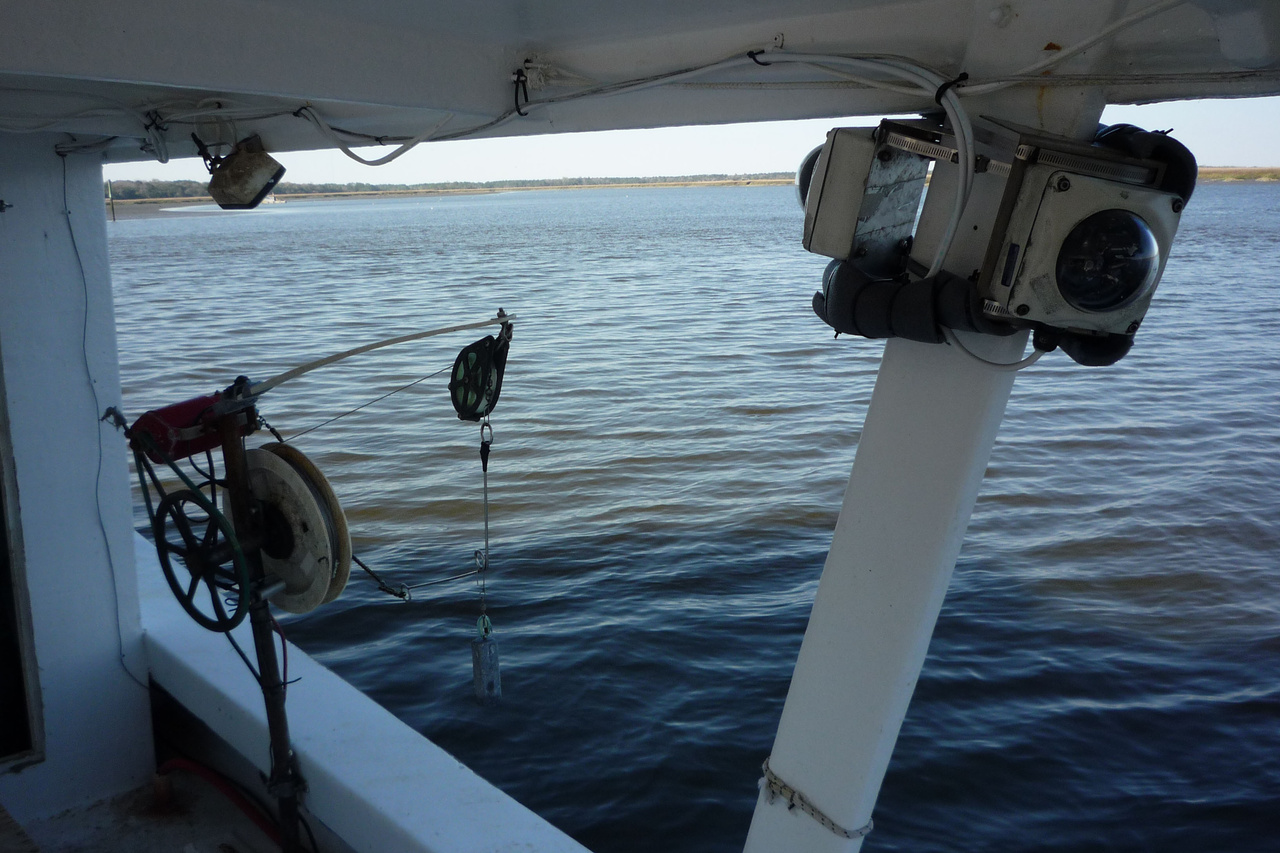
Electronic monitoring is, essentially, a sensor-and-data stack—cameras, gear sensors and software—that aims to make catch documentation more timely and verifiable. NOAA Fisheries describes EM as a way to collect fishing activity data that can be more timely, accurate, and cost-efficient than traditional approaches in some settings (NOAA Fisheries).
For coastal states trying to move from pledges to enforcement, EM also changes the economics of oversight: a portion of compliance can be digitised and audited, reducing the burden on limited patrol budgets. The trade-off is upfront investment in equipment, data storage, and clear rules over who can access footage and how it is used.
The bigger implication is for the emerging ‘blue finance’ market: lenders and bond investors increasingly want outcome-linked proof that conservation commitments are being met. That pushes governments and partners toward instrumentation—monitoring systems that can withstand scrutiny, not just press releases.
OceanVines exists to illuminate the inner sparks of every life we touch through our efforts in ocean conservation and education.
If tuna is the test case, it is because the value chain is global and the reputational downside is immediate. But the enabling infrastructure—transparent monitoring, trusted datasets, and credible auditing—will likely end up as the core asset that makes more ocean protection investable.
Together, we celebrate The Greatest Good.
#TheGreatestGood #OceanConservation #HumanityMatters #LIT #BlueBonds #Fisheries