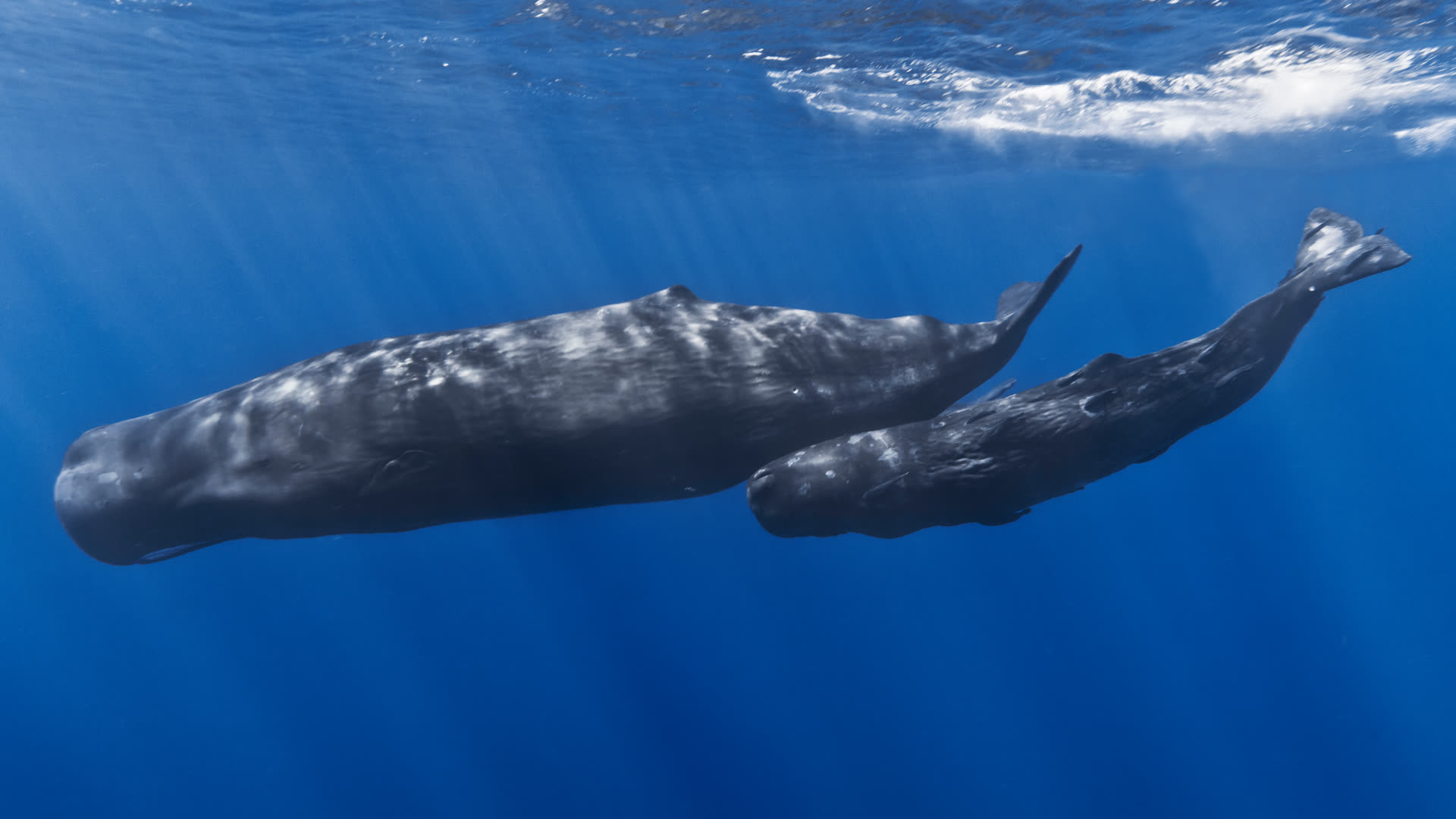
Two pieces of Caribbean ocean architecture clicked together this week. The UNESCO-IOC Sub-Commission for the Caribbean and Adjacent Regions (IOCARIBE) formally launched a Task Team on Deep-Sea Research and the BBNJ Agreement under its Capacity Development Working Group, while the Caribbean Cetacean Society (CCS) opened its three-month CALYPSO Project — the region's first integrated, basin-wide expedition for marine megafauna (University of Trinidad and Tobago).
Read together, the two announcements signal the operational phase of the High Seas Treaty (BBNJ) in the Caribbean: a regional intergovernmental body building governance, a regional NGO building the evidence base, and academic and yacht-philanthropy partners providing the platforms.
What CALYPSO does
The CALYPSO Project, led by Martinique-based CCS, is the first integrated, basin-wide scientific expedition for marine megafauna ever attempted across the Caribbean. It addresses critical knowledge gaps on whales, dolphins, sharks and seabirds using non-invasive, standardised methods: visual surveys, passive acoustic monitoring, baited remote underwater video, environmental DNA (eDNA) sampling, plus monitoring of vessel traffic and plastic pollution (UTT).
The pipeline matters: the resulting data is designed to support transboundary conservation, new marine protected areas (MPAs) and stronger regional ocean governance. Since January 2025, CCS has completed 16 scientific expeditions, including density-estimate work on Navidad Bank aboard the 57-metre motor-yacht Solace matched by Yachts for Science. Recent CCS publications have tripled known cetacean diversity in the northern Lesser Antilles, with more than 10 papers in development for 2026 (Nekton — Ocean Awards 2026 nominee profile).
Quotes from the partners
"UTT carries a responsibility not only to educate and train students, but also to contribute meaningfully to national development through applied research, innovation, policy support, capacity building, and partnerships that address emerging national and regional priorities." — Professor Rean Maharaj, Acting President, University of Trinidad and Tobago (UTT)
"A shared commitment to research, knowledge generation, environmental stewardship, regional collaboration, and the sustainable future of the Caribbean." — Professor Selwyn R. Cudjoe, O.R.T.T., Executive Chairman of the Board of Governors, University of Trinidad and Tobago, on the UTT–CCS MoU (UTT)
"It is possible that [Navidad Bank] where we are now is one of the biggest breeding grounds, with the highest density of whales in the North Atlantic." — Jeffrey Bernus, Director, Caribbean Cetacean Society, on prior CCS density work at Navidad Bank (Caribbean Cetacean Society)
Why IOCARIBE matters
The new IOCARIBE Task Team is the formal vehicle through which Caribbean states can absorb deep-sea and high-seas science under the BBNJ framework. Three research initiatives were discussed in launching the team: the CCS-led CALYPSO Project (megafauna and habitat connectivity), a Schmidt Ocean Institute 2026 expedition presented by Dr. Diva Amon that will study open-ocean, mesophotic and deep-sea ecosystems off Trinidad and Tobago using remotely operated vehicles, oceanographic instruments and biological sampling, and REV Ocean's regional engagement on scientific missions, education and outreach (UNESCO-IOC IOCARIBE).
The Schmidt deep-sea expedition's stated objectives — mapping uncharted seafloor, documenting species and habitats, characterising the water column, assessing ecological connectivity and identifying human pressures including marine debris, microplastics, fishing impacts, contaminants and climate change — read like a checklist for what BBNJ implementation actually requires.
OceanVines lens
For a Hong Kong charity, three takeaways. First, BBNJ is now a regional operational story, not a global policy abstraction. Caribbean nations are wiring up the science-to-governance pipeline a year ahead of where most regions sit. Second, citizen-science-grade methods (visual surveys, eDNA, acoustic monitoring) plus opportunistic platforms (yachts, research vessels of partner universities) are how small island nations stretch limited capital. Third, the Asia-Pacific equivalent — South China Sea, Coral Triangle, Western Pacific — has the same megafauna and governance gap, with no equivalent regional task team yet stood up.
That is what conservation infrastructure looks like at the operational layer: a regional intergovernmental body, an NGO field programme, an academic partner and a philanthropic platform aligned on a single evidence base.
This is aligned with OceanVines' mission: to illuminate the inner sparks of every life we touch through our efforts in ocean conservation and education.
Together, we celebrate The Greatest Good.