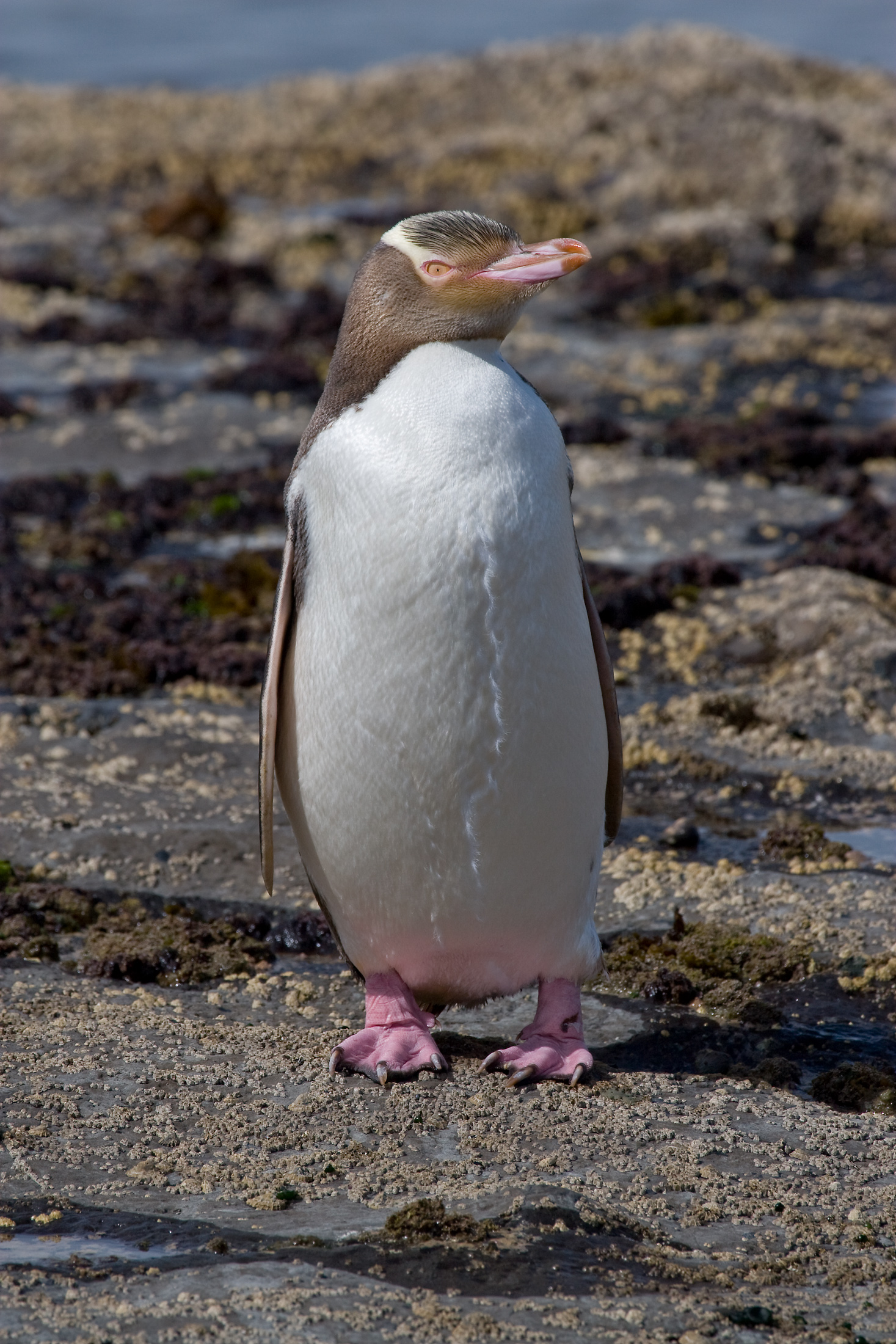
New Zealand's Conservation Minister Hon. Tama Potaka has confirmed that five new marine reserves off the Otago coast were gazetted on 28 May 2026 and will take effect on 1 July, lifting mainland Aotearoa's total marine-reserve coverage by almost 50 percent. The network, renamed Te Au Roa o Te Rakihouia, covers 308 square kilometres or roughly four percent of the Otago coastal marine area.
The package closes a process first initiated by ministers in 2014 and survives a legal challenge by the Otago Rock Lobster Industry Association, according to the Environmental Defence Society. A sixth proposed reserve, Te Umu Kōau, remains under boundary review.
What the package does
All five reserves are "no-take" zones — commercial and recreational fishing, dredging and extractive activity are prohibited. The Department of Conservation (DOC) lists the protected habitats as giant kelp forests, rocky reefs, estuarine and tidal lagoons, offshore canyons and deepwater lace-coral thickets along the South Island's south-eastern coastline. They serve as breeding and feeding grounds for yellow-eyed penguin (hoiho), New Zealand sea lion (rāpoka) and several albatross species.
"Protecting these areas gives marine ecosystems the opportunity to recover, strengthens resilience, and supports the long-term health of our oceans," Minister Potaka said. In a separate statement he added: "We have achieved this alongside our Treaty partners, Kāi Tahu, following more than a decade of work, discussion, and community commitment," according to the official release.
The governance shift
The structural news is the management model. For the first time on the South Island mainland, a marine-reserve network will be co-managed by DOC and Kāi Tahu under shared decision-making, drawing on both Western science and mātauranga Māori.
"This is new for marine reserve management in Te Waipounamu and Aotearoa," said DOC Operations Director Aaron Fleming. "Our partnership with Kāi Tahu means we'll share decision-making and a new team of DOC and Kāi Tahu rangers will carry out day-to-day management and monitoring of the marine reserves."
A team of nine specialised rangers, drawn from both entities, will handle daily monitoring and enforcement. Baseline ecological surveys are already underway to set the benchmark against which future change is measured.
Edward Ellison, upoko of Te Rūnanga o Ōtākou, described the network as an "outstanding result" rewarding three decades of local advocacy, per Oceanographic Magazine.
The species at stake
The hoiho is the rarest penguin in the world and is classified by the IUCN as Endangered, with surveys placing the mainland population in steep decline. Forest & Bird's Otago/Southland regional conservation manager Chelsea McGaw said the reserves arrive in time for a species "at severe risk of local extinction on the New Zealand mainland."
"Protecting the ocean isn't just about offshore areas — it's about protecting the full connected system, ki uta ki tai — from mountains to sea. That's critical for the species and ecosystems that depend on these places," McGaw said.
OceanVines lens
The investable read: Aotearoa is now the third Pacific-region jurisdiction in three weeks — after Papua New Guinea's 214,000 sq km Western Manus sanctuary and the U.S. seabed-mining lease pivot — to set a hard direction on ocean policy. Otago is small in area but large in precedent: a developed-economy Treaty partnership co-managing a no-take network with Indigenous rangers, gazetted through normal legal channels and surviving an industry court challenge.
For ocean literacy, Te Au Roa o Te Rakihouia is a teachable bridge between species, place and law. A penguin, a coastline, a 12-year process, a treaty-partner co-management board, and a hard 1 July start date.
This is aligned with OceanVines' mission: to illuminate the inner sparks of every life we touch through our efforts in ocean conservation and education.
Together, we celebrate The Greatest Good.