Offshore wind’s nature-positive test moves from pledge to metrics
October 28, 2026 · By John Ian Lau
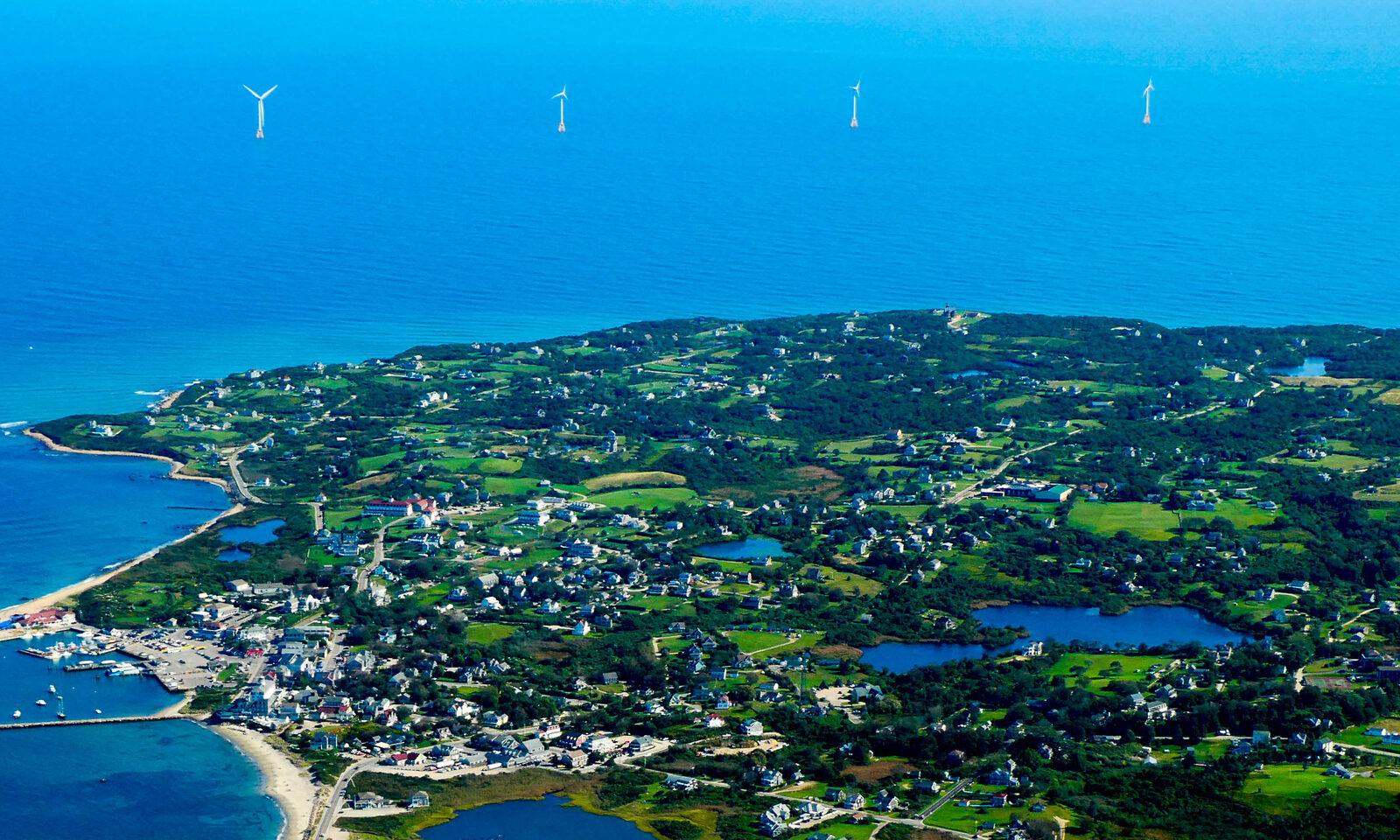
Offshore wind’s biodiversity case has a new test: evidence. The International Union for Conservation of Nature (IUCN), the Renewables Grid Initiative and Bluedot Associates launched a framework on Oct. 26 at the UN biodiversity conference in Yerevan, Armenia. The framework is designed to help projects measure both ecological losses and gains at a specific site. It does not declare turbines inherently beneficial; it offers a way to test whether a project’s nature claims can be supported by data. IUCN announced the launch on Oct. 27.
The framework organizes the work into five steps: Frame, Assess, Measure, Define and Deliver. Project teams first set the concepts and context, assess measurable loss and potential gain, select indicators, define the scope of their contribution, then establish how to implement it. Its accompanying tools are intended to help developers build a baseline, choose metrics and show how planned actions relate to observed ecological change. The framework’s guidance emphasizes site-level measurement and an ecologically appropriate scale, important distinctions in an environment where species, habitats and pressures cross project boundaries.
“We need a shared understanding of what credible contributions to nature look like in practice. This framework unites developers, policymakers, financiers and conservation organisations around a shared approach to credible, measurable biodiversity contributions from offshore wind, with lessons for other marine activities,” said Rachel Asante-Owusu, IUCN’s Senior Programme Coordinator for Energy Transition.
The distinction between a method and a result matters. An Ifremer-CNRS scientific assessment, commissioned by French ministries and published in June, screened more than 4,500 scientific publications and analyzed 411 in depth. It examined ten potential pressures, including underwater noise, habitat alteration, artificial reef effects and changes in fishing activity. While some impacts are documented, the assessment says long-term and large-scale effects remain poorly understood; many mitigation measures also have not yet been evaluated under real operating conditions.
That uncertainty leaves room for design improvements, but it also makes careful measurement essential. The Nature Conservancy, the Rich North Sea and the Native Oyster Restoration Alliance announced an April collaboration to develop a practical roadmap for adding native oyster spat to North Sea turbine foundations and cable crossings. The initiative aims to make reef restoration part of project design; it is not evidence that every turbine foundation will produce a lasting ecological gain. “Integrating oyster reef development into offshore wind infrastructure offers a unique opportunity to deliver biodiversity gains and strengthen marine ecosystem functioning at unprecedented scale,” said Boze Hancock, Senior Marine Scientist at The Nature Conservancy. He added that realizing the potential requires collaboration across regulators, researchers, conservation groups and industry. TNC’s announcement describes the planned work.
For developers and financiers, the framework raises practical questions that a slogan cannot answer: What was the ecological baseline before construction? Which habitats or species are priorities? Are claimed gains additional, durable and large enough to account for losses? And can monitoring separate a project’s effects from natural variability and other activity at sea? The answers will determine whether nature-positive commitments become an auditable part of permitting and investment decisions, or remain an aspiration in project materials.
Offshore wind can contribute to climate goals while its ecological footprint is measured honestly. That requires resisting the easy inference that new hard structure automatically means net benefit: a reef effect may help some species, while other pressures and cumulative impacts still demand attention. The framework’s value will be judged by the quality of the baselines, data and follow-through its users produce. At OceanVines, this work reflects our mission: to illuminate the inner sparks of every life we touch through our efforts in ocean conservation and education.
Together, we celebrate The Greatest Good