Crozet’s water samples put remote marine biodiversity on a new clock
October 25, 2026 · By John Ian Lau
On 23 October, UNESCO reported that scientists had begun collecting environmental DNA (eDNA) samples in the Crozet Archipelago, a remote district of the French Southern and Antarctic Lands. The sampling opens a second phase across seven TAAF sites, with four locations revisited from a 2022 pilot. The significance is less a single species list than the chance to compare repeated readings from the same waters over time.
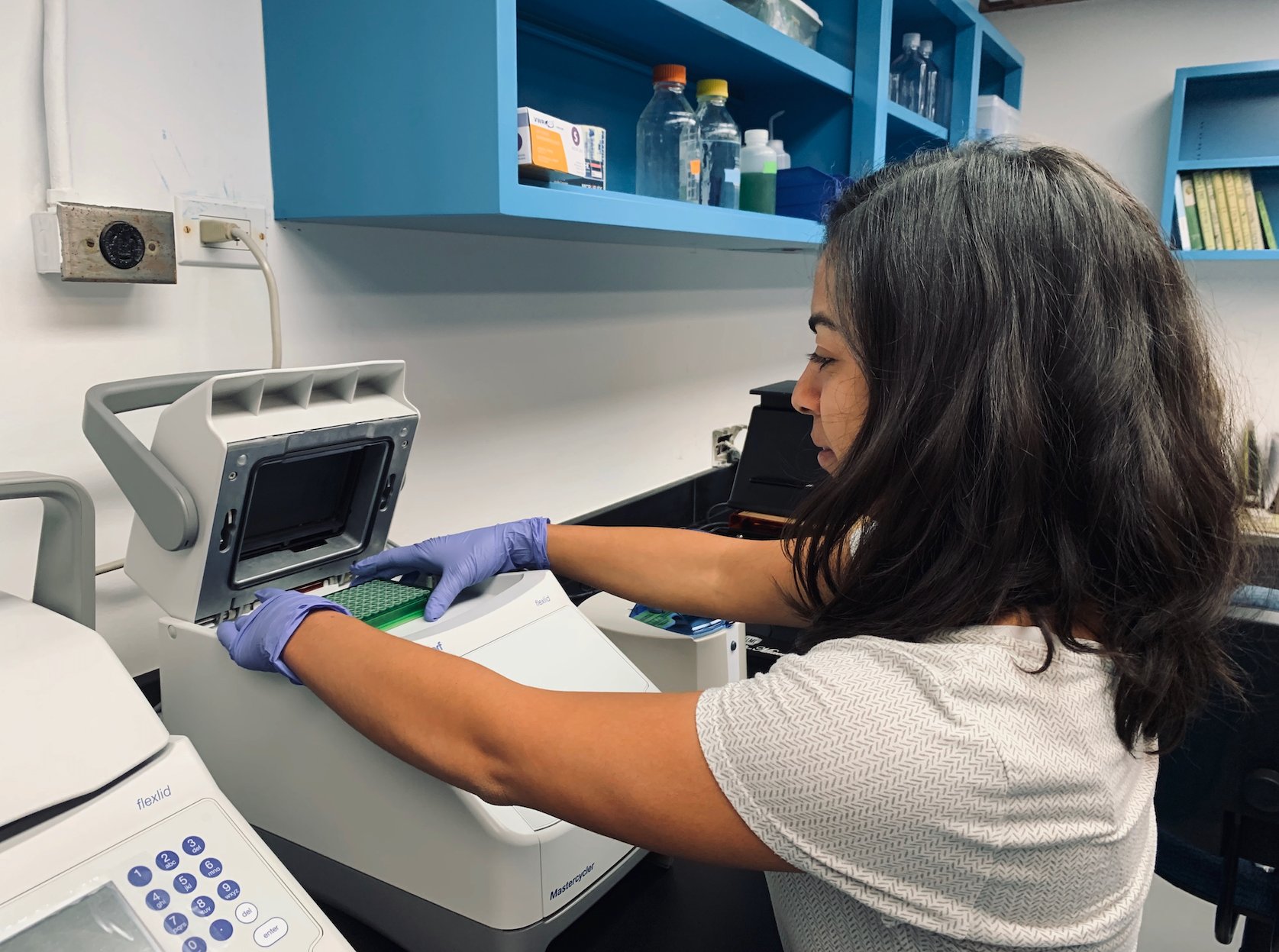
Distance is part of the story. UNESCO says supply ships reach these far-flung islands only about three times a year, while harsh weather limits permanent human presence. To collect eDNA, a field team filters seawater to capture genetic material shed by organisms through skin cells, mucus and waste; a laboratory then sequences that material and compares results against reference libraries, a process set out in the IOC-UNESCO Phase II methodology. This non-invasive approach can detect signals from organisms that divers or nets may miss, including species that are difficult to observe directly.
In the 2022 TAAF pilot, four sites produced detections for 181 species and 418 taxa. UNESCO explains that the taxa number exceeds the species count because some signals could be grouped but not confidently identified to species. Repeating sampling at those four locations within the seven-site programme gives researchers a benchmark against which to track new arrivals, disappearances or changes in species composition. It is not a continuous census, but a baseline can reduce the blind spots between expensive expeditions.
The Crozet work sits within the IOC-UNESCO eDNA Expeditions programme for 2026 to 2028, which targets more than 3,000 samples across 25 marine sites. By repeating measurements across places and years, the programme aims to build a comparable record of marine biodiversity. IOC Executive Secretary Vidar Helgesen said, “With eDNA Expeditions, we are building a new cooperation model where cutting-edge technology, capacity development, and global expertise empower local actors to decide and act for their environment.”
For remote site teams, a serial record could help identify distribution shifts or arrivals that a one-time survey would miss. UNESCO describes eDNA as especially useful where access is limited and as a complement to traditional monitoring. A positive detection, however, does not automatically reveal how many animals were present, their size or age, or their precise location when the water was sampled.
NOAA Fisheries and the University of Alaska Fairbanks have tested a more quantitative use in laboratory tanks, distinguishing related cod and pollock species and estimating biomass proportions from water samples. “We’ve moved the dial in the use of eDNA beyond just being able to provide a measure of presence and absence of species to providing meaningful data to estimate abundance and better reflect underlying community composition in real-world environments,” said NOAA research biologist Kimberly Ledger. NOAA cautioned that the method does not replace trawl surveys or observer data, which remain important for measuring fish size, age, sex, maturity and diet.
That distinction matters for how a place like Crozet can use the data. The near-term advantage is a scalable signal of biodiversity change that can help direct costly ship days and follow-up surveys toward emerging patterns; the risk is treating DNA detections as a complete census before reference libraries and field protocols support that inference. For managers and researchers, the productive model is a layered one: repeated eDNA filters alongside visual, acoustic and oceanographic evidence. More observations become useful when they remain comparable.
Our mission is to illuminate the inner sparks of every life we touch through our efforts in ocean conservation and education.
Together, we celebrate The Greatest Good