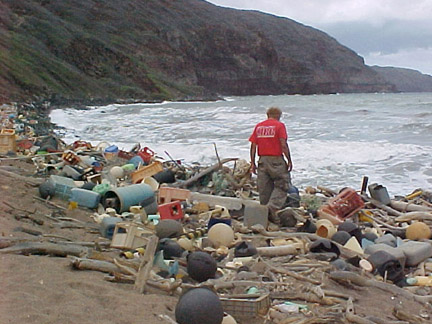
Microplastics have become the cost centre of the ocean plastics crisis: too small to clean up at scale, too ubiquitous to ignore, and increasingly treated by regulators as a data problem before it becomes a liability problem.
NOAA defines microplastics as plastic pieces or fibres smaller than 5 millimetres—about a pencil eraser or less—and notes they have been found throughout the ocean, from tropical waters to polar ice, as well as in fresh water and the air people breathe (NOAA Marine Debris Program).
The problem is not just that microplastics are everywhere; it is that they are hard to count consistently. NOAA’s National Centers for Environmental Information (NCEI) says its global marine microplastics data collection is intended to create a repository where microplastics data are ‘aggregated, archived, and served in a user friendly, consistent, and reliable manner’ (NOAA NCEI).
That measurement gap is increasingly colliding with diplomacy. Inger Andersen, Executive Director of the UN Environment Programme (UNEP), said during UN-led treaty negotiations in Geneva in 2025 that ‘The world wants and indeed needs a plastic conventional treaty because the crisis is getting out of hand – and people are frankly outraged’ (UN News).
In the same UN News report, Andersen added: ‘We know that plastic is in our nature, in our oceans, and yes, even in our bodies’ (UN News).
When talks adjourned without agreement days later, Andersen said: ‘While we did not land the treaty text we hoped for, we at UNEP will continue the work against plastic pollution – pollution that is in our groundwater, in our soil, in our rivers, in our oceans and yes, in our bodies’ (UN News).
For investors and philanthropies, those quotes read like a signal that the regulatory perimeter will widen from beach litter to the full life-cycle of plastics—including the particles that slip past conventional waste systems. NOAA’s microplastics explainer lists major sources that are difficult to regulate through traditional cleanup: tyre wear particles, microfibres shed from synthetic clothing, and pellets used as feedstock in manufacturing (NOAA Marine Debris Program).
What this means in practice is more spending on monitoring, not just removal. NOAA notes microplastics can attract and carry pollutants in the water and can release chemicals added to plastics, while laboratory studies have shown impacts on animals including delayed development and reproductive problems (NOAA Marine Debris Program). The consequence is a demand for better detection methods and shared baselines, particularly in regions where coastal livelihoods depend on tourism and fisheries.
OceanVines exists to illuminate the inner sparks of every life we touch through our efforts in ocean conservation and education.
In a market that increasingly prices environmental externalities, microplastics are the part of the plastics story that turns an abstract ‘pollution problem’ into an auditable dataset—and, eventually, a compliance line-item.
Together, we celebrate The Greatest Good.
#TheGreatestGood #OceanConservation #HumanityMatters #LIT #Microplastics #OceanPlastic