The fastest way to misread ocean protection is to treat it as a number on a map. In the past week, NOAA published details of an executive proclamation that restores commercial fishing access in parts of three U.S. Pacific marine national monuments — a reminder that “protected” status can be as political as it is ecological.
In a June 12 media release, NOAA Fisheries said President Donald Trump signed an executive proclamation on June 11 reopening “additional prized fishing grounds” within the Islands Unit of the Mariana Trench Marine National Monument; the Mau Zone and Ho‘omalu Zone (and areas seaward of 50 nautical miles) in Papahānaumokuākea Marine National Monument; and waters between 12 and 50 nautical miles around Rose Atoll Marine National Monument (NOAA Fisheries).
The reopening lands amid an era when governments are simultaneously expanding protections elsewhere. At the Third UN Ocean Conference in Nice, UN Secretary-General of the summit Li Junhua framed the meeting as a pivot from rhetoric to execution: “We close this historic week not just with hope, but with concrete commitment, clear direction, and undeniable momentum,” he said (United Nations). The Nice outcome, the UN said, combined a political declaration with “over 800 voluntary commitments” on issues spanning marine protection and pollution (United Nations).
What NOAA says changes — and why it matters
NOAA’s release positions the move as an economic and food-supply issue. Commerce Secretary Howard Lutnick said the proclamation “is once again delivering for American fishermen” and would create “new economic opportunity for coastal communities” (NOAA Fisheries). NOAA Administrator Neil Jacobs said restoring access “reflects the continued commitment of this Administration to American fisheries” and argued the action would lead to “more U.S.-caught fish on American tables” (NOAA Fisheries).
But the conservation relevance is larger than the U.S. Pacific. The world’s ocean-protection target is now measured not just in square kilometres but in credibility — whether an area can withstand political turnover long enough for ecosystems to recover.
That credibility question is exactly why international frameworks have been leaning harder on implementation capacity. A post-conference summary by UNEP’s World Conservation Monitoring Centre notes that the Nice Action Plan combined a declaration with “over 500 voluntary commitments,” and highlighted large-scale MPA pledges including French Polynesia’s plan to cover almost five million square kilometres of exclusive economic zone, including 1.1 million square kilometres designated as highly or fully protected (UNEP-WCMC).
Paper protection versus lived protection
In practice, the new fishing access in U.S. monuments raises a question investors, insurers, and coastal communities increasingly ask in the same breath: what is the durability of conservation policy?
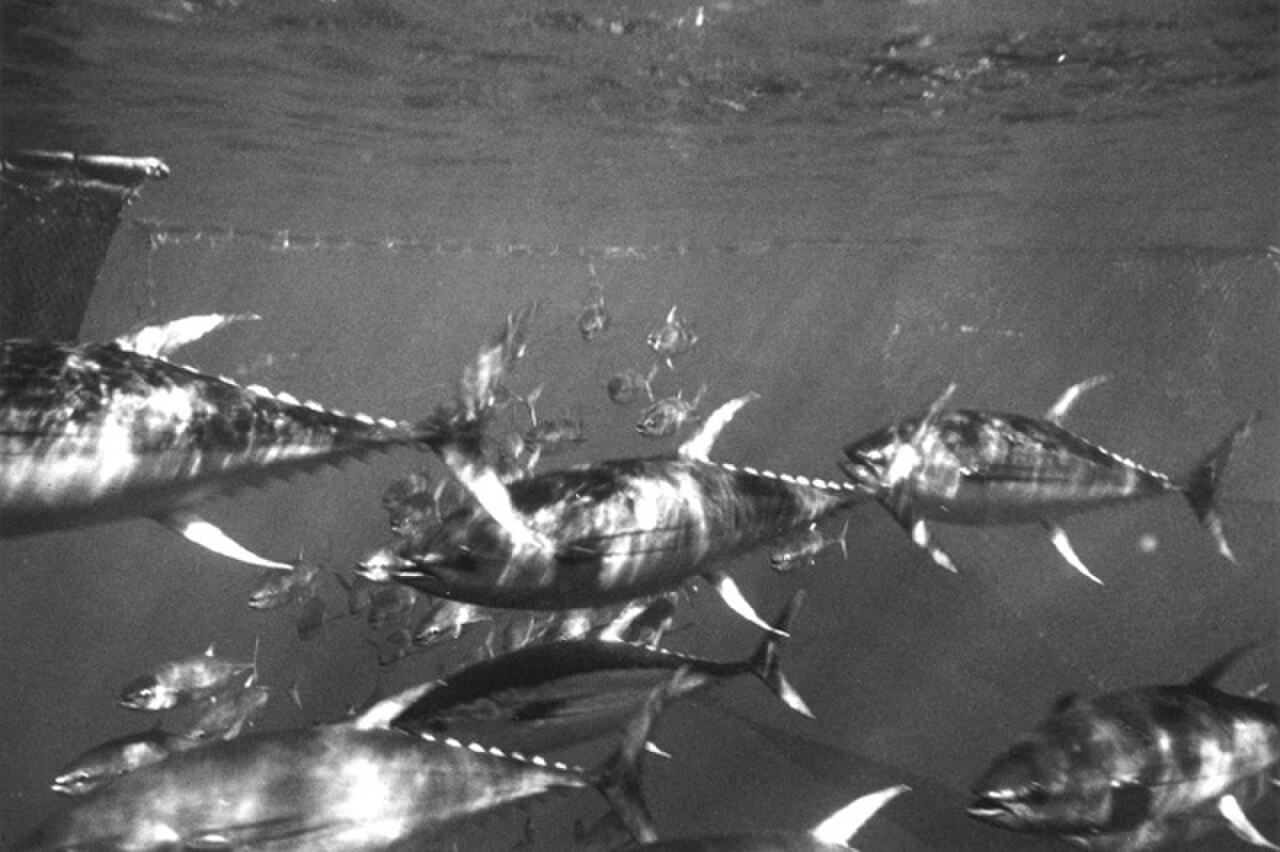
There is no single answer. Some protections are treaty-backed; others are executive. Some are enforced by patrol boats and satellite monitoring; others rely on voluntary compliance. Even when laws hold, budgets can thin out, shifting the real-world risk back onto reefs, tuna schools, and the people who depend on them.
OceanVines exists “to illuminate the inner sparks of every life we touch through our efforts in ocean conservation and education.” Today’s policy swings underline why education matters: if the public does not understand what protected areas are for — and how easily they can be weakened — protection becomes a label rather than a safeguard.
For Asia’s blue economy, the Pacific monument debate is not a distant U.S. story. It is a stress test of how conservation claims translate into long-term rules — the kind of predictability that sustainable fisheries, coastal finance, and marine tourism all require.
At the UN conference in Nice, Li Junhua said, “It is now our collective responsibility to propel them forward – for our people, our planet, and future generations.” (United Nations) The next test is whether those waves of commitments can hold their shape when politics changes wind direction.
Together, we celebrate The Greatest Good.