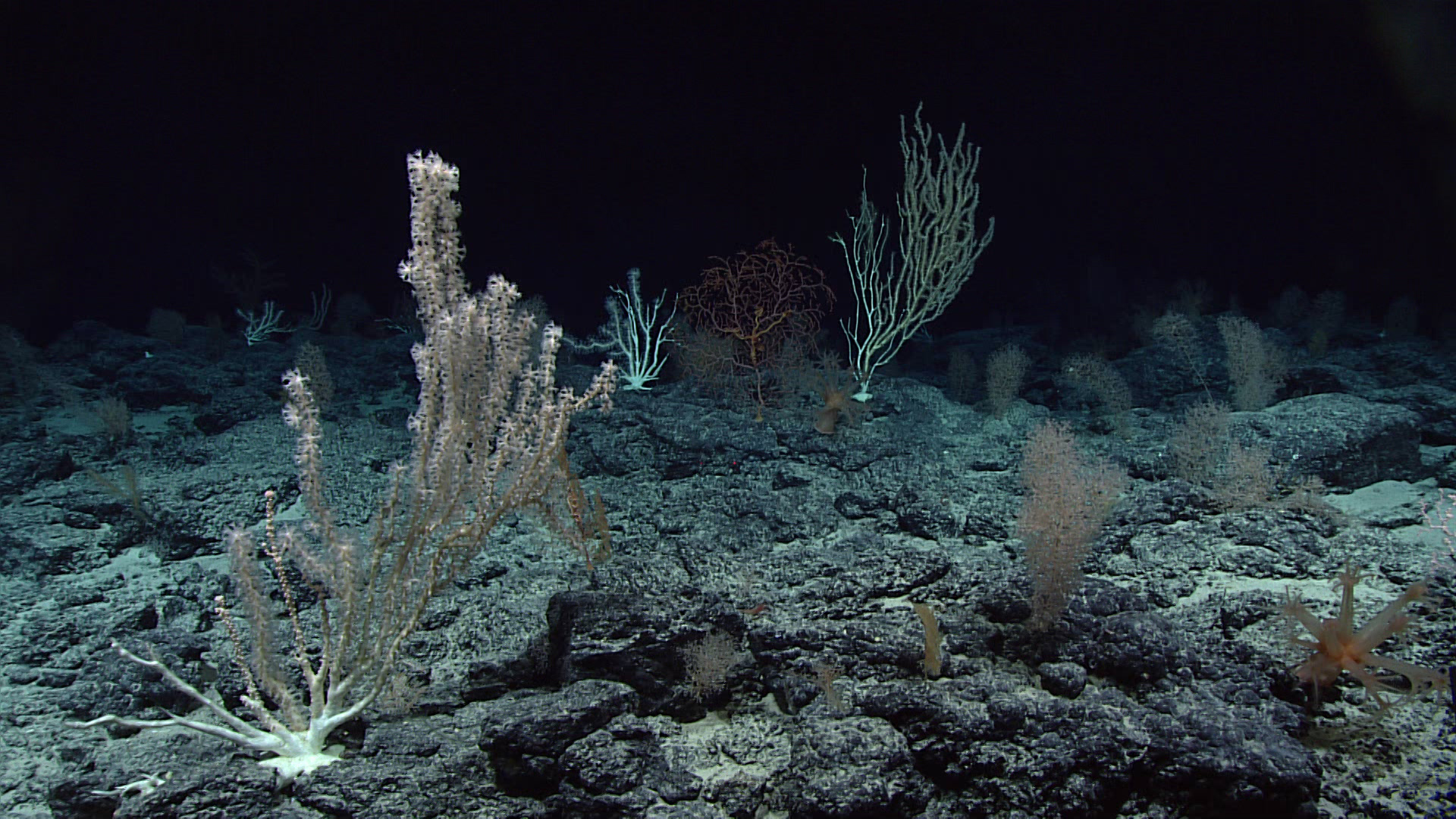
Ocean Census, the global alliance to accelerate the discovery of marine life, said its scientists have identified 1,121 previously unknown marine species in a single year — a 54% jump in annual identification and a quiet repricing of how fast discovery can be converted into the evidence base for ocean policy (Ocean Census).
The figure covers the discovery period from 1 April 2025 to 31 March 2026 and draws on 13 expeditions and nine species discovery workshops conducted by more than 1,400 contributing taxonomists and scientists from over 660 institutions across 85 countries, the alliance said (Ocean Census).
What was found, and where
Discoveries came from depths down to 6,575 metres, spanning polar to tropical seas. The alliance — convened by The Nippon Foundation and Nekton — frames its programme as a workflow problem as much as a scientific one: shorten the gap between collection at sea and a validated species description in the literature, then make the underlying data open (Ocean Census).
"With many species at risk of disappearing before they are even documented, we are in a race against time to understand and protect ocean life. For too long, thousands of species have remained in a scientific 'limbo' because the pace of discovery couldn't keep up. We are now breaking that bottleneck." — Dr. Michelle Taylor, Head of Science, Ocean Census (Ocean Census)
The capital case for biodiversity
The numbers matter to funders. Ocean Census set a $100 million catalytic capital goal at launch in 2023; the alliance said pledges and contributions to date exceed $75 million, with The Nippon Foundation as anchor partner alongside a roster of philanthropic and scientific backers (Ocean Census).
"We spend billions searching for life on Mars or going to the dark side of the moon. Discovering the majority of life on our own planet — in our own ocean — costs a fraction of that. The question is not whether we can afford to do this. It is whether we can afford not to." — Oliver Steeds, Director, Ocean Census (Ocean Census)
Why the UN Decade is watching
The UN General Assembly in 2017 proclaimed the UN Decade of Ocean Science for Sustainable Development (2021–2030), tasking UNESCO's Intergovernmental Oceanographic Commission with coordinating an effort to "stimulate ocean science and knowledge generation to reverse the decline of the ocean system" (UNESCO).
Against that backdrop, the Census's pipeline — sample to species description to open data — is one of the few instruments turning Decade ambition into countable output. It is also a useful baseline for marine protected area (MPA) planning: regulators cannot prioritise the protection of species that have not yet been described.
Platforms doing the heavy lifting
The discoveries lean on a generation of research vessels and remotely operated systems. OceanX, which operates the research and media vessel OceanXplorer, describes its mission model as combining "science, technology and collaboration to deepen understanding of the ocean and drive solutions for its protection and sustainable use," with educational programmes that connect expeditions to local communities through ship tours and hands-on learning (OceanX).
That coupling — vessels plus storytelling — is what converts a taxonomic milestone into something the public, regulators and funders can act on.
From the Nippon Foundation
"This year, Ocean Census has shown what is possible when scientific ambition is matched by global collaboration at scale. Through expeditions reaching polar depths to tropical seas, and the science to turn samples into discoveries, this team is revealing the extraordinary richness of ocean life." — Mitsuyuki Unno, Executive Director, The Nippon Foundation (Ocean Census)
OceanVines lens
The investable read: for the cost of a mid-sized public-equity research desk, a global alliance has expanded the catalogued universe of marine life by more than a thousand species in a year. That is leverage. Each described species sharpens the assumptions inside conservation plans, MPA designations and risk models for ocean-linked balance sheets — from insurance to seafood to coastal infrastructure.
It also frames OceanVines' own posture toward stewardship. Discovery without literacy is a museum exhibit; literacy without discovery is a slogan. Pairing the two is how a small Hong Kong charity earns the right to speak on the blue economy.
This is aligned with OceanVines' mission: to illuminate the inner sparks of every life we touch through our efforts in ocean conservation and education.
Together, we celebrate The Greatest Good.