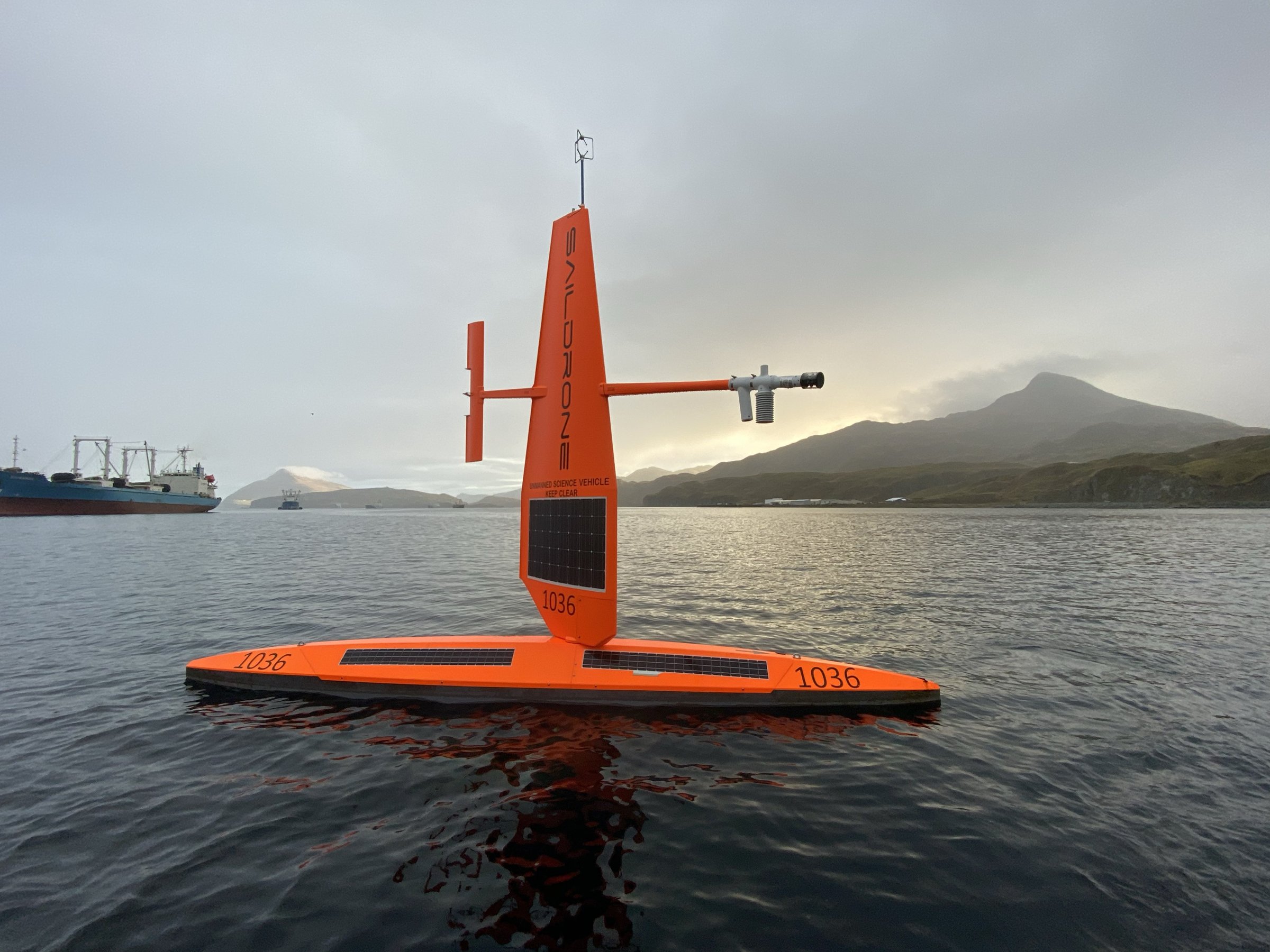
The Nature Conservancy and venture platform Newlab say they will start three pilots in June that use autonomous patrol boats, AI-assisted acoustic listening and fisheries analytics to tighten enforcement in and around marine protected areas — a test of whether technology can lower the cost of stewardship in one of the world’s most resource-stretched ocean regions (The Nature Conservancy).
In a May 20 announcement, the organisations said the selected pilots include Havoc’s autonomous surface vessels (U.S.), blueOASIS’ solar-powered acoustic stations (Portugal) and Blurgs.AI’s training-and-analytics library for electronic monitoring data (India) (The Nature Conservancy).
Where the pilots will run
TNC and Newlab said two systems — Havoc and blueOASIS — will be deployed across Indonesia’s Savu Sea, while the Blurgs.AI pilot will draw on electronic monitoring data from industrial fishing fleets operating across the Pacific (The Nature Conservancy).
The economics of monitoring
TNC framed the effort as a response to a protection gap: in its words, monitoring vast stretches of coastline remains “costly” and “labor-intensive,” leaving marine protected areas under-enforced (The Nature Conservancy).
“At The Nature Conservancy, we bring together trusted science, deep partnerships and a truly global reach to protect our oceans, and we know that we cannot achieve the transformation needed by incremental measures alone.” — Jennifer Morris, Chief Executive Officer, The Nature Conservancy (TNC announcement)
Morris argued that addressing overfishing and habitat destruction means fixing inadequate data and outdated monitoring systems — a nod to the operational reality that many protected areas exist on paper but lack persistent observation at sea (The Nature Conservancy).
From concept to deployment
“Through our work with TNC, we are bringing together entrepreneurs, governments and local stakeholders to accelerate the path from concept to deployment.” — Garrett Winther, Chief Product Officer, Newlab (TNC announcement)
The pilots will launch in June 2026 in collaboration with Yayasan Konservasi Alam Nusantara (YKAN), a longstanding partner of TNC in Indonesia, the release said (The Nature Conservancy).
What “uncrewed” actually means
In practice, the challenge is not merely deploying sensors; it is turning detections into decisions that stand up in court and fit within local governance. NOAA’s Ocean Exploration program defines uncrewed surface vessels (USVs) as boats without a human aboard that can be remotely controlled or run pre-planned missions with minimal real-time input, and cautions that “no USV is fully autonomous” (NOAA Ocean Exploration).
Ocean governance heads to Tokyo
The pilots land as island states and partners prepare to meet in Tokyo on June 3–4 for the “Island States Ocean Summit: Sustainable Ocean Action for Resilient Islands,” listed under the UN Ocean Decade’s events calendar (Ocean Decade).
A summit announcement said the event is hosted by The Nippon Foundation with Japan’s Ministry of Foreign Affairs and the Intergovernmental Oceanographic Commission of UNESCO, and is intended to advance “Sustainable Ocean Planning and Management” (ACN Newswire).
OceanVines lens
The investable question is whether monitoring economics can bend: whether a mix of autonomous surface platforms, passive acoustics and faster analytics can reduce the marginal cost of detecting illegal activity and verifying compliance — allowing the same budgets to protect more ocean, more consistently.
This is aligned with OceanVines’ mission: to illuminate the inner sparks of every life we touch through our efforts in ocean conservation and education.
Together, we celebrate The Greatest Good.